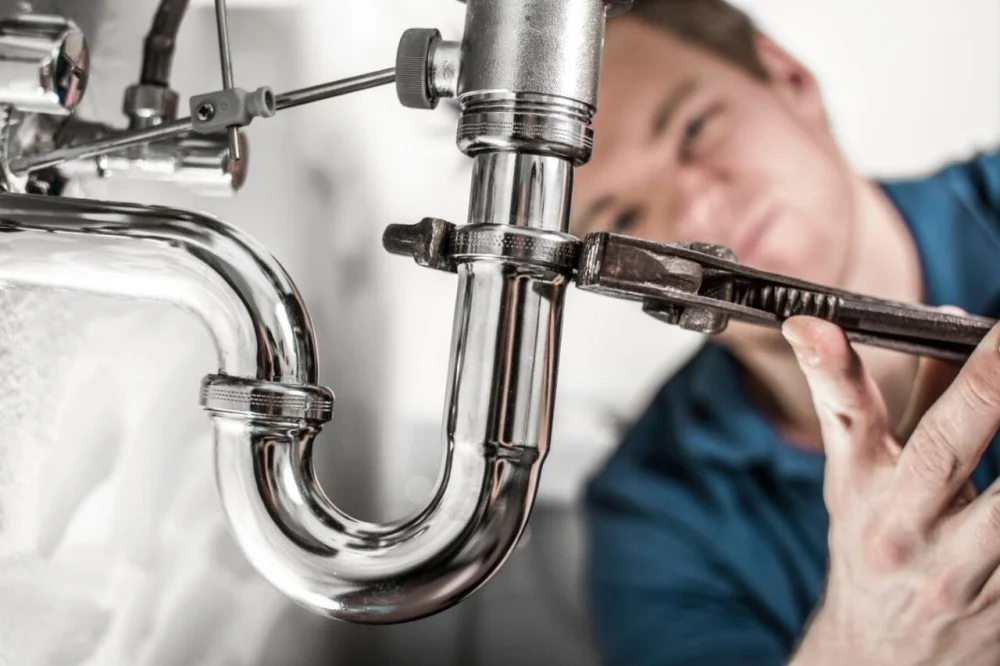
Plumbing Tips | DIY Repairs, Maintenance & Local Advice – PlumberNear
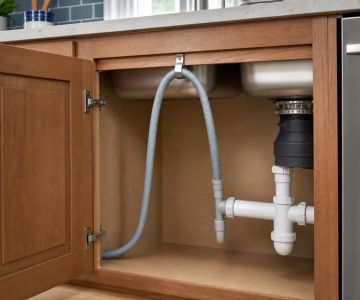
Why Is My Washing Machine Drain Backing Up? Causes and FixesLearn why your washing machine drain is backing up, what causes it, and how to fix it safely. A practical guide to washer drainage problems, clogs, and plumbing solutions.
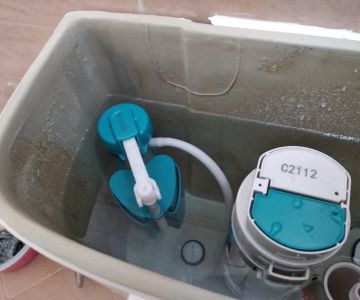
How to Replace a Broken Toilet Fill Valve Step-by-Step GuideLearn how to replace a broken toilet fill valve step by step. This DIY guide explains tools, troubleshooting, and repair methods to fix toilet tank issues safely and efficiently.How to Replace a Broken Toilet Fill Valve Step-by-Step Guidediagnosis-basics-step-by-step-reasoning-for-toilet-fill-valve-failuretools-preparation-what-you-need-before-starting-repairremoval-process-how-to-safely-take-out-old-fill-valveinstallation-guide-how-to-install-new-toilet-fill-valve-correctlytesting-adjustment-how-to-ensure-proper-water-flow-and-functionUnderstanding Why Toilet Tanks Stop Filling ProperlyA toilet that suddenly stops filling correctly can feel like a small household crisis. In many American homes, the root cause is often a broken or worn-out fill valve. When learning how to replace a broken toilet fill valve, it helps to first understand what actually goes wrong inside the tank. The fill valve controls the water entering the tank after every flush, and once it starts failing, symptoms appear quickly—slow refill, constant running water, or even no refill at all.One real example comes from a homeowner in Texas who noticed their toilet taking nearly ten minutes to refill. At first, they assumed it was low water pressure in the area, but after inspection, the fill valve diaphragm was clogged with mineral buildup. This is a common issue in regions with hard water, especially in older plumbing systems.Preparing for a Safe and Efficient DIY RepairBefore starting any repair work, preparation is the difference between a smooth fix and a messy bathroom situation. The most important step in understanding how to replace a broken toilet fill valve is gathering the right tools and making sure the water supply is fully shut off.Typical tools include an adjustable wrench, a sponge or towel for water cleanup, and a replacement fill valve compatible with your toilet model. Some modern fill valves come with universal fittings, which make installation easier for beginners.In a real household scenario, a renter in California attempted a quick fix without turning off the water completely. The result was a small overflow inside the tank. While it wasn’t damaging, it highlights why careful preparation matters more than speed.For homeowners who prefer guided solutions or want reliable plumbing parts, checking resources like Reliable Damage Hub can help connect you with suitable repair tools and professional-grade replacement components.Shutting Off Water and Emptying the Toilet Tank ProperlyThe first physical step in how to replace a broken toilet fill valve is turning off the water supply valve located behind or near the toilet base. Once the water is shut off, flushing the toilet removes most of the remaining water in the tank.Any leftover water should be removed using a sponge or small cup. This step is often overlooked, but leaving water inside the tank can make the replacement process uncomfortable and less precise.A plumbing technician once shared that nearly 40% of DIY mistakes happen because people rush through draining the tank. Taking a few extra minutes here ensures a cleaner and safer installation process later.Removing the Old Fill Valve Without Damaging the TankOnce the tank is empty, the next step is disconnecting the old fill valve. This involves unscrewing the water supply line and loosening the locking nut beneath the tank. Carefully lifting the old valve out prevents cracks or damage to the ceramic surface.When working on older toilets, especially those over 15 years old, parts may be corroded or stuck. In such cases, gentle pressure combined with steady rotation usually works better than force.A homeowner in Florida shared a case where excessive force cracked a plastic connector, turning a simple replacement into a full tank hardware replacement. This reinforces the importance of patience during removal.Installing the New Fill Valve for Reliable Water FlowThe installation process is the core of how to replace a broken toilet fill valve correctly. The new valve should be adjusted to match the height of the existing overflow tube inside the tank. Most modern valves are adjustable, allowing customization for different toilet models.Once positioned, the locking nut should be tightened just enough to secure the valve without over-compressing the rubber gasket. Over-tightening can cause leaks later, which is a common beginner mistake.After securing the valve, reconnect the water supply line carefully. Ensuring all connections are snug but not overly forced helps maintain long-term durability.For homeowners looking to upgrade rather than just repair, modern fill valves offer quieter refill systems and water-saving features, which can reduce monthly utility bills over time.Testing the System and Making Final AdjustmentsOnce installation is complete, slowly turn the water supply back on. Watch the tank fill cycle carefully to ensure smooth operation. The float level may need slight adjustment depending on the toilet model and desired water level.If the toilet continues running after filling, it usually indicates that the float is set too high or the valve is not seated properly. Minor adjustments usually solve the issue within minutes.A case from a property manager in New York showed that simple float calibration reduced tenant complaints about running toilets by nearly 80%. Small adjustments often make a big difference in long-term performance.When Professional Help Might Still Be the Better OptionAlthough learning how to replace a broken toilet fill valve is a manageable DIY task, there are situations where professional assistance is more practical. Severe corrosion, multiple simultaneous tank issues, or recurring leaks may indicate deeper plumbing problems.In such cases, combining DIY knowledge with expert support ensures long-term reliability. Even experienced homeowners occasionally rely on specialists for complex plumbing configurations.If you are considering upgrading your bathroom plumbing system or replacing multiple components, exploring trusted resources like Reliable Damage Hub can help you find suitable solutions and maintenance options tailored to your home.Building Confidence in Basic Toilet RepairsUnderstanding toilet repair builds long-term confidence in household maintenance. Once you know how to replace a broken toilet fill valve, similar repairs like flapper replacement or handle adjustments become much easier to handle.Many homeowners find that after completing their first successful repair, they begin approaching other maintenance tasks with less hesitation. It’s not just about fixing a toilet—it’s about gaining control over everyday home systems and reducing unnecessary service costs.
What Causes Hot Water to Smell Bad? Understanding the Real Reasons Behind ItDiscover what causes hot water to smell bad, including bacteria buildup, sulfur reactions, and plumbing issues. Learn real solutions, case stories, and prevention tips for cleaner water.
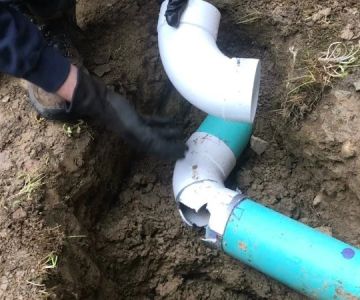
What Is the Cost to Replace Main Drain Line? Homeowner GuideLearn what affects the cost to replace a main drain line, including materials, labor, and damage level. A practical homeowner guide with real examples and expert insights.
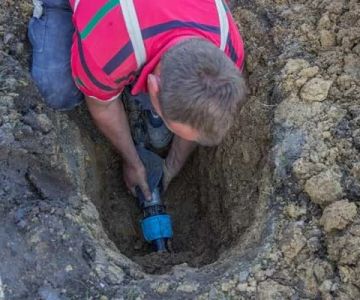
How to Fix a Leaking Outdoor Water Line: Step-by-Step Repair GuideLearn how to fix a leaking outdoor water line with practical step-by-step methods, real homeowner stories, and expert repair insights. Discover how to detect leaks, repair underground pipes, and prevent costly outdoor water damage.
How to Install a New Bathroom Shower Valve – Step-by-Step GuideLearn how to install a new bathroom shower valve with a clear step-by-step guide, real-life tips, and professional insights for safe and effective plumbing upgrades.
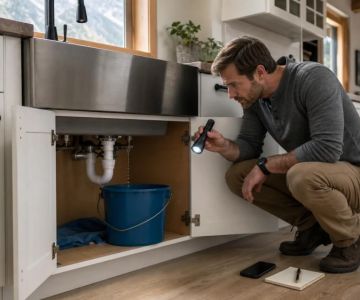
Best DIY Methods to Unclog a Kitchen Sink with Standing Water That Actually WorkLearn the best DIY methods to unclog a kitchen sink with standing water using safe, effective home techniques. Practical tips, real examples, and step-by-step solutions included.Best DIY Methods to Unclog a Kitchen Sink with Standing Water That Actually WorkSimple Ways to Fix a Stubborn Kitchen Sink Backup Without Panic Understanding the Problem - Why standing water forms in kitchen sinks and what it usually means Safe First Response - What to do immediately when water stops draining Natural DIY Methods - Simple household solutions that often restore flow Mechanical Clearing - Using basic tools to break or remove clogs Preventing Future Clogs - Long-term habits to avoid repeating the issue Real-Life Scenario - A common household case and how it was resolvedWhy a Kitchen Sink Suddenly Fills With Standing WaterA kitchen sink that refuses to drain is usually not a random failure. In most American homes, the issue develops slowly as grease, soap residue, and food particles accumulate inside the pipe walls. Over time, this buildup narrows the passage until water has nowhere to go.One of the most overlooked causes is how modern cooking habits affect drainage systems. Oils from frying pans, even when rinsed with hot water, cool down inside the pipes and harden. When combined with coffee grounds, rice, or vegetable scraps, the result is a compact blockage that traps water above it.In apartment settings, this problem can become even more frustrating because shared plumbing lines may contribute to recurring backups. In such cases, identifying whether the issue is local or system-wide becomes essential before attempting repairs.What to Do First When Water Starts Backing UpWhen standing water appears, the first instinct is often to run more water or continue using the sink. That usually makes things worse. The safer approach is to stop all water use immediately and assess the situation calmly.Start by removing visible debris from the sink basin. If water is still draining slowly, avoid adding chemicals right away. Instead, observe whether the water level changes over 10–15 minutes. This helps determine whether the clog is partial or complete.A common household story involves a family in Chicago who ignored early slow drainage for weeks. Eventually, their sink overflowed during dinner prep, turning a minor blockage into a messy kitchen cleanup. Early response could have prevented the escalation.Best DIY Methods to Unclog a Kitchen Sink With Standing WaterThere are several reliable home techniques that often restore flow without professional tools. These methods are especially useful for mild to moderate blockages.Hot Water Flush TechniqueBoiling water is one of the simplest solutions. Carefully pour it in stages, allowing heat to soften grease buildup. This method works best when the clog is primarily fat-based rather than solid debris.Baking Soda and Vinegar ReactionA combination of baking soda followed by vinegar creates a bubbling reaction that helps loosen residue. After letting it sit for 20–30 minutes, flushing with hot water can clear partially blocked pipes.Dish Soap and Warm Water MethodDish soap is surprisingly effective because it breaks down grease. When combined with warm water pressure, it can help move soft clogs further down the line.Many homeowners find that rotating between these natural methods over a short period can gradually restore drainage without harsh chemicals that might damage older plumbing systems.Using Simple Tools to Remove Stubborn BlockagesWhen natural methods fail, mechanical tools become necessary. A basic sink plunger is often the first line of defense. The key is ensuring enough water coverage to create suction pressure.If plunging does not work, a drain snake or hand auger can physically break apart or retrieve deeper clogs. This is especially useful when food debris has compacted far down the pipe.In one real case from a suburban household in Texas, repeated clogs were traced to a lost utensil fragment stuck in the P-trap. Once removed, drainage returned to normal immediately. This highlights how physical obstructions sometimes require direct extraction.Long-Term Habits That Keep Kitchen Drains FlowingPrevention is often more effective than repair. Small habits can significantly reduce the chances of future sink blockages.Avoid pouring cooking oil directly into the sink, even with hot water. Instead, dispose of grease in a sealed container. Installing a simple mesh drain catcher can also prevent food particles from entering the pipes.Routine maintenance using hot water flushes once or twice a week helps keep buildup under control. These small steps often eliminate the need for emergency unclogging in the future.Homeowners looking for reliable plumbing tools and maintenance solutions can explore Reliable Damage Hub, where practical equipment and home repair resources are available to support long-term plumbing care.A Real Household Situation and How It Was ResolvedA young couple in a rental apartment noticed their kitchen sink draining slower each week. At first, they ignored it, assuming it was temporary. Eventually, water began pooling during dishwashing, creating daily inconvenience.They first tried boiling water and baking soda without success. After consulting basic plumbing guidance, they used a simple drain snake and discovered a thick grease-and-food blockage. Once cleared, they adopted regular maintenance habits and never faced the issue again.This kind of situation is extremely common, especially in busy households where cooking is frequent and sink maintenance is overlooked. Understanding early warning signs can prevent costly repairs later.Final Practical Insight for HomeownersDealing with a blocked kitchen sink is less about panic and more about methodical action. Whether using natural solutions or simple tools, most cases of standing water can be resolved at home with patience and the right approach.For homeowners who want to stay ahead of future issues, investing in proper maintenance tools and learning basic drain care routines can make a noticeable difference in daily kitchen comfort and plumbing reliability.
How to Install a New Utility Sink Drain Step-by-Step GuideLearn How to Install a New Utility Sink Drain with step-by-step instructions, real homeowner examples, and practical plumbing tips for a successful DIY utility sink installation.
How to Replace a Washing Machine Water Valve Step by Step GuideLearn How to Replace a Washing Machine Water Valve with a detailed step-by-step guide, real repair stories, safety tips, and expert insights. Fix leaks and restore washer performance confidently at home.
Step-by-Step Guide: How to Install a New Dishwasher Drain LineLearn how to install a new dishwasher drain line with our step-by-step guide, including tools, tips, and expert advice to ensure a safe and leak-free kitchen plumbing connection.
Hard Water Signs in Home and Effective Solutions to Fix ItDiscover the signs your home has hard water and how to fix it effectively. Learn real homeowner experiences, water damage clues, and practical solutions to improve water quality and protect your home.
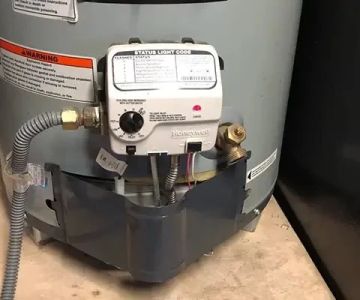
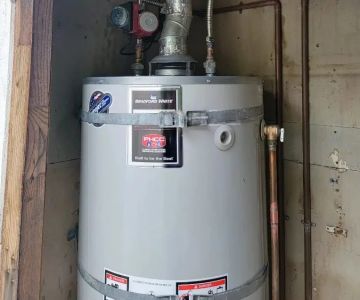
What to Do When Your Water Heater Stops Producing Hot WaterLearn what to do when your water heater stops producing hot water. Discover common causes, troubleshooting tips, maintenance advice, and when to call a professional plumber to restore hot water efficiently.
Why Your Toilet Tank Is Sweating and How to Fix ItLearn why your toilet tank is sweating, the causes of condensation, and practical solutions to fix it. Discover expert tips and real-life examples to prevent toilet tank sweating effectively.
How to Fix a Leaking Bathtub Faucet Stem: A Complete DIY GuideLearn how to fix a leaking bathtub faucet stem with this detailed DIY guide. Discover common causes, step-by-step repair instructions, tools needed, and expert tips to prevent future leaks.
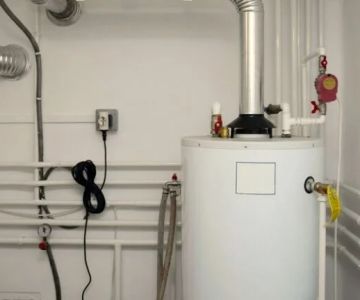
Why Is My Water Heater Not Staying Hot? Troubleshooting GuideDiscover why your water heater is not staying hot and learn practical troubleshooting tips. Explore causes, maintenance advice, and solutions to restore consistent hot water.
Why Is My Water Heater Temperature Too Hot? Causes and Fix GuideLearn why your water heater temperature is too hot, what causes overheating, how to fix it safely, and when to call a professional. Real cases, expert insights, and practical home solutions included.
How to Fix a Leaking Shower Faucet Valve: Step-by-Step Repair GuideLearn how to fix a leaking shower faucet valve with this detailed step-by-step guide. Discover causes, real repair cases, tools needed, and expert plumbing tips for long-lasting bathroom leak prevention.
Understanding the Metallic Taste in Your Tap Water and How to Fix ItDiscover why your tap water tastes metallic, explore the common causes like iron or plumbing issues, and learn practical solutions to enjoy clean, fresh water at home.
Categories
Top Visited Sites
RightNOW Plumbing4.0 (583 reviews)
Generation Plumbing Company LLC4.0 (19 reviews)
NJV Plumbing & Heating Inc5.0 (1 reviews)
MVP Plumbing5.0 (151 reviews)
Valley Gas Piping & Plumbing5.0 (1 reviews)
Donovan Plumbing & Heating4.0 (32 reviews)Must-Read Plumbing Tips Posts
Top Plumber Searches
Trending Plumbing Tips Posts
What to Do if You Have Low Water Pressure: Easy Fixes You Can Do Yourself
When Should You Call a Plumber for Sump Pump Failure
Preventing Winter Plumbing Issues: Common Causes & Solutions
What Is the Cost to Repair Water Main Break?
Ultimate Guide to Clogged Drains: How to Prevent and Fix Them
Sump Pump Test: Check It Before Heavy Rain Arrives