
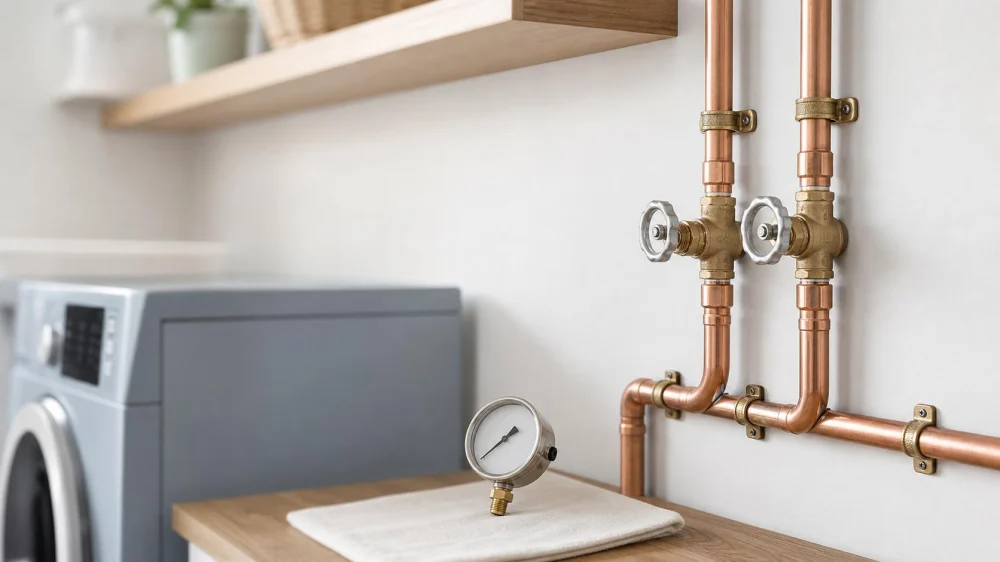
Why Pipes Bang When Water Shuts Off
On this page
Quick answer
A single bang just after a tap, washing machine or dishwasher valve closes may be water hammer: moving water stops quickly and sends a pressure wave through the piping. Repeated tapping, vibration or noise during flow can have other causes. Note the fixture and timing, check for leaks and excessive pressure, and have a plumber assess recurring or forceful banging before fittings or appliances are damaged.

Mike the Plumber / mike the plumber
1545 Ocean Ave A3, Bohemia, NY 11716, USA
What water hammer is
Water hammer is a hydraulic pressure surge created when flowing water changes speed or direction abruptly. The resulting wave can make pipe move or strike framing, producing a sharp bang. Fast-closing solenoid valves in washing machines, dishwashers and ice makers are common triggers, but a noise alone does not prove the diagnosis.
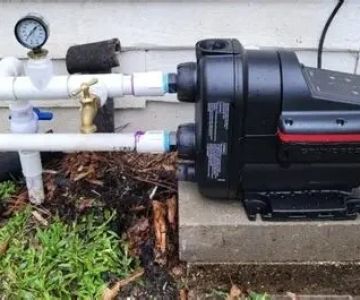
Other sounds include thermal expansion clicks, a loose pipe rattling during flow, a worn valve chattering, pump cycling, or pressure changes from a well system. Boone homes may use municipal water or private wells, so the supply equipment matters.
Landry Mechanical Inc Plumbing HVAC & Electric / landry mechanical
FraminghamMiddlesex CountyMassachusetts
763 Waverly St unit 32, Framingham, MA 01702, USA
Identify the trigger without guessing
- Record the exact event. Does the noise occur when water starts, while it runs, or the instant it stops?
- Test one fixture at a time. Use fixtures normally; do not slam valves or create repeated shocks.
- Note the sound. A single bang, rapid chatter, ticking, humming and continuous vibration suggest different checks.
- Locate the area. Listen from a safe finished space. Do not enter unsafe crawl spaces or open walls solely to chase a sound.
- Check the supply type. Tell the plumber about a pressure-reducing valve, expansion tank, well pump or recent utility work.
- Note recent changes. A new appliance, replaced valve, plumbing repair or altered pressure can narrow the cause.
Useful evidence: a short video with sound, the triggering fixture and the timing. Not useful: repeatedly snapping a valve closed, increasing pressure or installing parts before the source is understood.
Safe homeowner checks
- Look under sinks, around appliance hoses and at accessible pipe joints for fresh water, staining or swelling.
- Confirm appliance hoses are not kinked, rubbing sharp edges or visibly bulging.
- Make sure accessible shutoff handles are fully in their normal operating position, but do not force a stuck or corroded valve.
- Check whether several fixtures have unusually forceful flow or whether only one appliance triggers the bang.
- Observe a well pressure gauge only if it is designed to be read safely; do not adjust pressure switches or charged tanks.
- Follow appliance manuals for valve and hose inspection intervals.
A pressure gauge on a suitable hose connection can help a trained person assess static and dynamic pressure, but incorrect installation or interpretation can cause a leak or miss transient surges. Ask a plumber when you are unsure.
Possible professional solutions
The correct solution depends on measured pressure, pipe layout and trigger. A plumber may:
- secure accessible loose piping with appropriate supports that allow normal expansion;
- install or correctly size a listed water-hammer arrestor near a fast-closing valve;
- evaluate a pressure-reducing valve and confirm supply pressure;
- inspect thermal expansion control in a closed plumbing system;
- test a well pressure tank, pump controls and check valves;
- replace a malfunctioning fixture or appliance valve.
Old-style vertical air chambers can become waterlogged and may not provide reliable control. Draining a whole house is not a universal repair and can create other issues. Arrestors must be selected, placed and installed for the actual fixture and code requirements.
Signs that need prompt help
Stop using the triggering fixture and contact a plumber promptly if banging is violent, getting worse, accompanied by a leak, causes pipes to jump visibly, follows a pressure-regulator failure, or occurs with pump short-cycling. Shut off water only when it is safe and you know the correct control.
Keep away from water near outlets, panels or energized appliances and contact emergency or utility services for immediate electrical or flooding hazards. A sudden utility-side pressure event or widespread service problem should be reported to the water provider.
Choosing local plumbing help
When comparing plumbers around Boone, describe the trigger and supply type, then ask whether the visit includes pressure measurement, appliance-valve testing, well-system assessment when applicable, and a written explanation of the proposed correction. Confirm licensing or other credentials required for the work, service-area availability, fees and warranty terms directly.
PlumberNear helps users discover local services; it should not be treated as the direct provider unless a listing clearly states that relationship. Verify current details with the plumbing business.
Sources and evidence notes
This article reflects general hydraulic principles, appliance guidance and common plumbing diagnostic practice. Noise cannot identify a cause by itself. Pressure limits, arrestor selection, expansion control and permitted work depend on local code, the water system and product instructions.
Frequently asked questions
Is water hammer dangerous?
A mild isolated noise is not always an emergency, but recurring surges can stress valves, hoses, supports and joints. Investigate persistent or forceful banging.
Why does only my washing machine cause the bang?
Its electrically controlled inlet valves may close quickly. A plumber can confirm pressure, hose condition, pipe support and whether a properly placed arrestor is appropriate.
Can high water pressure cause banging?
High pressure can intensify some noise and stress, but the system should be measured rather than judged by feel. Do not adjust a regulator without proper diagnosis.
Why do pipes tick after a hot shower?
Slow ticking can be pipe expansion and contraction against framing rather than water hammer. Timing and sound pattern help distinguish them.
Can I add foam around a noisy pipe?
Do not pack material blindly into walls. Pipes need suitable support and room for thermal movement, and foam can conceal leaks or conflict with fire-stopping requirements.
Conclusion and next steps
Record which fixture starts the noise, exactly when it occurs, and whether there is leakage or unusually strong flow. Avoid recreating the bang. A plumber can combine those observations with pressure measurements and a system inspection to choose a targeted fix instead of adding parts by trial and error.
 BM Plumbing and Heating Inc4.0 (7 reviews)
 Pullman Plumbing4.0 (79 reviews)
 L&S Plumbing Heating & Cooling LLC4.0 (40 reviews)
 Accurate Baker Elman4.0 (428 reviews)
 Montemarano Plumbing4.0 (26 reviews)
 McBride & Company Plumbing, Heating, Air Conditioning4.0 (25 reviews)
 Sewer Backup Warning Signs and What to Do First
 Beginner's Guide to a Broken Water Heater: What You Need to Know
 What to Do If Your Sewer Line Needs Repair
 What Causes a Slab Leak Under Your House and How to Fix It
 Why Is My Water Heater Tank Sweating? Understanding the Causes and Solutions
 What Causes Replacing Old Pipes