
How to Find and Test Your Home's Main Water Shutoff
On this page
Quick answer
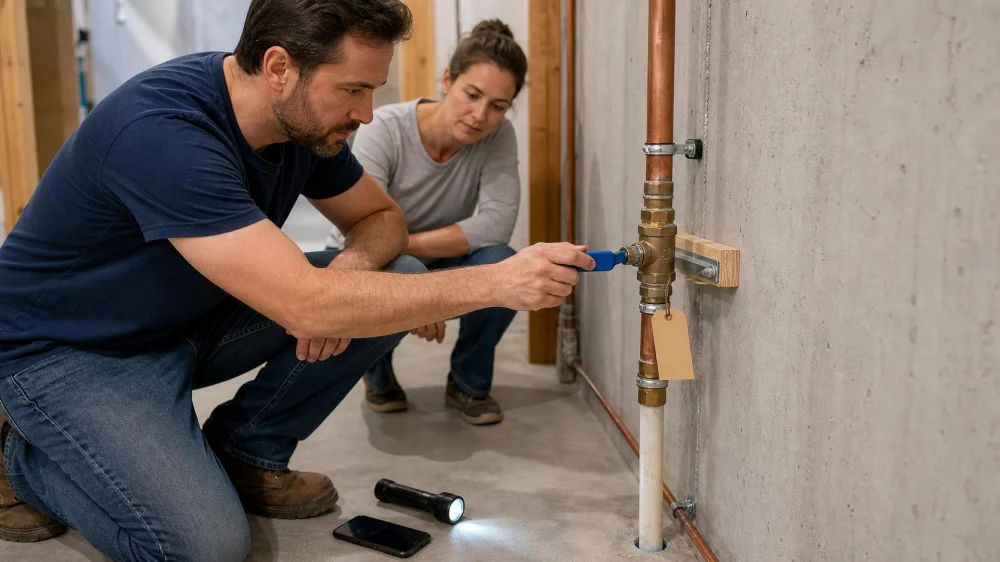
Trace the cold-water service line from where it enters the house and look for a wheel valve or lever valve before the plumbing branches. Confirm it is yours, photograph and label it, then test it during normal conditions by closing it gently and opening a cold tap. Never force a seized valve or operate a utility-owned meter valve without permission; call a licensed plumber or water provider.
Sewer Xpress Corp / pipe xpress inc
Eastampton TownshipBurlington CountyNew Jersey
649 Powell Rd, Eastampton Township, NJ 08060, USA
What the main shutoff does
A home's main water shutoff is the valve that stops the building's incoming potable-water supply. It can limit water damage from a failed pipe, appliance connector, fixture or repair. It may not stop private-well storage immediately, fire-sprinkler piping, irrigation supplied before the valve, or water already stored in a water heater.
Fixture valves under sinks and at toilets isolate smaller areas. Knowing both levels lets you avoid shutting the entire home for a minor repair while still responding quickly to a major leak.

Stashluk Mechanical Contractors Inc. / stashluk
Franklin TownshipHunterdon CountyNew Jersey
998 Croton Rd, Pittstown, NJ 08867, USA
Where to look
- On the foundation wall nearest the street-side water service entry.
- In a basement, crawlspace, utility room, garage or mechanical closet.
- Near the pressure-reducing valve or water meter when the meter is indoors.
- Inside an exterior wall box in climates and installations where that is permitted.
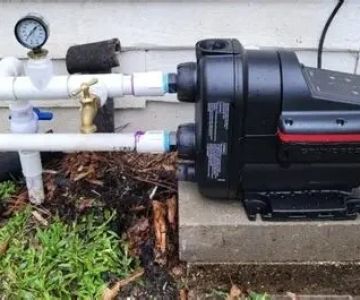
- Near the pressure tank for a private well, while noting pumps and stored pressure require a separate shutdown plan.
Use building plans, inspection documents, the water provider or a plumber when the route is hidden. Do not enter an unsafe crawlspace, confined area, flooded room or electrical hazard to search.
Identify the correct valve
A quarter-turn ball valve usually has a lever: parallel to the pipe generally means open and perpendicular generally means closed. An older gate-style valve has a round wheel that turns several times. Other designs exist, so confirm by tracing the pipe and testing rather than relying only on appearance.
Distinguish the customer-side home valve from a curb stop or meter valve owned or controlled by the utility. Meter boxes may contain fragile components, insects, standing water or electrical reading equipment. Contact the utility before operating anything there.
Test it safely
- Choose a normal weekday when a plumber and water provider are reachable.
- Tell occupants and stop appliances that require water according to their manuals.
- Inspect the valve, pipe and fittings for corrosion, cracks, moisture or poor support.
- Close a lever slowly through a quarter turn, or turn a wheel gently clockwise without tools or excessive force.
- Open a cold tap at a low fixture. Flow should decline as pressure drains.
- Check whether exterior taps or other branches still flow, which may reveal piping before the valve.
- Reopen slowly, purge air at a cold tap and inspect the stem and joints for leakage.
- Record what the valve controls and the test date.
If the valve is stuck or leaks
Stop if the handle will not move with gentle hand pressure, the body twists, the pipe flexes, or corrosion flakes. Pliers or a wrench can break a weak stem or pipe and turn a test into an active leak.
If water appears around the stem or fitting, contain it if safe, keep clear of electricity, and call a licensed plumber. Arrange with the water provider when the upstream service must be shut off for replacement. Consider replacing an unreliable valve before an emergency rather than waiting for failure.
Build a leak emergency plan
- Label the valve clearly without hiding corrosion or access.
- Keep the route clear and provide safe lighting.
- Show every capable household member how to close it.
- Save plumber, water provider, insurance and emergency restoration contacts.
- Know how to switch off a private well pump and relevant water-heating equipment safely.
- Keep a flashlight, towels and a simple leak container accessible.
- After a serious leak, photograph damage and contact appropriate professionals before energising wet equipment.
Boone-area considerations
Homes around Boone may have basements, crawlspaces, sloped sites, private wells or exposed service sections. Cold weather can make exterior or unconditioned access difficult. Locate and test the valve before freezing conditions, insulate piping only with approved methods, and keep heat and safe access around the service entry.
Do not invent a city-wide configuration from a neighbour's home. Confirm whether the property uses municipal water, a shared system or a private well and obtain the correct emergency number.
Limitations and important notes
This guide cannot identify ownership or piping from a photograph. Local codes, utility rules and well systems vary. A licensed North Carolina plumber and the serving water provider are appropriate sources for a property-specific plan.
Water near electrical panels, outlets, appliances or a sagging ceiling can create serious hazards. Keep people away and call emergency or utility professionals when safe access is uncertain.
Frequently asked questions
Should I use the street meter valve in an emergency?
Only when the utility authorises it and you have the proper method. It may be utility property and can be damaged by the wrong tool.
Why does water still run after I close the main valve?
Stored pressure drains briefly. Continued flow may mean the valve does not close fully or the fixture is supplied by another branch, tank or well system.
How often should I test the shutoff?
Ask a plumber for an interval suited to the valve and system. A periodic gentle operational check is useful, but do not exercise a visibly deteriorated valve without an upstream backup plan.
Can I label the valve with a permanent marker?
Use a durable tag or nearby sign that remains legible and does not interfere with operation or inspection.
Does shutting the main protect the water heater?
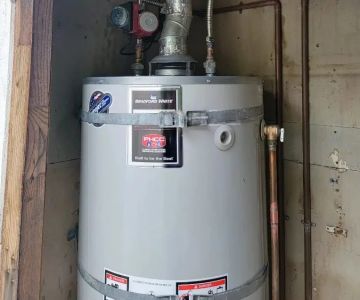
It stops incoming water at the house valve but does not remove stored hot water or automatically make every heater safe. Follow the appliance manual and professional guidance.
Sources and evidence notes
This article reflects common residential plumbing and emergency-preparedness practice: identify the building-side valve, verify ownership, test gently under controlled conditions, avoid forcing deteriorated components, and involve the water provider for utility equipment. Property plans, appliance instructions, local utility rules and a licensed plumber's assessment take priority.
Next steps
Trace the service line today, photograph the likely shutoff and confirm it with the water provider or a plumber. Schedule a controlled test, label the proven valve and share the route with the household. Replace a questionable valve before the next freeze or plumbing emergency.
 Empire State Plumbing4.0 (381 reviews)
 Actfast Solutions LLC: Superior Plumbing and Drain Services5.0 (29 reviews)
 RMD Plumbing4.0 (8 reviews)
 Lepore Plumbing & Heating5.0 (5 reviews)
 Aqualogic Inc5.0 (2 reviews)
 PUZO Plumbing & Drain LLC5.0 (76 reviews)
 Best Ways to Fix a Leaking Faucet
 How Much Does It Cost to Replacing Old Pipes in Your Home?
 DIY Fixes for a Broken Water Heater
 How to Fix and Unclog a Bathtub Drain Like a Pro
 Beginner's Guide to a Broken Water Heater: What You Need to Know
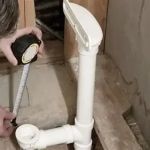 How to Install a New Bathroom Plumbing Rough-In Guide