
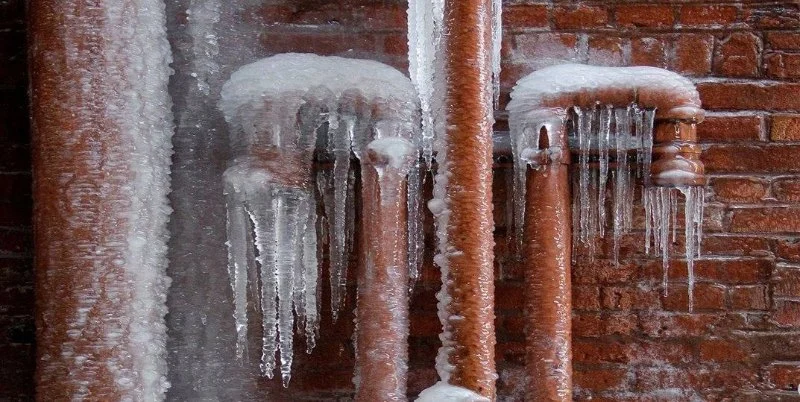
- how-to-identify-frozen-pipes
- immediate-steps-if-you-suspect-your-pipes-are-frozen
- how-to-safely-thaw-frozen-pipes
- what-not-to-do-with-frozen-pipes
- when-to-call-a-professional-plumber
- preventing-future-pipe-freezes
- get-help-from-plumbernear
1. How to Identify Frozen Pipes
If you wake up on a winter morning and turn on the faucet only to get a trickle—or worse, nothing—you might be dealing with frozen pipes. This is especially common in colder states like Minnesota, Michigan, or New York. Typical signs include:
- Unusual noises like clanking or whistling in the pipes
- Frost visibly forming on exposed pipes
- Water not flowing from one or more fixtures
Acting fast can prevent your pipes from bursting, which can lead to thousands of dollars in water damage repairs.
Mike the Plumber / mike the plumber
1545 Ocean Ave A3, Bohemia, NY 11716, USA
2. Immediate Steps If You Suspect Your Pipes Are Frozen
2.1 Shut Off the Main Water Supply
Turn off the water at the main valve. This limits flooding risk if the pipe bursts. If you're not sure where the valve is located, it's often in the basement, crawl space, or near the water heater.
coastal & son, llc / aj appliance toms river nj
Toms RiverOcean CountyNew Jersey
1106 Verdant Rd, Toms River, NJ 08753, USA
2.2 Open Faucets
Leave the affected faucet open slightly. This relieves pressure inside the pipe and helps once the ice starts melting.
2.3 Locate the Frozen Section
Frozen sections are usually in uninsulated areas—attics, exterior walls, or crawlspaces. Feel for very cold spots or frost.
3. How to Safely Thaw Frozen Pipes
3.1 Use Gentle Heat Sources
Apply heat with a hair dryer, electric heating pad, or warm towels. Always start close to the faucet and move slowly toward the frozen area. This allows melted water to escape through the open tap.
3.2 Space Heaters for Larger Areas
For enclosed areas like cabinets or basements, a space heater can help—but make sure it’s attended and placed safely away from flammable materials.
3.3 Avoid Open Flames
Never use a blowtorch, kerosene heater, or other open flames. These are serious fire hazards and may damage the pipe.
4. What Not to Do With Frozen Pipes
Avoid pouring boiling water directly on the pipe—it could cause thermal shock and lead to rupture. Don’t ignore the issue, hoping it will resolve itself. As pressure builds, it can crack even durable pipes. And definitely don’t bang on pipes to “break the ice” inside—this weakens fittings and joints.
5. When to Call a Professional Plumber
If your attempts to thaw the pipe don’t work within 30–60 minutes, or you notice bulging or cracks, it’s time to call a plumber. Additionally, if you can’t access the frozen section (e.g., it’s behind drywall or insulation), a licensed plumber will have the tools to handle it safely.
That’s where PlumberNear comes in—connecting you with certified local pros who know exactly how to deal with frozen pipes and prevent major home damage.
6. Preventing Future Pipe Freezes
6.1 Insulate Exposed Pipes
Use foam sleeves, heat tape, or insulation wraps on pipes near exterior walls or in unheated spaces. Many homeowners in colder states even install pipe heating cables.
6.2 Keep the Heat On
Maintain a minimum indoor temperature of 55°F, even when you're away. Leave interior doors open to let warm air circulate freely around pipes.
6.3 Let Faucets Drip During Cold Snaps
A slow trickle of water keeps pressure low and movement consistent, which can prevent freezing.
7. Get Help From PlumberNear
Frozen pipes are stressful—but the right help can make all the difference. Whether you're dealing with a minor freeze or a full-blown burst pipe emergency, PlumberNear connects you with reliable, local plumbing experts ready to solve your problem fast and professionally.
Don’t wait for more damage. Save time, money, and your sanity with a trusted partner on your side.
 Guarded Plumbing LLC4.0 (21 reviews)
 J&C Plumbing and Sewer Service, Inc.4.0 (272 reviews)
 Gould Plumbing & Heating4.0 (37 reviews)
 Order A Plumber Inc.5.0 (3 reviews)
 Blanchard Oil Company4.0 (51 reviews)
 Fairfax Electric Plumbing-Gas4.0 (160 reviews)
 Beginner's Guide to Installing a New Toilet: Step-by-Step Tips
 Signs You Need Sewer Line Backups Resolved Immediately
 How to Fix and Unclog a Bathtub Drain Like a Pro
 Step-by-Step Guide to Clogged Drains and How to Fix Them
 Is It Safe to Installing a New Toilet
 How Often Should You Check Low Water Pressure in Your Home