
Why Is My Toilet Tank Making Noise? Common Causes and How to Fix It
- Common Causes of a Noisy Toilet Tank
- Steps to Fix Noisy Toilet Tank
- Preventing Future Toilet Tank Noise
- When to Call a Plumber for Toilet Issues
Common Causes of a Noisy Toilet Tank
A noisy toilet tank is a frustrating issue that many homeowners face. The noise could range from a whistling sound to a loud banging noise during or after flushing. Below are some common causes:
- Water Pressure Issues: High water pressure can cause pipes in the toilet tank to vibrate and produce noise. This is common in households where the pressure is not regulated properly.
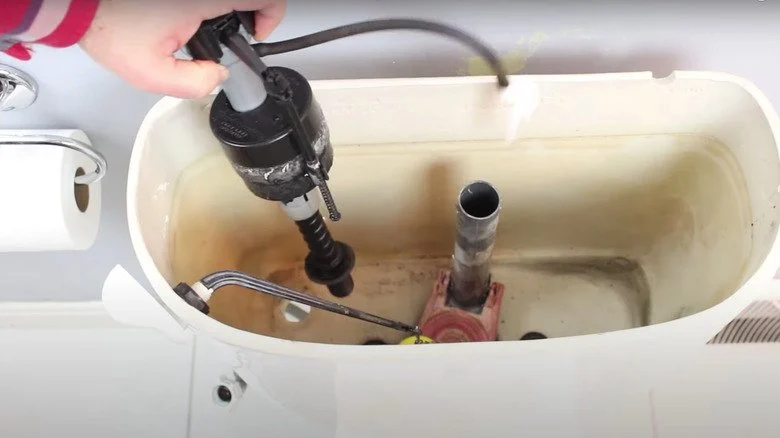
- Faulty Fill Valve: A fill valve that is damaged or malfunctioning can cause a constant hissing or whistling sound when the toilet tank refills after a flush.
- Old or Worn-out Parts: Over time, the internal parts of the toilet tank, such as the flapper or the valve seals, can wear out and create a variety of noises, including clanking and squeaking.
- Water Hammer: A loud banging noise that occurs after the flush is finished. This is due to a sudden stop in water flow when the valve closes, causing a shockwave in the pipes.
Steps to Fix Noisy Toilet Tank
Luckily, most toilet tank noises are easy to fix with some basic tools and a little DIY effort. Here’s how to address the issue:
- Check Water Pressure: If your water pressure is too high, install a pressure-reducing valve to keep the water pressure within a safe range (typically between 40-60 psi).
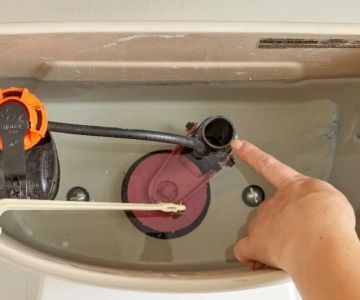
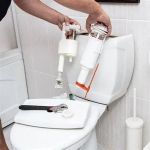
- Replace the Fill Valve: If the fill valve is making noise, you may need to replace it. Turn off the water supply, drain the tank, and remove the old valve. Install a new one to stop the whistling or hissing noise.
- Inspect the Flapper: A worn-out flapper can cause the tank to make noise while filling. Replacing the flapper can resolve the issue, as it ensures the water is sealed correctly in the tank.
- Install a Water Hammer Arrestor: If you’re experiencing banging noises, a water hammer arrestor can help absorb the shock in the pipes and prevent the banging sound.
Preventing Future Toilet Tank Noise
Once you’ve fixed the current issue, here are some tips to prevent future toilet tank noises:
- Regular Maintenance: Periodically check the internal parts of your toilet tank, including the flapper, fill valve, and flush valve. Replace any worn-out parts promptly.
- Control Water Pressure: Ensure that the water pressure in your home is regulated to prevent damage to your plumbing system and reduce the risk of noise.
- Use Softened Water: Hard water can cause mineral buildup inside the pipes, leading to clogs and noises. Consider installing a water softener if you live in an area with hard water.
When to Call a Plumber for Toilet Issues
If you’ve tried the above fixes and your toilet tank is still making noise, or if you’re uncomfortable performing DIY repairs, it’s time to call a professional plumber. A plumber can diagnose more complex issues such as pipe corrosion or pressure imbalance and recommend permanent solutions.
For all your plumbing needs, visit AC Fix to find the right products and services that will help solve your plumbing problems.
 Borges Plumbing & Heating4.0 (47 reviews)
 Rays Plumbing Services1.0 (2 reviews)
 Cornerstone Plumbing, Heating, & Cooling5.0 (2 reviews)
 Plumbing First5.0 (177 reviews)
 ABCO Plumbing Company LLC4.0 (36 reviews)
 Dulles Plumbing, Heating and Air4.0 (31 reviews)
 How to Properly Maintain Your Septic System: Tips for Homeowners
 How Often Should You Address Sump Pump Failure? Key Insights for Homeowners
 How to Deal with Common Plumbing Problems in Your Kitchen
 How to Install a New Water Filter in Your Kitchen
 What to Do If You Have Low Water Pressure: Solutions & Fixes
 Expert Tips for Fixing a Running Toilet: Troubleshooting & Solutions