
- 1. Understanding Low Water Pressure
- 2. Common Causes of Low Water Pressure
- 3. How to Diagnose Low Water Pressure
- 4. Fixing Low Water Pressure at Home
- 5. When to Call a Plumber
1. Understanding Low Water Pressure
Low water pressure is a common problem faced by homeowners, often resulting in weak showers, slow water flow, and difficulty in completing daily tasks like washing dishes or laundry. It can be frustrating when water doesn’t flow at the expected rate, but the good news is that it’s often a fixable issue. Understanding the causes and solutions for low water pressure will help you restore normal water flow in no time.
O'Neill Bros. Plumbing / oneill plumbing
RockvilleMontgomery CountyMaryland
12348 Wilkins Ave, Rockville, MD 20852, USA
2. Common Causes of Low Water Pressure
Several factors can contribute to low water pressure in your home. Identifying the cause is the first step in finding a solution. Here are some of the most common reasons:
- Clogged Pipes: Mineral deposits, rust, and debris can build up inside your pipes, reducing the flow of water.
- Leaky Pipes: Leaks in your plumbing system can divert water away from your faucets, causing a drop in water pressure.
- Faulty Pressure Regulator: A malfunctioning pressure regulator may be responsible for inconsistent water pressure.
- Water Supply Issues: Problems with the municipal water supply can lead to lower pressure in your entire neighborhood.
- Old Fixtures: Faucets, showerheads, and valves that have not been replaced in a long time may restrict water flow.
3. How to Diagnose Low Water Pressure
Before you begin repairing low water pressure, it’s important to diagnose the problem accurately. Here’s how you can start:
- Check Multiple Faucets: Test the water pressure at various taps in your home. If only one faucet is affected, the issue could be with that specific fixture. If the problem is widespread, the cause is likely within your plumbing system.
- Inspect for Leaks: Look around your home for signs of leaks, such as damp walls or puddles. Leaking pipes can severely affect water pressure.
- Test the Pressure Regulator: If your home has a pressure regulator, test it to ensure it's functioning properly. You can use a water pressure gauge or hire a professional plumber for this task.
- Check the Main Water Supply: Contact your local water utility company to verify if there are any issues with the municipal water supply affecting your pressure.
4. Fixing Low Water Pressure at Home
Once you've identified the cause, it’s time to address the issue. Here are some DIY solutions for common causes of low water pressure:
Mike the Plumber / mike the plumber
1545 Ocean Ave A3, Bohemia, NY 11716, USA
1. Clean or Replace Clogged Faucets and Showerheads
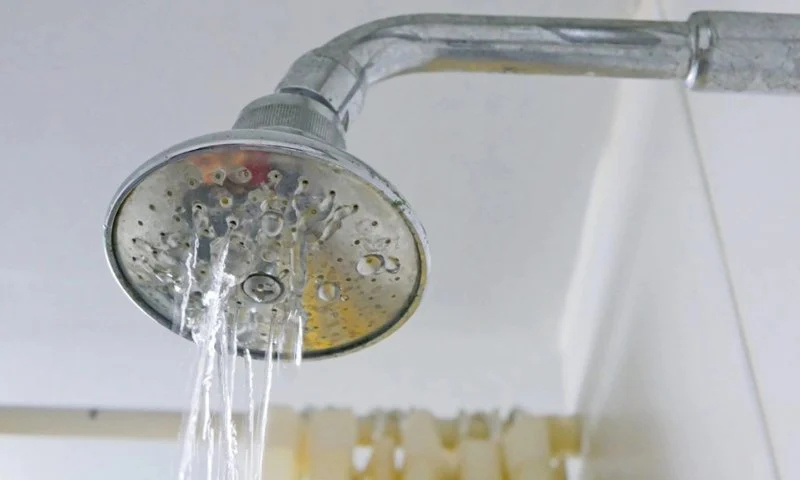
If mineral deposits are causing a blockage, soaking the faucet or showerhead in vinegar for a few hours can help dissolve the buildup. For severe blockages, you may need to replace the affected fixtures.
2. Clear Out Clogged Pipes
If you suspect that your pipes are clogged, you can use a plumbing snake or a high-pressure water jet to clear out debris. If you don’t feel comfortable doing this yourself, it’s best to call a professional plumber.
3. Repair or Replace Leaky Pipes
If your pipes are leaking, it’s important to repair them as soon as possible. Depending on the extent of the leak, you may be able to repair small leaks with pipe sealant or tape. For larger leaks or extensive pipe damage, consider hiring a plumber to replace the affected pipes.
4. Adjust the Pressure Regulator
If your home has a pressure regulator, it may need to be adjusted or replaced. Some pressure regulators can be adjusted manually, but if you’re unsure, it’s a good idea to contact a plumbing professional to avoid causing further issues.
5. Install a Booster Pump
If your home is located at the end of a water supply line or if you experience low pressure due to the design of your plumbing system, installing a booster pump can help increase water pressure in specific areas of your home, like showers or kitchen sinks.
5. When to Call a Plumber
While many cases of low water pressure can be fixed with DIY methods, there are situations where it’s best to call a professional plumber. Here are some signs that you need expert help:
- Persistent Issues: If you've tried to fix the problem yourself but the low water pressure persists, it's time to call a plumber.
- Leaks in Pipes: If you discover a major leak that you can’t fix on your own, a plumber will have the necessary tools to repair it.
- Pressure Regulator Problems: If the pressure regulator is damaged or not functioning properly, it may need to be replaced by a professional.
- Municipal Water Issues: If your low water pressure is caused by a larger issue with the municipal water supply, a plumber can help you work with your local utility company to resolve the issue.
If you need professional plumbing services to address low water pressure or any other issues in your home, visit PlumberNear to find the best plumbers in your area.
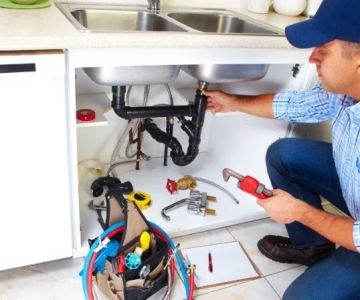
 Guarded Plumbing LLC4.0 (21 reviews)
 J&C Plumbing and Sewer Service, Inc.4.0 (272 reviews)
 Gould Plumbing & Heating4.0 (37 reviews)
 Order A Plumber Inc.5.0 (3 reviews)
 Blanchard Oil Company4.0 (51 reviews)
 Fairfax Electric Plumbing-Gas4.0 (160 reviews)
 Beginner's Guide to Installing a New Toilet: Step-by-Step Tips
 Signs You Need Sewer Line Backups Resolved Immediately
 How to Fix and Unclog a Bathtub Drain Like a Pro
 Step-by-Step Guide to Clogged Drains and How to Fix Them
 Is It Safe to Installing a New Toilet
 How Often Should You Check Low Water Pressure in Your Home