
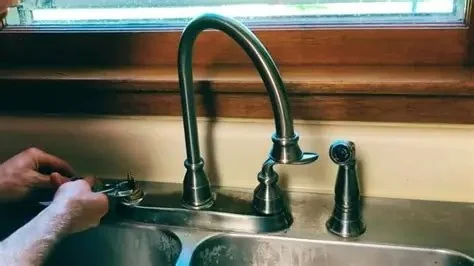
Why Is My Faucet Whistling? Common Causes and How to Fix It
- Introduction to Faucet Whistling
- Common Causes of Whistling Faucets
- How to Fix a Whistling Faucet
- Preventive Tips to Avoid Faucet Whistling
- When to Call a Professional Plumber
Introduction to Faucet Whistling
If you've ever heard your faucet whistling, you're not alone. Many homeowners encounter this annoying sound, especially when turning on the water. While it may seem like a minor issue, a whistling faucet can actually be a sign of an underlying problem in your plumbing system. In this article, we’ll explore why faucets whistle, the common causes of the noise, and what you can do to fix it.
Bill Trombly Plumbing - Heating - Cooling - Electric / jim trombly heating
ManchesterHillsborough CountyNew Hampshire
76 Maple St, Manchester, NH 03103, USA
Common Causes of Whistling Faucets
Faucet whistling can be caused by a variety of factors. Here are some of the most common reasons why your faucet might be making noise:
- High Water Pressure: If your home’s water pressure is too high, it can force water through the faucet valves at a speed that creates a whistling noise. This is one of the most common causes of faucet whistling.
- Dirty or Worn Out Aerator: The aerator on the tip of the faucet is designed to mix air with the water to reduce splashing. Over time, sediment buildup or a worn-out aerator can cause the water to flow through irregularly, leading to a whistling sound.
- Clogged or Loose Cartridge: In faucets with a cartridge valve, a clog or a loose cartridge can disrupt the water flow, causing a whistling noise as the water passes through. This can be more noticeable when you adjust the temperature or pressure of the water.
- Faulty Valve or Washer: The valve or washer inside the faucet could be damaged or misaligned. If this occurs, water may not flow smoothly, leading to a high-pitched sound as it passes through the gaps.
- Pipe Vibrations: Sometimes, the pipes themselves can vibrate due to water pressure fluctuations or air trapped in the plumbing system. This can result in a high-pitched whistling or squealing sound when the faucet is turned on.
How to Fix a Whistling Faucet
Now that you know the common causes of faucet whistling, let’s discuss some simple ways to fix the issue:
- Check and Adjust the Water Pressure: If high water pressure is causing the whistling, use a pressure gauge to measure it. If it’s above 60 psi, consider installing a pressure regulator to reduce the pressure and prevent the noise.
- Clean or Replace the Aerator: To clean the aerator, unscrew it from the faucet and soak it in a vinegar solution to dissolve mineral buildup. If it’s worn out or damaged, replacing it with a new one can restore smooth water flow.
- Inspect the Cartridge: If the problem lies with the faucet cartridge, you may need to disassemble the faucet and inspect the cartridge for clogs or wear. If necessary, replace the cartridge with a new one to fix the issue.
- Replace Faulty Valves or Washers: For faucets with worn valves or washers, replacing these components can eliminate the whistling sound. Be sure to match the replacement parts to your faucet model.
- Check for Pipe Vibrations: If the whistling is coming from the pipes themselves, you may need to secure them with brackets to prevent vibrations. Additionally, bleeding the pipes of trapped air can help reduce the noise.
Preventive Tips to Avoid Faucet Whistling
To avoid future faucet whistling issues, consider these preventive measures:
- Regularly check and maintain your faucet aerators to keep them clean and free of debris.
- Monitor your home’s water pressure and adjust it as necessary to prevent excessive pressure buildup.
- Perform routine inspections of your plumbing system to catch any signs of wear or damage before they lead to larger problems.
- Ensure that your pipes are securely fastened to minimize the risk of vibrations and noise.
When to Call a Professional Plumber
In most cases, faucet whistling can be resolved with simple maintenance. However, if the noise persists after trying the above fixes or if you encounter more serious plumbing issues, it may be time to call a professional plumber. A licensed plumber can diagnose and repair complex problems such as water pressure issues, damaged valves, or faulty pipes.
Fixing a whistling faucet is a straightforward task that can prevent further plumbing issues and keep your home peaceful. If you’re in need of professional plumbing services or faucet repairs, visit Dine Droop for expert recommendations and services.
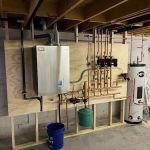 978 PLUMBING4.0 (102 reviews)
 Domestic Plumbing & Heating, Inc.4.0 (26 reviews)
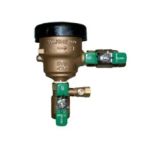 Smart Water Backflow5.0 (4 reviews)
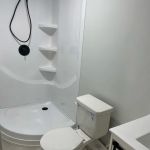 Drip Plumbing Services, LLC5.0 (4 reviews)
 NO PROBLEM PLUMBING LLC5.0 (7 reviews)
 The Very Good Plumbing Co.5.0 (8 reviews)
 How to Fix a Leaking Pipe Under Concrete
 When Should You Call a Plumber for Clogged Drains?
 How Much Does It Cost to Repair Water Damage in Your Bathroom?
 Plumber's Tips for Maintaining Your Plumbing System
 Ultimate Guide to Choosing the Right Pipe Materials for Your Plumbing Needs
 How to Fix a Frozen Pipe Without Causing Further Damage