
Expert Advice on a Running Toilet
- 1- Introduction to a Running Toilet
- 2- Common Causes of a Running Toilet
- 3- Diagnosing the Issue: How to Identify a Running Toilet
- 4- How to Fix a Running Toilet: Expert Tips
- 5- Preventing Future Toilet Issues
- 6- When to Call a Professional Plumber
1- Introduction to a Running Toilet
A running toilet is one of the most common plumbing problems homeowners face. It's often an annoying issue that wastes both water and money, as it can increase your water bill without you even realizing it. In fact, a running toilet can waste hundreds of gallons of water a day, making it essential to fix as soon as possible. If you've noticed your toilet constantly running, don't panic! With some basic troubleshooting and expert advice, you'll be able to diagnose and fix the problem.
JetBlast Inc. Water Blasting Sewer & Drain Cleaning / jet blast drain cleaning
BaltimoreAnne Arundel CountyMaryland
6800 Fort Smallwood Rd, Baltimore, MD 21226, USA
2- Common Causes of a Running Toilet
There are several potential causes of a running toilet, and understanding them is the first step to fixing the issue. Here are the most common reasons a toilet might run:
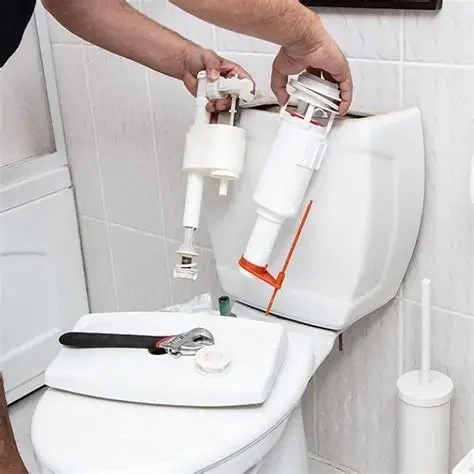
- Flapper Valve Issues: The most common cause of a running toilet is a faulty flapper valve. If this rubber part doesn't seal properly, water will constantly flow from the tank into the bowl.
- Faulty Fill Valve: The fill valve controls the flow of water into the tank. If this part becomes defective, the water level in the tank may rise too high, causing it to overflow into the overflow tube and keep the toilet running.
- Clogged or Dirty Components: Over time, parts like the fill valve or flush valve can accumulate debris or become clogged, causing the toilet to malfunction.
- Chain Issues: The chain that connects the flush handle to the flapper can sometimes become too loose or too tight, preventing the flapper from sealing properly.
3- Diagnosing the Issue: How to Identify a Running Toilet
Before you start fixing the problem, it’s important to diagnose the cause of the running toilet. Here's a step-by-step process to help you:
- Lift the Tank Lid: Start by lifting the lid off your toilet tank. This will allow you to inspect the internal components and identify any issues.
- Inspect the Flapper: Check if the flapper is seated properly. If it's warped or damaged, it may need to be replaced.
- Check the Water Level: The water level in the tank should be about an inch below the top of the overflow tube. If it's too high, the fill valve may be malfunctioning.
- Examine the Fill Valve: If the water level seems to rise too much, inspect the fill valve for signs of wear or clogging. You may need to clean or replace it.
4- How to Fix a Running Toilet: Expert Tips
Once you've identified the cause of the issue, it's time to fix it. Here are expert tips for fixing the most common causes of a running toilet:
- Replace the Flapper Valve: If the flapper is damaged or worn out, simply replace it. Flappers are inexpensive and can be found at most hardware stores. Make sure to choose one that matches the model of your toilet.
- Adjust or Replace the Fill Valve: If the fill valve is the problem, try adjusting it first. If that doesn’t work, you may need to replace the valve. To do this, turn off the water supply, disconnect the old valve, and install the new one.
- Clean the Components: If dirt or debris is clogging the fill valve or flush valve, clean the parts with vinegar and water. Use a soft brush to remove any buildup.
- Fix the Chain: If the chain is too tight or too loose, adjust it so that the flapper opens and closes properly. A well-adjusted chain will prevent constant water flow into the bowl.
5- Preventing Future Toilet Issues
Now that you've fixed your running toilet, you’ll want to prevent similar issues from happening in the future. Here are some preventive measures to consider:
- Regular Maintenance: Perform regular checks on the components inside your toilet tank to ensure everything is functioning properly.
- Replace Old Parts: Over time, parts like the flapper valve and fill valve can wear out. Replacing these parts every few years will help prevent issues.
- Use Gentle Cleaning Products: Avoid harsh chemicals that could damage your toilet’s internal components. Instead, use a gentle cleaner that won’t degrade rubber or plastic parts.
6- When to Call a Professional Plumber
While many running toilet issues can be fixed on your own, some cases may require professional help. Here’s when you should consider calling a plumber:
- If you’ve replaced parts but the toilet continues to run.
- If you're unsure about how to diagnose the problem properly.
- If the issue is more complex, such as a clog or pipe problem.
For reliable plumbing assistance, don't hesitate to visit PlumberNear, where you can find trusted professionals ready to solve your toilet problems.
 Guarded Plumbing LLC4.0 (21 reviews)
 J&C Plumbing and Sewer Service, Inc.4.0 (272 reviews)
 Gould Plumbing & Heating4.0 (37 reviews)
 Order A Plumber Inc.5.0 (3 reviews)
 Blanchard Oil Company4.0 (51 reviews)
 Fairfax Electric Plumbing-Gas4.0 (160 reviews)
 Beginner's Guide to Installing a New Toilet: Step-by-Step Tips
 Signs You Need Sewer Line Backups Resolved Immediately
 How to Fix and Unclog a Bathtub Drain Like a Pro
 Step-by-Step Guide to Clogged Drains and How to Fix Them
 Is It Safe to Installing a New Toilet
 How Often Should You Check Low Water Pressure in Your Home