
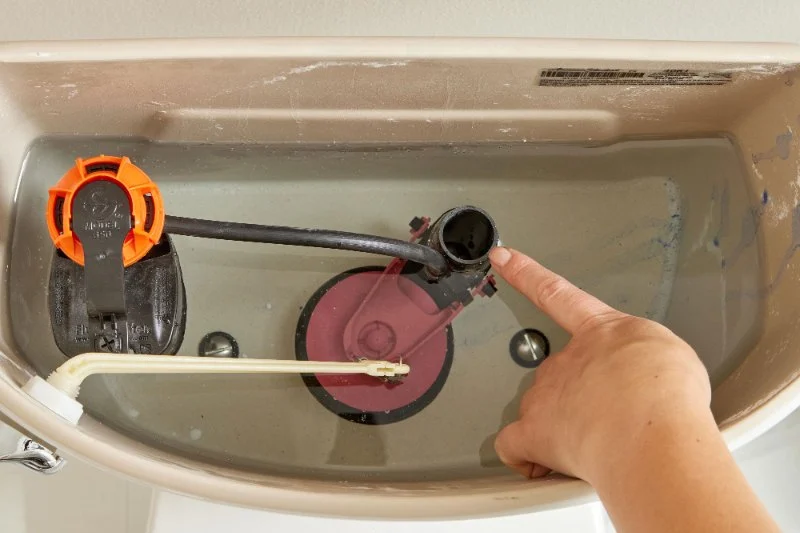
Why Is My Toilet Running After New Flapper Installed?
- Common Causes of a Running Toilet
- Issues with the New Flapper Installation
- How to Fix a Running Toilet After a New Flapper
- When to Call a Plumber
- Real-Life Example: Fixing My Own Running Toilet
Common Causes of a Running Toilet
Dealing with a running toilet can be frustrating, especially after installing a new flapper. Understanding the common causes of a running toilet will help you troubleshoot and fix the issue. A running toilet can be caused by:
- Worn-out parts: Even after installing a new flapper, other parts like the fill valve, flush valve, or float may be causing the issue.
- Incorrect flapper installation: If the flapper is not positioned correctly or doesn’t seal properly, it can cause the toilet to run continuously.
- Water level issues: If the water level in the tank is too high or too low, it can affect the toilet's flushing mechanism and cause it to run unnecessarily.
Issues with the New Flapper Installation
After replacing the flapper, you might still notice your toilet running. This could be due to several installation-related issues:
- Incorrect size: If the replacement flapper is not the right size for your toilet model, it may not create a proper seal, leading to water leakage and a running toilet.
- Misalignment: If the flapper is not aligned correctly with the flush valve, it won’t close properly, allowing water to continue flowing into the bowl.
- Flapper material: Low-quality flappers or ones made from certain materials can wear out faster, leading to a poor seal and leaks.
How to Fix a Running Toilet After a New Flapper
If your toilet continues to run after installing a new flapper, here’s how you can address the issue:
- Check the flapper position: Make sure the flapper is properly aligned and seated on the flush valve. Adjust if necessary to ensure it creates a tight seal.
- Inspect the water level: Ensure the water level in the tank is set correctly. The water should be about an inch below the top of the overflow tube. Adjust the float if necessary to regulate the water level.
- Clean the flush valve: Dirt or mineral deposits can build up on the flush valve, preventing the flapper from sealing correctly. Clean the valve to ensure a smooth surface for the flapper to seal.
- Replace the fill valve: If the fill valve is malfunctioning, it could be causing the toilet to run. Replacing it can resolve the issue.
When to Call a Plumber
If you’ve tried the troubleshooting steps above and your toilet is still running, it might be time to call a professional plumber. A plumber can diagnose more complex issues, such as problems with the flush valve, fill valve, or even the tank's internal mechanisms. They can also ensure that everything is installed correctly and functioning properly to prevent future problems.
O'Neill Bros. Plumbing / oneill plumbing
RockvilleMontgomery CountyMaryland
12348 Wilkins Ave, Rockville, MD 20852, USA
Real-Life Example: Fixing My Own Running Toilet
Last month, I replaced the flapper in my toilet, thinking that would solve the issue of it running. However, after installation, the toilet continued to run. I quickly realized that the flapper wasn’t seated correctly, which caused the water to flow continuously. I adjusted the flapper, and the problem was fixed. This experience taught me the importance of ensuring that every component of the toilet is installed correctly, and how a small misalignment can lead to bigger issues.
 Classic Plumbing & Heating5.0 (2 reviews)
 D R Stoltz Plumbing5.0 (4 reviews)
 Polo Plumbing & Heating4.0 (26 reviews)
 Highland Park Plumbing & Heating4.0 (16 reviews)
 Philip Berry Plumbing Co Inc5.0 (63 reviews)
 Maryland Plumbing & Heating0.0 (0 reviews)
 How to Know If You Need a Plumbing Upgrade for Your Home
 Why Is My a Broken Water Heater and How to Fix It
 Top Tips for a Broken Water Heater: What Every U.S. Homeowner Should Know
 How Much Does It Cost to Replace Old Pipes? Expert Tips and Costs
 How to Fix a Frozen Pipe Without Causing Further Damage
 Top Tips for Choosing the Right Pipe Materials for Your Plumbing Needs