
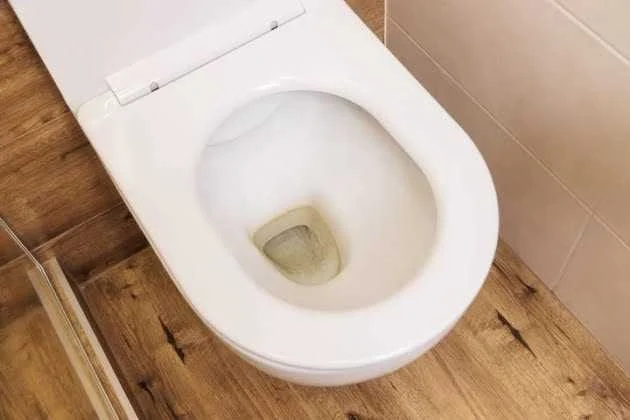
Understanding Why Toilet Bowls Crack and How to Prevent It
- 1-Common-materials-and-structure-of-toilet-bowls
- 2-Primary-reasons-toilet-bowls-develop-cracks
- 3-Impact-damage-and-accidental-stress
- 4-Temperature-fluctuations-and-freezing-risks
- 5-Manufacturing-defects-and-ware-quality-issues
- 6-Poor-installation-and-improper-mounting
- 7-How-hard-water-and-mineral-deposits-contribute
- 8-Preventive-measures-to-avoid-cracks
- 9-Case-study-real-homeowner-experience
- 10-Repair-or-replacement-decisions-for-cracked-toilets
1. Common Materials and Structure of Toilet Bowls
Most modern toilets are constructed from vitreous china, a durable ceramic that is coated with a glaze to prevent water absorption. While strong, this material is inherently brittle and susceptible to cracking under certain conditions. Understanding the construction helps homeowners recognize potential vulnerabilities before a problem arises.

Stashluk Mechanical Contractors Inc. / stashluk
Franklin TownshipHunterdon CountyNew Jersey
998 Croton Rd, Pittstown, NJ 08867, USA
1.1 Toilet Bowl Anatomy
The bowl consists of a large water reservoir, a trapway for waste removal, and a rim. Any stress on these areas, particularly during installation or accidental impact, can lead to cracks that may worsen over time.

Mike the Plumber / mike the plumber
1545 Ocean Ave A3, Bohemia, NY 11716, USA
2. Primary Reasons Toilet Bowls Develop Cracks
Cracks can appear suddenly or gradually. Most causes fall into three categories: physical stress, temperature effects, and manufacturing flaws.
3. Impact Damage and Accidental Stress
Dropping heavy objects onto the toilet bowl is a common cause of cracks. Even a small tool or object falling at just the wrong angle can chip or fracture the ceramic. Over time, repeated minor stress, such as standing on the bowl or shifting the toilet during cleaning, can exacerbate existing weaknesses.
3.1 Avoiding Physical Damage
Homeowners should exercise caution around toilets, especially during renovations or when handling cleaning equipment. Installing bathroom mats can also reduce the risk of accidental impact.
4. Temperature Fluctuations and Freezing Risks
Extreme temperature changes, particularly in unheated bathrooms or during winter, can stress the ceramic material. If water inside the bowl or trap freezes, expansion can create cracks. Similarly, pouring very hot water directly into a cold toilet may cause thermal shock, leading to fractures.
4.1 Prevention Tips
Keep bathrooms at stable temperatures and avoid introducing hot or cold extremes rapidly. During winter, ensure pipes are insulated to prevent freezing inside the toilet system.
5. Manufacturing Defects and Ware Quality Issues
Even the most carefully manufactured toilets can contain microscopic flaws. Small air bubbles or uneven glazing may leave areas vulnerable to cracking under normal use. Purchasing toilets from reputable brands reduces the risk of receiving flawed units.
6. Poor Installation and Improper Mounting
Incorrect installation can place undue stress on the bowl. Uneven flooring, over-tightened bolts, or misaligned flanges can cause the porcelain to flex or stress, eventually resulting in cracks.
6.1 Installation Advice
Always follow manufacturer instructions carefully, ensure the floor is level, and avoid overtightening mounting bolts. Using proper wax rings and gaskets provides support and reduces movement.
7. How Hard Water and Mineral Deposits Contribute
Hard water can leave mineral deposits inside the bowl and trapway. Over time, these deposits create pressure points and weaken the porcelain, making it more prone to cracking during normal use or cleaning.
7.1 Maintenance Suggestions
Regularly clean your toilet with safe cleaning solutions and occasionally check for mineral buildup. Installing a water softener in areas with hard water can reduce long-term stress on the toilet bowl.
8. Preventive Measures to Avoid Cracks
8.1 Routine Inspection
Check for small chips or hairline cracks and monitor them over time. Early detection can prevent minor damage from worsening.
8.2 Avoiding Extreme Impact and Stress
Keep heavy objects away from the toilet and discourage standing on the bowl or seat.
8.3 Professional Installation
Hiring a licensed plumber or ensuring proper alignment and mounting during installation reduces structural stress and the likelihood of cracks.
9. Case Study: Real Homeowner Experience
A homeowner noticed a small hairline crack near the base of their toilet after rearranging bathroom storage. Initially, it seemed minor, but over a few months, it widened, leading to a slow leak. By contacting a trusted bathroom supplier, they replaced the toilet and implemented preventive measures, including floor leveling and using mats to protect the bowl from impacts.
This story emphasizes that even seemingly small cracks can become serious if ignored and highlights the importance of proactive monitoring and maintenance.
10. Repair or Replacement Decisions for Cracked Toilets
10.1 When to Repair
Minor surface cracks can sometimes be repaired with specialized epoxy or sealants. This may be sufficient for small cosmetic issues without water leakage.
10.2 When to Replace
Significant cracks, leaks, or fractures near mounting points usually require full replacement. Replacement ensures long-term reliability, safety, and prevents water damage to surrounding flooring.
10.3 Taking Action
If you have been asking, “What Causes Toilet Bowl to Crack?”, it is important to address both the cause and the solution. Inspect the toilet regularly, maintain proper installation, avoid physical and thermal stress, and consider replacement when necessary. For high-quality toilets and expert advice on preventing damage, Reliable Damage Hub provides trusted products and guidance to ensure your bathroom fixtures remain safe and functional.
 Empire Plumbing and Heating5.0 (2 reviews)
 Jeff Caudill Plumbing3.0 (12 reviews)
 RP Plumbing and Mechanical4.0 (59 reviews)
 Fred Jonas Plumbing & Heating4.0 (21 reviews)
 Roto-Rooter Plumbing & Water Cleanup4.0 (336 reviews)
 Augustine Plumbing3.0 (14 reviews)
 How to Fix a Leaking Bathtub Faucet Stem: Step-by-Step Guide for a Quick Repair
 Step-by-Step Guide to Installing a Water Filtration System Under Your Sink
 Is It Safe to Frozen Pipes? Risks, Prevention, and Expert Tips
 How to Replace a Leaking PVC Elbow Joint - Step-by-Step Guide
 DIY Fixes for a Broken Water Heater
 Ultimate Guide to Low Water Pressure: Causes, Solutions, and Expert Tips