
Smart Ways to Build a Functional Laundry Room Plumbing System
- - Why Proper Laundry Room Plumbing Matters
- - Understanding the Basic Components
- - Planning Your Laundry Room Layout
- - Tools and Materials You Will Need
- - How to Install Water Supply Lines
- - Installing a Drain and Vent System
- - Common Mistakes Homeowners Make
- - Real World Laundry Room Renovation Story
- - Understanding Plumbing Codes and Permits
- - How to Prevent Water Damage
- - Professional vs DIY Installation
- - Maintenance After Installation
- - Creating a Future Proof Laundry Room
Why Proper Laundry Room Plumbing Matters
Many homeowners underestimate how important plumbing is in a laundry room until something goes wrong. A leaking washing machine hose, slow drain, or overflowing standpipe can quickly turn a simple laundry day into an expensive home repair project. Learning how to install a new laundry room plumbing line properly is one of the smartest investments you can make when remodeling or building a home.
Unlike a standard sink setup, laundry room plumbing handles large volumes of water at high speed. Modern washing machines can discharge dozens of gallons of water within minutes. If the drain line, venting system, or water supply connections are poorly installed, the result can include mold growth, structural damage, and even electrical hazards.
In recent years, homeowners across the United States have started paying more attention to functional utility spaces. Laundry rooms are no longer hidden basement corners. They are becoming organized, stylish, and highly efficient spaces designed for convenience and long-term durability.
One experienced contractor shared that nearly 40 percent of his emergency service calls came from poorly installed laundry plumbing systems. In many cases, homeowners tried to cut costs during remodeling projects but later spent thousands repairing damaged floors and drywall.
That is why understanding the fundamentals before starting your project matters so much.
Understanding the Basic Components
Before installing anything, it helps to understand the main parts involved in a laundry room plumbing system.
1. Water Supply Lines
Your washing machine requires both hot and cold water supply lines. These lines are typically connected using flexible braided stainless-steel hoses that attach to shutoff valves.
Hot Water Supply
The hot water line connects directly to your home’s water heater system. Proper insulation can help reduce heat loss and improve efficiency.
Cold Water Supply
The cold water line supplies fresh water for rinse cycles and temperature-controlled washing programs.
2. Drain Line
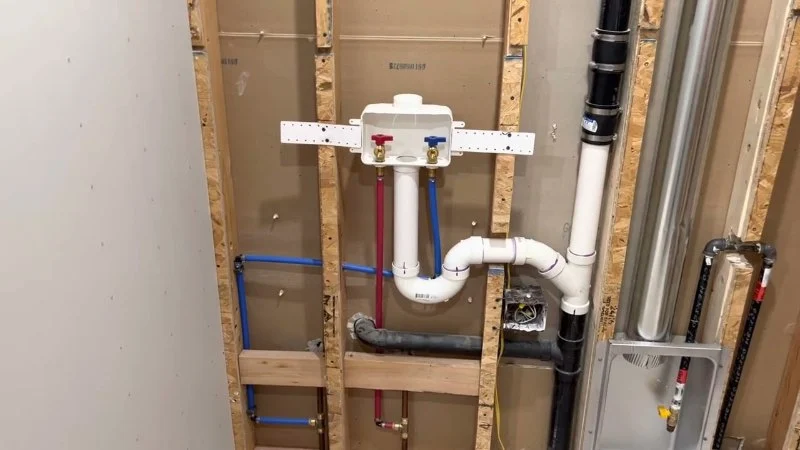
The washing machine drain line removes wastewater from the appliance. Most residential systems use a vertical standpipe connected to a P-trap and branch drain.
Standpipe Height Matters
If the standpipe is too short, water may overflow. If it is too tall, the washing machine pump may struggle to discharge water effectively.
3. Venting System
Many homeowners overlook venting during installation. Proper venting prevents suction issues and allows wastewater to flow smoothly.
Without adequate venting, you may hear gurgling noises or experience slow drainage.
Planning Your Laundry Room Layout
Planning is often the difference between a smooth installation and a stressful renovation.
Choosing the Best Location
The easiest and most affordable place to install a laundry room is near existing plumbing lines. Placing your washer close to a kitchen, bathroom, or utility area reduces labor and material costs.
Main Floor Installations
Main-floor laundry rooms are increasingly popular among homeowners because they improve accessibility and convenience.
Basement Laundry Rooms
Basements often provide easier access to drain systems and exposed plumbing lines, making installations simpler.
Considering Appliance Size
Modern front-load washers and dryers are often larger than older units. Leave enough clearance for ventilation, maintenance access, and hose connections.
Future Expansion Plans
Think ahead before finalizing your layout. You may eventually want utility sinks, folding stations, or storage cabinets.
Professionals frequently recommend installing slightly larger drain pipes and accessible shutoff valves to simplify future upgrades.
Tools and Materials You Will Need
Installing a laundry room plumbing line requires careful preparation and the right tools.
Essential Plumbing Tools
- Pipe cutter
- Adjustable wrench
- PEX crimping tool
- Level
- Measuring tape
- Cordless drill
- Hole saw
- PVC cement
- Plumber’s tape
Common Materials
- PEX tubing or copper pipe
- PVC drain pipe
- Water shutoff valves
- Drain trap assembly
- Pipe brackets
- Washing machine outlet box
Many homeowners visit specialty suppliers or consult professionals before purchasing materials. Some renovation experts also recommend comparing tools and plumbing kits through trusted service platforms like Ac Fix when evaluating installation options and equipment recommendations.
How to Install Water Supply Lines
Installing water supply lines is one of the most critical parts of the project.
Step 1: Shut Off Main Water Supply
Never begin plumbing work while the water system is active. Shut off the main water valve and drain any remaining water from nearby faucets.
Step 2: Mark Pipe Routes
Carefully map out the path for hot and cold water lines.
Avoid Sharp Bends
Sharp turns can reduce water pressure and increase wear over time.
Protect Pipes From Damage
Install protective nail plates where pipes pass through wall studs.
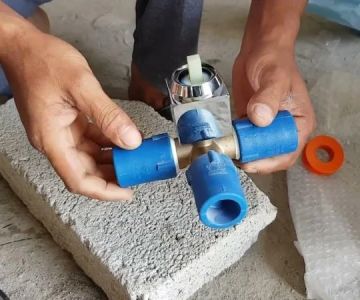
Step 3: Install Shutoff Valves
Individual shutoff valves allow quick emergency control without affecting the rest of the home.
Professional plumbers strongly recommend quarter-turn ball valves because they are reliable and easier to operate.
Step 4: Secure the Washing Machine Outlet Box
The outlet box provides clean, organized access for water connections and drainage.
Modern outlet boxes often include hammer arrestors that reduce water pressure shocks.
Installing a Drain and Vent System
Drain installation can become complicated if you are unfamiliar with plumbing codes.
Installing the Drain Pipe
The standard drain pipe for washing machines is usually 2 inches in diameter.
Proper Pipe Slope
The drain line must slope downward properly to encourage smooth wastewater flow.
Insufficient slope may lead to standing water and clogs.
Using PVC Correctly
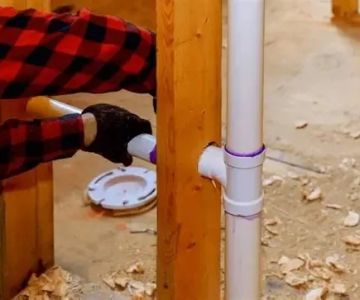
PVC joints should be dry-fitted first before applying cement.
Many DIY homeowners rush this step and later discover alignment problems.
Adding the P-Trap
The P-trap prevents sewer gases from entering your home.
Incorrect trap placement is one of the most common inspection failures during laundry room renovations.
Installing Vent Pipes
Vent pipes stabilize pressure and allow the drainage system to work efficiently.
Some homes may allow the use of air admittance valves, while others require traditional vent stacks depending on local plumbing codes.
Common Mistakes Homeowners Make
Even experienced DIY enthusiasts can make costly mistakes during plumbing installations.
Using the Wrong Pipe Size
Small drain pipes often cannot handle modern high-efficiency washers.
This may result in backups and overflow problems.
Ignoring Local Plumbing Codes
Building codes exist for safety reasons. Failing inspection can delay your renovation and increase costs.
Improper Hose Connections
Loose washing machine hoses are a major cause of water damage in American homes.
Insurance companies frequently report laundry room flooding as one of the most expensive household water claims.
Poor Ventilation Planning
Many homeowners focus only on plumbing while ignoring airflow and humidity management.
Without proper ventilation, mold and mildew can develop quickly.
Real World Laundry Room Renovation Story
A homeowner in Colorado recently shared her laundry room remodeling experience online. Initially, she planned to save money by hiring a general handyman instead of a licensed plumber.
The project seemed successful for the first few months. However, hidden drainage issues eventually caused water to leak beneath the flooring. By the time the problem became visible, mold had spread behind the walls.
The repair costs exceeded $12,000.
After rebuilding the room with proper plumbing design and professional inspections, she said the biggest lesson learned was simple: plumbing shortcuts rarely save money in the long run.
Stories like this are surprisingly common across renovation forums and homeowner communities.
Understanding Plumbing Codes and Permits
Permits may seem annoying, but they protect homeowners from dangerous installations.
Why Permits Matter
Inspections help verify that plumbing systems meet local safety standards.
Insurance Protection
Some insurance companies may deny claims involving unpermitted plumbing work.
Resale Value
Future buyers often request proof that renovations were completed legally.
Typical Permit Requirements
Requirements vary by state and municipality, but many jurisdictions require:
- Drain line inspections
- Vent verification
- Water pressure testing
- Pipe material approval
Always check local regulations before beginning construction.
How to Prevent Water Damage
Water damage prevention should be part of every laundry room design.
Install a Drain Pan
A drain pan beneath the washing machine helps catch leaks before they damage floors.
Use Leak Detection Devices
Smart leak detectors are becoming increasingly popular.
These systems can send smartphone alerts when moisture is detected.
Replace Rubber Hoses
Old rubber washing machine hoses are notorious for sudden failure.
Braided stainless-steel hoses offer far better durability.
Check Connections Regularly
Even professionally installed systems should be inspected periodically.
Small drips often go unnoticed until significant damage occurs.
Professional vs DIY Installation
One of the biggest decisions homeowners face is whether to handle installation themselves or hire a licensed plumber.
Benefits of DIY Plumbing
Lower Initial Costs
DIY installations can reduce labor expenses significantly.
Learning Experience
Many homeowners enjoy learning practical renovation skills.
Benefits of Hiring a Professional
Code Compliance
Licensed plumbers understand local regulations and inspection requirements.
Long-Term Reliability
Professional installations often reduce future repair risks.
Warranty Protection
Some contractors offer warranties covering workmanship and materials.
If you are uncertain about drain venting, water pressure balancing, or structural modifications, hiring a professional is usually the safer option.
Many homeowners researching plumbing projects also compare service providers and installation guidance through trusted home maintenance resources like Ac Fix to better understand repair costs and equipment compatibility.
Maintenance After Installation
Installing a laundry room plumbing line is only the beginning. Ongoing maintenance protects your investment.
Monthly Inspection Checklist
Inspect Hoses
Look for cracks, bulges, or corrosion around fittings.
Check Drain Flow
Slow drainage may indicate early clog development.
Test Shutoff Valves
Exercise valves occasionally to prevent seizing.
Annual Preventive Maintenance
Flush drain lines annually to help remove detergent buildup and lint accumulation.
Professional plumbers also recommend inspecting vent systems every few years.
Creating a Future Proof Laundry Room
Modern laundry rooms are evolving quickly.
Homeowners increasingly want utility spaces that combine efficiency, organization, and smart technology.
Energy-Efficient Appliances
New washing machines use less water while delivering better cleaning performance.
Compatibility Matters
Always ensure your plumbing system can support appliance requirements.
Smart Water Monitoring Systems
Some systems automatically shut off water flow if leaks are detected.
This technology is becoming especially popular in second-floor laundry rooms where leaks can cause major structural damage.
Extra Utility Features
Many homeowners now include:
- Deep utility sinks
- Built-in storage
- Folding counters
- Drying racks
- Pet washing stations
Planning these features during the plumbing stage can save substantial money later.
Ultimately, learning how to install a new laundry room plumbing line is about more than connecting pipes. It is about creating a reliable, efficient system that protects your home while supporting your daily routine.
Whether you choose a full DIY approach or hire a licensed professional, careful planning, quality materials, and attention to detail make all the difference. Many homeowners discover that investing in proper plumbing from the beginning saves enormous stress later.
If you are researching tools, plumbing upgrades, or professional installation options, exploring trusted resources like Ac Fix can help you compare practical solutions for your next laundry room project.
 Roto-Rooter Plumbing & Water Cleanup4.0 (497 reviews)
 Stan's Plumbing, Heating, Sewer & Drain Cleaning LLC4.0 (138 reviews)
 WetWorks Plumbing Repair Services5.0 (14 reviews)
 Main Line Plumbing4.0 (176 reviews)
 Panza Plumbing & Heating3.0 (2 reviews)
 John's Sewer & Drain Cleaning4.0 (744 reviews)
 Why Is My Water Heater Smelling Like Sulfur? Causes and Solutions
 What to Do If Your Water Heater is Leaking: Immediate Actions
 What Causes Water Damage in Your Bathroom? Discover the Real Issues
 How Long Does It Take to Fix a Leaking Faucet?
 Beginner's Guide to Replacing Old Pipes | PlumberNear
 How Long Does It Take to Prevent Winter Plumbing Issues