
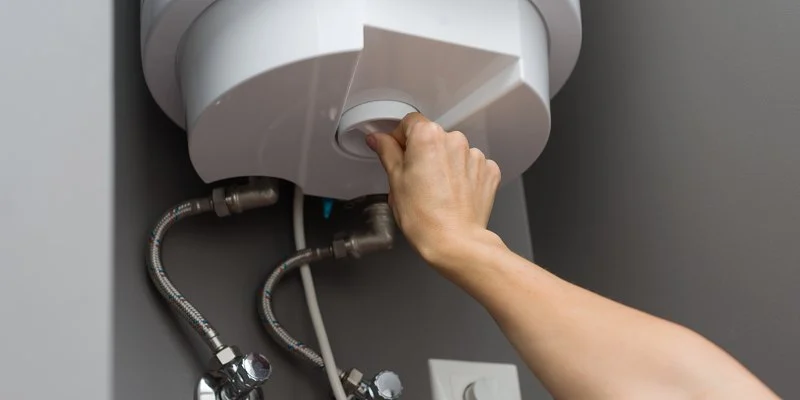
Understanding Why Your Water Heater Takes Too Long to Recover
- 1-How-Water-Heaters-Work
- 2-Common-Reasons-For-Slow-Recovery
- 3-Diagnosing-The-Issue-Effectively
- 4-Easy-Fixes-For-Homeowners
- 5-When-Professional-Solutions-Are-Needed
- 6-Preventing-Slow-Recovery-In-The-Future
- 7-Recommended-Water-Heater-Products
1. How Water Heaters Work
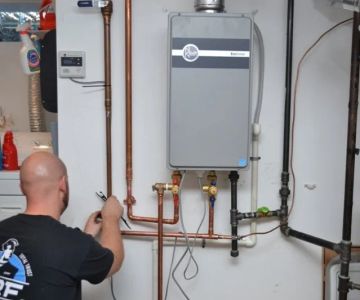
Water heaters, whether electric or gas-powered, are designed to heat a tank of water and maintain a consistent supply of hot water for household use. After drawing hot water for showers, washing dishes, or laundry, the tank refills and reheats the water to the set temperature. The “recovery time” refers to how long the unit takes to heat cold water to the desired temperature again. If your recovery time is longer than expected, understanding the mechanics of your heater is the first step to resolving the problem.
JetBlast Inc. Water Blasting Sewer & Drain Cleaning / jet blast drain cleaning
BaltimoreAnne Arundel CountyMaryland
6800 Fort Smallwood Rd, Baltimore, MD 21226, USA
2. Common Reasons For Slow Recovery
2.1 Sediment Buildup
Over time, minerals from hard water accumulate at the bottom of the tank. This layer of sediment acts as an insulator, slowing heat transfer from the heating element or burner to the water. Homes in areas with hard water often notice a drop in efficiency after a few years.
Sewer Xpress Corp / pipe xpress inc
Eastampton TownshipBurlington CountyNew Jersey
649 Powell Rd, Eastampton Township, NJ 08060, USA
2.2 Faulty Heating Elements or Burners
Electric water heaters rely on heating elements, while gas models depend on burners. If these components degrade or fail, recovery slows dramatically, and hot water may run out quickly.
2.3 Incorrect Thermostat Settings
A thermostat set too low will cause the heater to take longer to reach the desired temperature. Many homeowners overlook this simple fix.
2.4 Oversized or Undersized Water Heater
Using a tank that doesn’t match household hot water demand can affect recovery times. Too small a tank runs out quickly, while an oversized tank may take longer to reheat water fully.
3. Diagnosing The Issue Effectively
Before attempting fixes, it’s crucial to identify the root cause. Observe the following:
3.1 Water Temperature Fluctuations
Frequent drops in water temperature may indicate sediment buildup or faulty heating elements.
3.2 Age of the Water Heater
Units older than 10–12 years often show slower recovery due to natural wear and internal buildup.
3.3 Energy Usage Patterns
Higher utility bills may indicate the system is working harder than it should to heat water.
4. Easy Fixes For Homeowners
4.1 Flushing the Tank
Flushing the tank every 6–12 months removes sediment buildup. This improves heat transfer and restores faster recovery times.
4.2 Adjusting the Thermostat
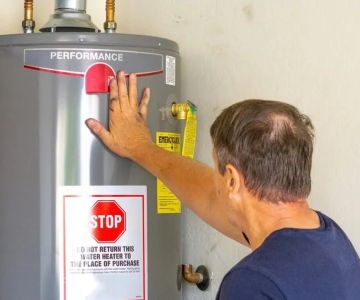
Raising the thermostat slightly can reduce perceived slow recovery, but always stay within safe temperature ranges (usually 120–140°F).
4.3 Replacing Heating Elements or Burners
For electric water heaters, swapping out old heating elements can restore performance. Gas heaters may require burner cleaning or replacement.
5. When Professional Solutions Are Needed
Some water heater problems require expert intervention. If flushing and minor adjustments don’t solve the slow recovery, consider hiring a licensed plumber. Professionals can:
- Inspect and replace faulty components safely
- Check for tank corrosion or leaks
- Recommend upgrading to a more efficient model if needed
6. Preventing Slow Recovery In The Future
6.1 Regular Tank Flushing
Annual flushing prevents sediment buildup and maintains heating efficiency.
6.2 Monitor Water Softness
Using water softeners reduces mineral deposits inside the tank.
6.3 Professional Inspections
Scheduling periodic inspections can catch issues before they slow your water heater’s recovery time.
7. Recommended Water Heater Products
For homeowners looking to enhance water heater performance, high-quality replacement elements, tank cleaning tools, and efficient thermostats are essential. Investing in these products ensures long-lasting hot water supply and minimizes slow recovery issues.
Understanding why your water heater takes too long to recover and taking proactive steps not only saves money but also ensures consistent hot water availability. Explore trusted products and maintenance solutions to restore your heater’s efficiency today and enjoy uninterrupted comfort at home.
 Roto-Rooter Plumbing & Water Cleanup4.0 (579 reviews)
 Cassidy Plumbing & Heating, Inc4.0 (196 reviews)
 Quality Service Today Plumbing & Septic4.0 (1338 reviews)
 Pierce Plumbing and HVAC LLC4.0 (112 reviews)
 GRACE MILLENIUM CONTRACTING LLC.5.0 (1 reviews)
 Draintech Inc4.0 (51 reviews)
 How to Fix a Leaking Pipe Fitting Under Sink: Step-by-Step Guide
 Beginner's Guide to Preventing Winter Plumbing Issues – Expert Tips for Homeowners
 How to Prevent and Fix Frozen Pipes: Essential Tips for Homeowners
 How Much Does It Cost to Find a Reliable Plumber in the U.S.?
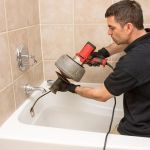 When Should You Call a Plumber for Unclogging a Bathtub Drain
 How to Handle a Plumbing Emergency: Essential Tips for Homeowners