
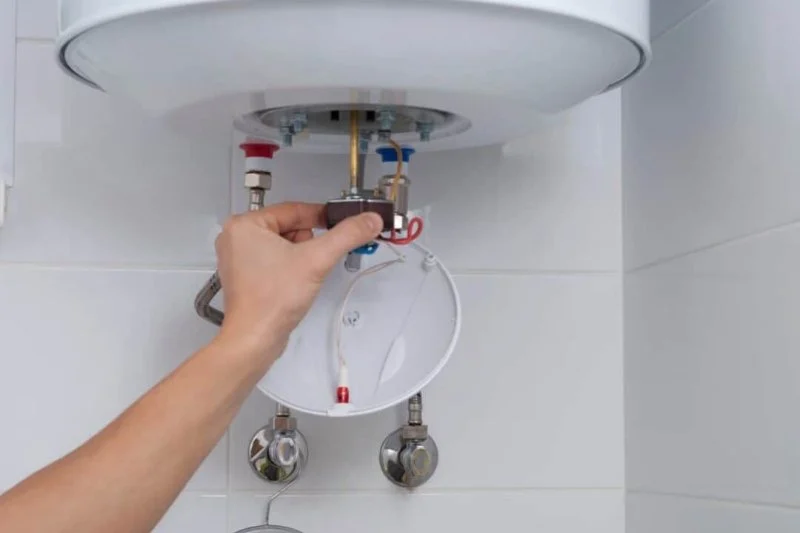
What to Check When Your Water Heater Stops Heating Properly
- how-a-water-heater-thermostat-works
- common-reasons-a-water-heater-thermostat-stops-working
- warning-signs-you-should-not-ignore
- how-to-troubleshoot-the-problem-safely
- when-repair-makes-sense-and-when-replacement-is-better
1. How a Water Heater Thermostat Works
If you have been asking yourself, “Why is my water heater thermostat not working?” you are definitely not the only one. This is one of those household problems that usually shows up at the worst possible moment, often when someone is halfway through a shower and suddenly gets hit with cold water. The thermostat inside a water heater controls when the heating elements turn on and off. In simple terms, it tells the unit when the water is too cool and when it has reached the set temperature.
In an electric water heater, there are usually upper and lower thermostats working with heating elements. In a gas unit, the thermostat helps regulate burner activity. When this system works properly, you get a steady supply of hot water without really thinking about it. When it fails, the symptoms can be confusing. Sometimes the water is lukewarm. Sometimes it is far too hot. Sometimes there is no hot water at all.

Warrior Plumbing & Heating / warrior plumbing
4123 Roland Ave, Baltimore, MD 21211, USA
1.1 Why the Thermostat Matters More Than Most People Think
A lot of homeowners assume the heating element is always the main problem, but the thermostat is often the real reason the system stops performing normally. If it cannot read temperature accurately or cannot communicate with the heater correctly, the whole unit starts acting unpredictably.

Stashluk Mechanical Contractors Inc. / stashluk
Franklin TownshipHunterdon CountyNew Jersey
998 Croton Rd, Pittstown, NJ 08867, USA
1.2 Why This Problem Often Gets Misdiagnosed
The tricky part is that thermostat issues can look like several other problems, including sediment buildup, wiring damage, tripped breakers, or even an aging tank. That is why a little methodical troubleshooting goes a long way before spending money on the wrong repair.
2. Common Reasons a Water Heater Thermostat Stops Working
There is rarely just one universal cause. A faulty thermostat can fail for several different reasons, and understanding them helps narrow things down faster.
2.1 Age and Normal Wear
Like most mechanical and electrical components, thermostats wear out over time. If your water heater is older, the thermostat may simply be reaching the end of its useful life. Small internal parts can weaken, lose calibration, or stop responding consistently.
2.2 Electrical Connection Problems
Loose wires, damaged connectors, or corrosion around the thermostat can interrupt communication between the control and heating system. In real homes, this is more common than many people realize, especially in older utility areas where humidity and dust build up over the years.
2.3 Reset Button Trips
Many electric water heaters have a high-limit reset switch. If the unit overheats, that switch can trip and shut things down. Sometimes homeowners think the thermostat has failed when the reset just needs attention. Still, if the reset keeps tripping, that usually points to a deeper thermostat or heating element problem.
2.4 Sediment and Overheating Stress
Mineral buildup inside the tank can make the water heater work harder than it should. Over time, that extra stress can affect temperature control. In places with hard water, sediment becomes one of those quiet background issues that slowly turns into a repair bill.
3. Warning Signs You Should Not Ignore
Before a thermostat fails completely, it usually leaves clues. Paying attention early can save you from a bigger repair later.
3.1 Water That Is Never Hot Enough
This is the most obvious clue. If your hot water runs out too quickly or never gets fully hot, the thermostat may not be activating the heating cycle correctly.
3.2 Water That Gets Dangerously Hot
A thermostat that sticks can overheat the water, which is more serious than many people think. Extremely hot water is not just uncomfortable. It can be a burn risk, especially for children and older adults.
3.3 Hot Water That Changes Day to Day
One day the shower feels normal. The next day it is barely warm. Then it seems fine again. That kind of inconsistency often suggests a thermostat that is beginning to fail rather than one that has fully stopped working.
3.4 A Real-World Example That Sounds Familiar
A homeowner in an online DIY forum recently described a situation where the water heater seemed “almost fixed” every few days. After checking the breaker and flushing the tank, the problem kept returning. The actual cause turned out to be a worn thermostat that was reading temperatures inconsistently. That kind of story comes up again and again because thermostat problems can look random before they become obvious.
4. How to Troubleshoot the Problem Safely
If you want to figure out why your water heater thermostat is not working, you can do some basic checks before calling for service. Safety matters here, especially with electric units.
4.1 Start With the Power Source
Check the breaker first. It sounds simple, but it rules out an easy explanation. If the unit has no power, the thermostat cannot do its job. If the breaker keeps tripping, stop there and investigate further rather than repeatedly resetting it.
4.2 Check the Reset Button
On many electric water heaters, there is a reset button behind the access panel. If it has tripped, resetting it may restore hot water temporarily. If it trips again, that points to an overheating or electrical issue that should not be ignored.
4.3 Look for Visible Damage
Carefully inspect for burned wires, corrosion, moisture, or signs of overheating around the thermostat compartment. Even a quick visual check can sometimes reveal that the problem is larger than a simple thermostat replacement.
4.4 Test Temperature Performance Logically
If the water is consistently too cold, too hot, or erratic after you confirm power is reaching the unit, the thermostat becomes a much stronger suspect. At that point, a multimeter test may help confirm the issue, but many homeowners prefer to leave that part to a qualified technician.
5. When Repair Makes Sense and When Replacement Is Better
Once you know the thermostat is likely the issue, the next question is whether to repair the unit or replace something more substantial.
5.1 When a Thermostat Repair or Replacement Is Worth It
If the water heater is still relatively young and otherwise in good condition, replacing a faulty thermostat is often a practical fix. It is usually far less expensive than replacing the whole unit and can restore normal performance quickly.
5.2 When the Whole Water Heater May Be the Smarter Move
If the heater is older, full of sediment, struggling with multiple parts, or leaking from the tank, a thermostat fix may only buy you a little time. In that case, replacement is often the more cost-effective choice. This is especially true if you are already dealing with reduced efficiency and rising energy bills.
5.3 A Practical Rule of Thumb
If the unit has one clear problem, repair is often reasonable. If it has several problems stacked together, replacement becomes easier to justify. That is usually the point where homeowners stop asking, “Can I fix this one part?” and start asking, “How much longer do I really want to keep this system?”
If you have been searching for the answer to “Why is my water heater thermostat not working?” the smartest next step is to compare the symptoms, check the basics, and decide whether a targeted repair or a full upgrade makes more sense for your home. If you want to learn more, explore current replacement options, or review dependable thermostat and water heater solutions, now is the right time to look at the latest products and make a more confident decision before the next cold shower makes it for you.
 DeWolfe Plumbing, Heating & Cooling4.0 (609 reviews)
 Express Plumbing and Heating of the Hudson Valley INC4.0 (53 reviews)
 Tewksbury A1 Plumbing Services3.0 (2 reviews)
 Joseph Fabian Plumbing and Heating5.0 (21 reviews)
 Precision Tanks Inc5.0 (1 reviews)
 Cape Cod Master Plumbers, Inc.4.0 (141 reviews)
 Why Is My Toilet Bubbling When I Run the Sink? Causes and Solutions
 Should I Replace or Repair Water Damage in Your Bathroom?
 Is It Safe to Detect a Hidden Water Leak? A Complete Guide
 Step-by-Step Guide to Detecting a Hidden Water Leak in Your Home
 Should I Replace or Repair Detecting a Hidden Water Leak
 Plumber’s Tips for Detecting a Hidden Water Leak Before It Gets Worse