
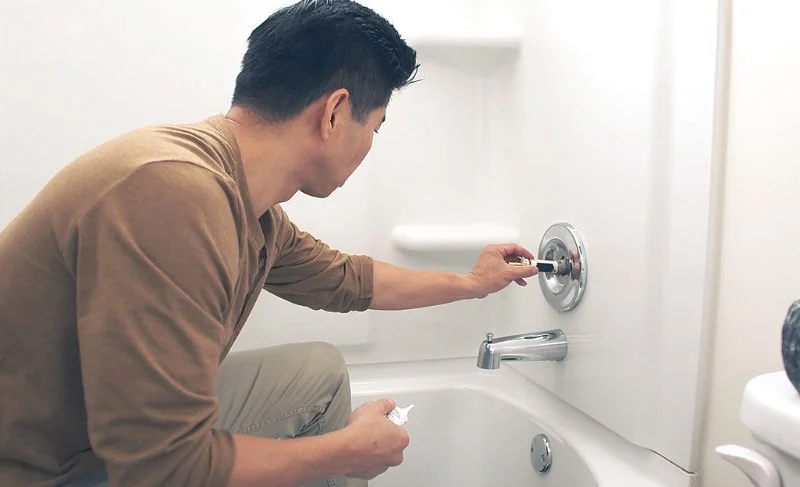
What a Dripping Bathtub Faucet Usually Means and How to Handle It
- -Why-a-Bathtub-Faucet-Keeps-Dripping-After-Shutoff
- -The-Most-Common-Parts-That-Fail
- -How-to-Tell-Which-Type-of-Faucet-You-Have
- -Signs-the-Leak-Is-Small-But-the-Problem-Isn’t
- -What-You-Can-Check-Before-Calling-a-Plumber
- -When-a-Repair-Kit-Is-Enough-and-When-It-Is-Not
- -How-to-Stop-a-Dripping-Bathtub-Faucet-for-Good
1. Why a Bathtub Faucet Keeps Dripping After Shutoff
1.1 The short version most homeowners discover the hard way
If your bathtub faucet is dripping after you turn it off, the faucet is usually no longer sealing water completely. That sounds minor, but in practice it means one of the internal parts has worn down, shifted out of place, or collected enough mineral buildup to stop closing tightly.
A lot of people ignore it at first because a drip seems harmless. Then a slow tap becomes a steady tick through the night, and suddenly it is not just annoying. It is wasted water, a higher utility bill, and a warning that the valve assembly is aging.

Mike the Plumber / mike the plumber
1545 Ocean Ave A3, Bohemia, NY 11716, USA
1.2 Why this happens even when the handle feels normal
One of the frustrating things about a bathtub faucet dripping problem is that the handle may still feel completely fine. It may turn smoothly. It may stop in the usual position. From the outside, everything seems normal. Inside, though, a rubber washer, cartridge seal, valve seat, or stem can wear down just enough to let water sneak through.

Warrior Plumbing & Heating / warrior plumbing
4123 Roland Ave, Baltimore, MD 21211, USA
1.2.1 A tiny gap is all it takes
Bathtub faucets rely on pressure and tight seals. Even a very small imperfection inside the faucet can allow water to pass through. That is why a drip can continue long after the handle is fully off.
1.2.2 Hard water makes the problem worse
In many homes, mineral deposits slowly build up inside the faucet body. Over time, those deposits can roughen sealing surfaces and shorten the life of internal parts. This is especially common in older bathrooms where fixtures have not been serviced in years.
2. The Most Common Parts That Fail
2.1 Worn washers in older faucets
In traditional compression-style faucets, a rubber washer presses down to stop the water. After years of use, that washer can harden, crack, or flatten. When it does, the faucet no longer closes completely, and the result is a dripping bathtub faucet that seems to have a mind of its own.
This is one of the most classic plumbing issues in older homes. If you have a house built a few decades ago and the fixtures have never been updated, this is often the first thing worth checking.
2.2 Damaged cartridge in newer fixtures
Many modern tub faucets use a cartridge instead of a simple washer. Cartridges are reliable, but they do not last forever. Once the seals inside start to wear out, water can bypass the shutoff point and continue dripping from the spout.
2.2.1 Why cartridge leaks fool people
Cartridge problems often feel more confusing than washer problems because the faucet may not seem loose or broken. It just never shuts off as cleanly as it used to. Homeowners often describe it as, “I turn it off all the way, but it still drips for a long time.”
2.3 Corroded valve seat
The valve seat is the surface the washer presses against to stop water flow. If that seat becomes rough or corroded, it can prevent a proper seal. Think of it like trying to close a door against a warped frame. Even with pressure, it never quite meets evenly.
2.4 Loose or worn stem components
In some faucets, the stem assembly itself wears down. Threads can loosen, seals can degrade, and the entire shutoff action becomes less precise. This is why some handles need to be turned harder over time just to reduce the dripping.
3. How to Tell Which Type of Faucet You Have
3.1 Compression faucets usually have a firmer shutoff feel
If you need to twist the handle several turns to open or close the water, you likely have a compression faucet. These often use washers, which means a bathtub faucet dripping after shutoff may be tied to washer wear or a damaged valve seat.
3.2 Cartridge faucets often move more smoothly
If your handle lifts, rotates smoothly, or only needs a partial turn, you may have a cartridge-style faucet. In that case, the leak is more likely related to the cartridge or its sealing components.
3.2.1 Why correct identification matters
One of the most common DIY mistakes is buying the wrong repair part. Someone assumes every dripping faucet uses the same washer kit, takes the fixture apart, and then realizes the setup is completely different. Knowing the faucet type first saves time and usually prevents a second trip to the hardware store.
4. Signs the Leak Is Small, But the Problem Isn’t
4.1 The drip gets worse at night
Many homeowners notice the sound more at night, but it is not always just because the house is quiet. Water pressure can vary during the day, and some leaks become more obvious during off-peak hours. If the drip feels inconsistent, that usually points to an internal sealing issue rather than surface condensation or leftover water in the spout.
4.2 You have to turn the handle tighter than before
This is a classic warning sign. A properly functioning faucet should not need extra force to stop water flow. If you are cranking the handle harder every week, the internal parts are likely deteriorating.
4.3 The faucet drips hot or warm water
If the drip is warm long after use, that can help identify which side of the faucet is leaking inside the valve. On two-handle systems, this can be especially useful because it narrows down whether the hot or cold side needs repair.
4.3.1 A real-world example homeowners recognize quickly
A common story goes like this: someone notices a faint drip, puts a towel in the tub to muffle the sound, and plans to deal with it later. A month passes. Then the drip becomes a thin stream, and suddenly a simple repair turns into a more urgent weekend project. That pattern is incredibly common because faucet leaks rarely fix themselves. They only get more expensive in time, water, and frustration.
5. What You Can Check Before Calling a Plumber
5.1 Watch what happens right after shutoff
First, notice whether the faucet drips for a few seconds and stops, or keeps dripping indefinitely. A brief release can sometimes be leftover water draining from the spout. A continuous drip usually means a sealing failure inside the faucet.
5.2 Check for handle looseness or stiffness
If the handle wiggles, binds, or feels unusually tight, that can point to worn internal parts. Even small changes in handle feel can be a clue that the cartridge or stem is no longer operating cleanly.
5.3 Look for mineral buildup around the spout and handle
White, chalky residue often suggests hard water. This buildup does not confirm the exact failure, but it does support the idea that internal deposits may be contributing to the leak.
5.3.1 Turn off the water before disassembly
This sounds obvious, but it is the step people rush past when they are annoyed by a drip. If you decide to inspect or repair the faucet, shut off the water supply first. Bathtub faucet repairs are manageable for many homeowners, but they become much less manageable once water starts spraying from an open valve body.
6. When a Repair Kit Is Enough and When It Is Not
6.1 When a simple repair often works
If the faucet body is still in decent shape and the leak comes from worn washers, seals, or a cartridge, replacing those parts can often solve the problem completely. This is usually the best-case scenario: low cost, straightforward repair, and no need to replace trim or open the wall.
6.2 When the fixture is telling you it is near the end
Sometimes the leak is not just one bad seal. Sometimes the entire faucet is old, corroded, stiff, and unreliable. If you have already repaired it once or twice and the dripping keeps returning, replacement starts to make more sense than another temporary fix.
6.2.1 The hidden cost of repeated patch jobs
Homeowners often spend money in small amounts on washers, handles, seal kits, and emergency plumber visits, only to realize later that a full faucet upgrade would have been cheaper and less stressful. It is a familiar pattern in home maintenance: the cheapest short-term fix is not always the smartest long-term decision.
6.3 When professional help is worth it
If the faucet is old, the parts are hard to identify, the shutoff valves do not work properly, or corrosion is severe, calling a plumber is not overkill. It is often the fastest way to stop the leak without turning a small bathroom problem into a full afternoon of trial and error.
7. How to Stop a Dripping Bathtub Faucet for Good
7.1 Match the solution to the actual cause
The best fix for a bathtub faucet dripping issue depends on what failed. A worn washer needs replacement. A bad cartridge needs the correct matching cartridge. A damaged valve seat may need resurfacing or replacement. The real progress happens when the diagnosis is specific, not guessed.
7.2 Think beyond stopping the noise
A leak is more than a sound problem. It is a sign your faucet is no longer sealing the way it should. Fixing it properly protects the fixture, reduces water waste, and helps avoid the bigger repair that often comes after months of delay.
7.3 The practical next step most readers are really looking for
If you have been asking, “Why is my bathtub faucet dripping after I turn it off?” the next move is simple: inspect the faucet type, identify the failed part, and decide whether a repair kit or full replacement makes more sense for your bathroom. If the fixture is older or the leak keeps coming back, it may be time to look more closely at reliable repair parts or a better replacement setup.
For homeowners ready to stop dealing with a bathtub faucet dripping problem for good, this is the point to learn more, compare updated repair options, and take a serious look at the latest products designed to fix the leak instead of just quieting it for a few days.
 DeWolfe Plumbing, Heating & Cooling4.0 (609 reviews)
 Express Plumbing and Heating of the Hudson Valley INC4.0 (53 reviews)
 Tewksbury A1 Plumbing Services3.0 (2 reviews)
 Joseph Fabian Plumbing and Heating5.0 (21 reviews)
 Precision Tanks Inc5.0 (1 reviews)
 Cape Cod Master Plumbers, Inc.4.0 (141 reviews)
 Why Is My Toilet Bubbling When I Run the Sink? Causes and Solutions
 Should I Replace or Repair Water Damage in Your Bathroom?
 Is It Safe to Detect a Hidden Water Leak? A Complete Guide
 Step-by-Step Guide to Detecting a Hidden Water Leak in Your Home
 Should I Replace or Repair Detecting a Hidden Water Leak
 Plumber’s Tips for Detecting a Hidden Water Leak Before It Gets Worse