
- understand-why-hidden-leaks-are-dangerous
- look-for-early-warning-signs-of-a-water-leak
- use-water-meter-to-check-for-leaks
- target-high-risk-areas-inside-and-outside-your-home
- tech-tools-and-diy-leak-detection
- call-a-professional-when-needed
- real-case-florida-home-saved-from-costly-damage
1. Understand Why Hidden Leaks Are Dangerous
Hidden water leaks often lurk behind walls, beneath floors, or underground—slowly causing damage without your knowledge. Left unchecked, they can lead to black mold, wood rot, rising water bills, and even structural issues. That’s why knowing how to detect a hidden water leak early is essential for every homeowner in the U.S.
According to EPA estimates, household leaks waste nearly 1 trillion gallons of water nationwide every year. And in cities with older infrastructure like Philadelphia or Detroit, minor leaks can become major disasters quickly.
Hardy Plumbing / hardy plumbing
Port ClintonSchuylkill CountyPennsylvania
149 Penn St, Port Clinton, PA 19549, USA
2. Look for Early Warning Signs of a Water Leak
2.1 Unusual Water Bills
If your water bill spikes but your usage hasn’t changed, a hidden leak might be to blame. A $30–$50 monthly jump is usually a red flag.
Lawrence Plumbing And Heating / lawrence plumbing
708 E Lake Ave, Baltimore, MD 21212, USA
2.2 Wall Stains or Musty Odors
Water-stained drywall, flaking paint, or mysterious mildew smells in closed-off areas like laundry rooms and basements can all signal trouble. Don’t dismiss musty odors as just “old house smell”—they’re often mold in disguise.
3. Use Water Meter to Check for Leaks
3.1 Conduct a Simple Water Meter Test
To start, turn off all faucets, appliances, and toilets. Then check your water meter and take a reading. Wait two hours (without using any water) and check again. If the numbers have changed, water is escaping somewhere—likely from a hidden leak.
3.2 Use Meter Flow Indicator
Most modern water meters have a small triangle or gear-shaped dial that moves even with minor water flow. If it spins while everything’s turned off, you’ve got a leak.
4. Target High-Risk Areas Inside and Outside Your Home
4.1 Kitchens and Bathrooms
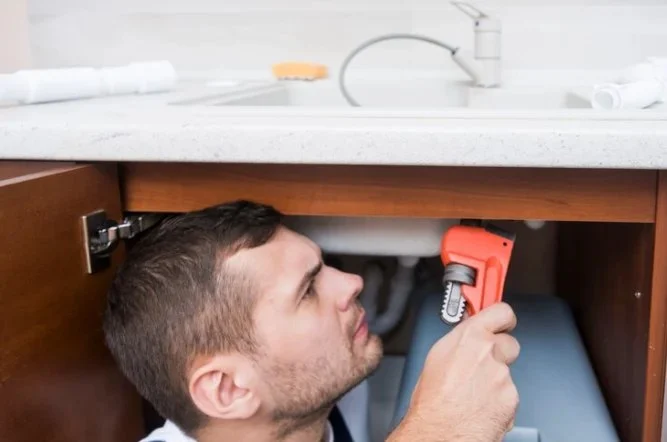
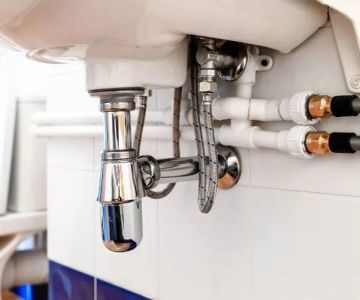
Check under sinks for moisture, warped cabinetry, or discoloration. Inspect around toilets and bathtubs for soft flooring or peeling caulk.
4.2 Outdoor Hose Bibs and Irrigation Lines
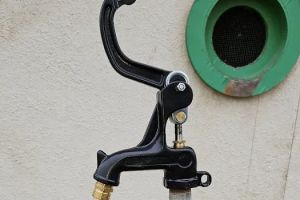
These are often overlooked. If the ground around an outdoor spigot is consistently damp or water pressure is inconsistent, there may be a cracked pipe underground.
4.3 Crawlspaces and Basements
Look for signs of pooled water, mineral deposits on concrete (a sign of slow leaks), or white crusty buildup (efflorescence) on walls. These subtle signs are often overlooked until serious damage sets in.
5. Tech Tools and DIY Leak Detection
5.1 Use Infrared Thermography
Thermal imaging cameras can detect cooler areas caused by evaporating moisture. While not everyone owns one, many U.S. hardware stores rent them out for under $30/day.
5.2 Moisture Meters and Leak Alarms
Handheld moisture meters can detect elevated water content in wood and drywall. Leak alarms placed near water heaters or under sinks will alert you at the first sign of trouble.
You can explore a full range of leak-detection products on PlumberNear, including affordable smart sensors that connect to your phone.
6. Call a Professional When Needed
If you’ve checked all the basics and still suspect a problem, it’s time to bring in a certified plumber. Many hidden water leaks require acoustic listening equipment or pressure testing, which only professionals have access to.
For urgent or complex jobs, licensed pros available through PlumberNear can help pinpoint leaks with minimal wall damage and get repairs done quickly.
7. Real Case: Florida Home Saved from Costly Damage
In March 2024, a Tampa homeowner noticed their water bill doubled over two months. There were no visible leaks, but a hissing sound behind a wall tipped them off. A professional used an acoustic sensor to locate a ruptured copper pipe between the kitchen and garage.
By catching it early, the owner avoided thousands in flood restoration. The leak detection cost less than $300—a small price for peace of mind. This real story highlights how important proactive action can be when you're dealing with hidden water issues.
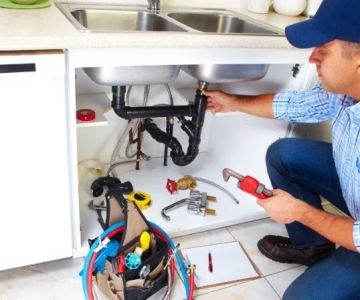
 Guarded Plumbing LLC4.0 (21 reviews)
 J&C Plumbing and Sewer Service, Inc.4.0 (272 reviews)
 Gould Plumbing & Heating4.0 (37 reviews)
 Order A Plumber Inc.5.0 (3 reviews)
 Blanchard Oil Company4.0 (51 reviews)
 Fairfax Electric Plumbing-Gas4.0 (160 reviews)
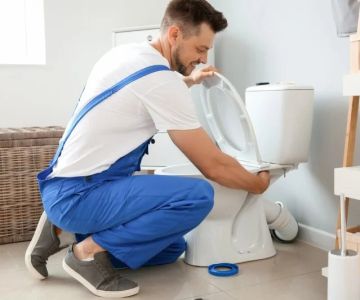
 Beginner's Guide to Installing a New Toilet: Step-by-Step Tips
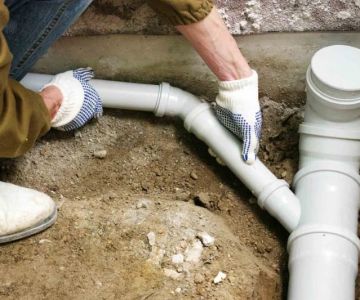
 Signs You Need Sewer Line Backups Resolved Immediately
 How to Fix and Unclog a Bathtub Drain Like a Pro
 Step-by-Step Guide to Clogged Drains and How to Fix Them
 Is It Safe to Installing a New Toilet
 How Often Should You Check Low Water Pressure in Your Home