
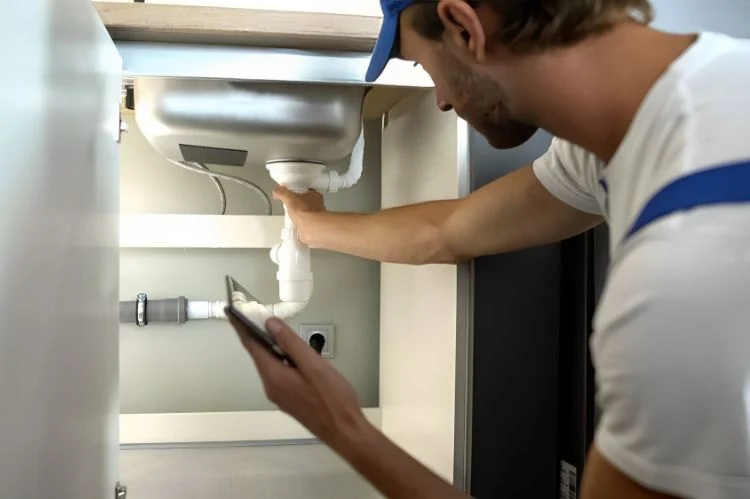
Should I Replace or Repair Detecting a Hidden Water Leak?
- 1. Signs of a Hidden Water Leak
- 2. Why Do Water Leaks Happen?
- 3. How to Detect a Hidden Water Leak
- 4. Repair or Replace: What’s Best for Your Situation?
- 5. DIY vs. Professional Help for Water Leak Issues
- 6. How to Prevent Future Water Leaks
1. Signs of a Hidden Water Leak
Hidden water leaks can cause significant damage to your home, and identifying them early is crucial to preventing costly repairs. Here are some common signs of a hidden water leak:
- Increased water bills: A sudden spike in your water bill without an apparent increase in usage could indicate a hidden leak.
- Water stains: Brown or yellowish stains on ceilings or walls often point to a hidden leak above.
- Mold or mildew: Mold growth in areas like bathrooms, basements, or kitchens can be a sign of persistent moisture from a hidden leak.
- Musty odor: A musty smell, especially in enclosed areas, often signals water damage behind walls or floors.
- Sound of running water: Hearing water running when no taps are turned on can be a sign of a leak in your pipes.
2. Why Do Water Leaks Happen?
Water leaks can occur for several reasons, and understanding the root cause is important when deciding whether to repair or replace the affected pipes or fixtures:
- Aging pipes: Over time, pipes corrode, crack, or break, leading to leaks, especially in older homes with galvanized steel or copper plumbing.
- Shifting foundation: Changes in the foundation, such as settling or shifting, can cause pipes to crack or become misaligned.
- High water pressure: Excessively high water pressure can put stress on pipes, leading to leaks at weak points.
- Tree roots: Tree roots can infiltrate underground pipes, causing blockages or cracks that lead to leaks.
3. How to Detect a Hidden Water Leak
Detecting a hidden water leak can be tricky, but there are several methods you can use to pinpoint the source:
- Use a water meter: Turn off all water appliances, check your water meter, and wait for an hour. If the meter reading changes, you likely have a leak.
- Check for moisture: Look around your home for areas of unusual moisture, such as damp walls or floors, particularly near water lines.
- Listen for running water: Pay attention to sounds of water running in your walls or floorboards when no water is being used.
- Infrared thermography: Some professionals use infrared cameras to detect temperature changes caused by leaking water behind walls.
4. Repair or Replace: What’s Best for Your Situation?
When dealing with a hidden water leak, you may wonder whether you should repair the affected area or replace the pipes altogether. The decision depends on several factors:
- Extent of damage: If only a small portion of the pipe is damaged, repairing the leak may be sufficient. However, if the pipe is severely corroded or cracked, replacing it may be more cost-effective in the long run.
- Age of plumbing: Older plumbing systems may require replacement, especially if there are multiple leaks or frequent issues.
- Location of the leak: Leaks in hard-to-reach or buried areas might require pipe replacement, while surface-level leaks can often be repaired.
5. DIY vs. Professional Help for Water Leak Issues
While some homeowners may attempt to repair minor water leaks themselves, it’s often best to seek professional help for hidden leaks:
- DIY: For simple leaks, such as a loose faucet or a minor pipe joint leak, you may be able to fix it yourself using plumbing tools and sealants.
- Professional help: For hidden leaks, leaks within walls or under the foundation, or major pipe replacements, it’s highly recommended to hire a licensed plumber. They have the tools and experience to find and repair the issue efficiently and safely.
6. How to Prevent Future Water Leaks
To prevent future leaks, it’s important to maintain your plumbing system regularly:
- Regular inspections: Schedule annual inspections of your plumbing system to catch potential issues before they become major problems.
- Maintain water pressure: Install a water pressure regulator to ensure your pipes aren’t under excessive pressure, which can lead to leaks.
- Seal cracks: Seal any visible cracks or gaps around pipes to prevent moisture from seeping in and causing further damage.
- Proper insulation: Insulate pipes to protect them from freezing during the winter, which can cause pipes to burst.
If you’re dealing with a hidden water leak or need help deciding whether to repair or replace your plumbing, visit PlumberNear for professional advice and the best plumbing services in your area.
 Plumber On The Way4.0 (455 reviews)
 PrimeLine Plumbers5.0 (1 reviews)
 Z Plumberz of New Haven5.0 (115 reviews)
 Victor Sewer & Drain Services5.0 (382 reviews)
 United Sewer & Water, LLC.5.0 (27 reviews)
 Tates Heating and Plumbing LLC4.0 (10 reviews)
 When Should You Call a Plumber for Water Damage in Your Bathroom? | PlumberNear
 Avoid These Mistakes When Fixing a Leaking Faucet
 How to Fix Understanding Plumbing Codes: A Step-by-Step Guide for Homeowners
 What Causes and Prevents Winter Plumbing Issues in U.S. Homes
 Expert Advice on Low Water Pressure: Causes and Solutions
 Beginner's Guide to Detecting a Hidden Water Leak