
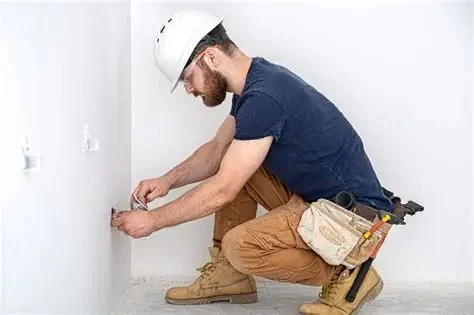
How to Repair a Broken Pipe Inside a Wall: A DIY Guide
- understanding-the-cause-of-pipe-breaks - common-reasons-for-pipes-breaking-inside-walls
- how-to-identify-a-broken-pipe-in-the-wall - signs-of-a-pipe-leak-in-the-wall
- step-by-step-guide-to-fixing-broken-pipe - repairing-pipes-inside-walls
- important-tools-and-safety-tips - essential-plumbing-tools-and-safety-precautions
- when-to-call-a-professional-plumber - knowing-when-to-seek-expert-help
Understanding the Cause of Pipe Breaks Inside Walls
When a pipe inside your wall breaks, it’s usually due to a few key factors. Freezing temperatures, old or corroded pipes, or high water pressure can all contribute to cracks or bursts. Understanding these causes can help you prevent future issues and recognize early signs of trouble. For instance, frozen pipes are more common in colder climates, while old galvanized steel pipes are prone to corrosion, leading to weakness over time.
1. Freezing Temperatures and Expansion
If you live in a colder climate, freezing temperatures can cause the water inside the pipes to expand, putting pressure on the pipe walls. This can lead to a break or crack, especially in uninsulated areas such as exterior walls. Ensuring proper insulation around pipes can help reduce the risk of this issue.
2. Aging and Corroded Pipes
Pipes age over time, and materials such as steel or copper can corrode, weakening the pipe’s structure. If your home has older plumbing, this could be a contributing factor to a break. Regular inspection and maintenance can help prevent such issues from escalating into full-blown leaks.
How to Identify a Broken Pipe Inside a Wall
Detecting a broken pipe in the wall can be tricky, but there are a few common signs that suggest you may have a leak. The sooner you address the issue, the less likely you are to experience major water damage or mold growth.
1. Wet Spots or Stains on the Wall
One of the most noticeable signs of a broken pipe is water stains or wet patches on your wall. These spots may be discolored or damp to the touch. If you notice such stains, it’s important to address the issue immediately to prevent further damage.
2. Unexplained Increase in Water Bills
If your water bills have suddenly spiked without a clear explanation, a hidden leak inside your wall might be the culprit. This can happen because the water is continuously flowing through the damaged pipe, even though it’s not visible on the surface.
3. Reduced Water Pressure
Another sign of a broken pipe is reduced water pressure. If water pressure drops in multiple faucets or the flow becomes inconsistent, there may be a leak somewhere in your plumbing system.
Step-by-Step Guide to Fixing a Broken Pipe Inside a Wall
If you’ve identified a broken pipe inside your wall, fixing it may require a bit of effort, but it is entirely doable with the right tools and knowledge. Here’s a step-by-step guide to repairing a broken pipe:
1. Turn Off the Water Supply
The first thing you must do is shut off the water supply to your home. This will stop the water from flowing into the damaged pipe and causing more flooding or damage. Locate your home’s main water shut-off valve and turn it off completely.
2. Locate the Pipe Break
Once the water supply is turned off, you need to locate the exact location of the pipe break. Depending on where the pipe is situated, you may need to cut through the drywall to access the damaged pipe. Mark the area you plan to cut carefully and use a drywall saw to create an opening. Make sure you have the appropriate tools to avoid damaging surrounding structures.
3. Repair the Pipe
There are several ways to repair a broken pipe, depending on the extent of the damage. For small cracks or leaks, you can use a pipe repair clamp or epoxy putty. For larger breaks, you may need to replace the damaged section of pipe entirely. When replacing a section, use the same type of pipe material, such as PVC or copper, and ensure the connection is properly sealed to prevent future leaks.
4. Test the Repair
After repairing the pipe, it’s important to test the repair before sealing the wall. Turn the water supply back on and check for any signs of leaks. If you notice water leaking, you may need to tighten the fittings or replace the section again. Once you’re confident the pipe is fixed, you can seal the drywall and restore your wall to its original state.
Important Tools and Safety Tips for Pipe Repair
Having the right tools and taking the proper precautions will make the repair process smoother and safer.
1. Essential Tools for Pipe Repair
To fix a broken pipe inside a wall, you’ll need basic plumbing tools such as pipe wrenches, pipe cutters, plumbing tape, repair clamps, and epoxy putty. A drywall saw will also be necessary for cutting through the wall. Make sure you have these tools on hand before starting the repair.
2. Safety First
When performing any plumbing repair, safety is crucial. Always wear gloves and safety goggles to protect yourself from debris and sharp edges. If you’re working with older pipes, be cautious of any asbestos materials that may be present.
When to Call a Professional Plumber
While fixing a broken pipe inside a wall is something you can do yourself, there are times when calling a professional plumber is the best option. If you’re not confident in your ability to fix the pipe, or if the damage is extensive, a licensed plumber can ensure the job is done correctly and safely.
1. Extensive Damage
If the broken pipe is part of a larger plumbing issue, or if the wall damage is significant, it may be best to call in a professional. A plumber will have the tools and expertise to replace the pipe without causing additional damage.
2. Persistent Leaks
If you continue to notice leaks or water damage after attempting the repair, don’t hesitate to call a plumber for further assistance. Persistent issues can sometimes indicate a more complex problem that requires professional attention.
Fixing a broken pipe inside a wall doesn’t have to be intimidating. With the right tools and a little bit of effort, you can resolve the issue quickly and effectively. If you’re looking for more help or advice on handling plumbing repairs, visit Local Practice Dentistry to find local services and expert assistance.
 Plumbline Plumbers4.0 (16 reviews)
 Aguilar Plumbing inc4.0 (24 reviews)
 Steve Hoegler Plumbing, LLC5.0 (1 reviews)
 Un stop drains llc5.0 (8 reviews)
 Spencer & Son Plumbing4.0 (11 reviews)
 Roto-Rooter York4.0 (93 reviews)
 How Long Does It Take for Water Damage to Occur in Your Bathroom?
 Is It Safe to Detect a Hidden Water Leak? Expert Guide on Leak Detection
 When Should You Call a Plumber for Preventing Winter Plumbing Issues | PlumberNear
 How to Fix a Blocked Sewer Line: Tips and Professional Help
 Top Tips for Preventing Winter Plumbing Issues
 What Causes Frozen Pipes and How to Prevent Them