
Why Is My Kitchen Sink Not Draining? Causes and Solutions for Clogged Drains
- 1. Common Causes of Kitchen Sink Clogs
- 2. How to Diagnose the Clog in Your Kitchen Sink
- 3. Steps to Fix a Clogged Kitchen Sink
- 4. When to Call a Plumber for a Clogged Sink
- 5. Preventing Future Kitchen Sink Clogs
1. Common Causes of Kitchen Sink Clogs
If your kitchen sink is not draining, there could be several reasons behind the clog. Understanding the common causes can help you diagnose the issue before you take action:
1. Food Scraps: One of the most common causes of kitchen sink clogs is food scraps. While it’s tempting to rinse leftover food down the drain, doing so can cause buildup inside your pipes, leading to blockages. Even small bits of grease, oil, or food can accumulate over time and obstruct the flow of water.
2. Grease and Fat: Pouring grease or fatty substances down the kitchen sink is another major cause of clogs. These materials solidify as they cool, creating thick, sticky deposits inside the pipes that can cause serious blockages.
3. Soap Scum: Soap residue can build up in the drain, especially when combined with hard water. Over time, soap scum can create a thick layer that obstructs water flow.
4. Foreign Objects: Sometimes, small objects like utensils, bottle caps, or pieces of glass may accidentally fall into the drain and cause a blockage. These objects can cause the water to back up in your sink.
Lawrence Plumbing And Heating / lawrence plumbing
708 E Lake Ave, Baltimore, MD 21212, USA
2. How to Diagnose the Clog in Your Kitchen Sink
Before you can fix the problem, it’s essential to diagnose the clog. Here are some ways to determine what might be causing the issue:
1. Check for Standing Water: The first sign of a clogged kitchen sink is usually standing water in the basin. If you see water pooling, it’s likely that the drain is blocked somewhere in the system.
2. Check the Garbage Disposal: If you have a garbage disposal, check it for any signs of a clog. Sometimes, a jammed disposal unit can prevent water from draining. You can try to manually clear the disposal or use the reset button to restart it.
3. Use a Plunger: If you don’t have a garbage disposal or if the water isn’t draining from the sink, try using a plunger. Cover the drain opening with a wet cloth, place the plunger over the drain, and apply pressure. A few plunges may dislodge the clog.
4. Inspect the Pipes: If the clog isn’t at the surface level, you may need to inspect the pipes underneath your sink. Look for any visible blockages or signs of leaks. A pipe wrench can be used to carefully remove the drain trap for a closer look.

Bill Trombly Plumbing - Heating - Cooling - Electric / jim trombly heating
ManchesterHillsborough CountyNew Hampshire
76 Maple St, Manchester, NH 03103, USA
3. Steps to Fix a Clogged Kitchen Sink
If you've identified the cause of your kitchen sink’s drainage issue, follow these steps to fix it:
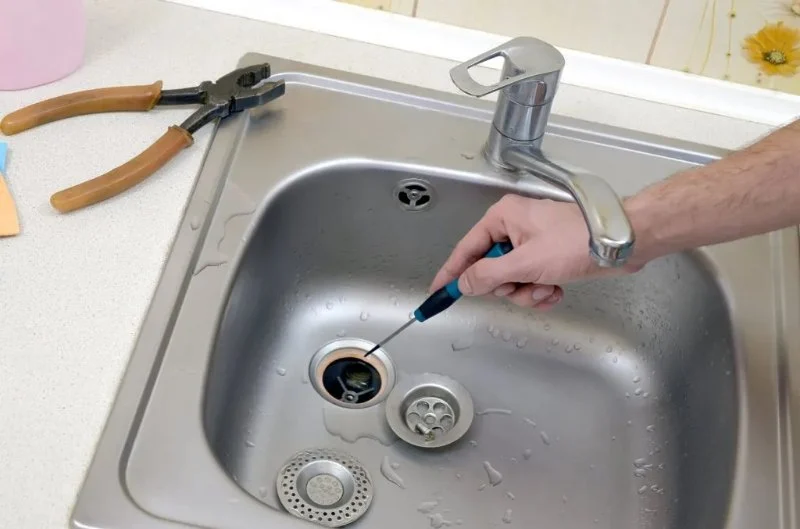
1. Clear the Garbage Disposal: If you have a garbage disposal, first ensure it’s turned off. If the disposal is jammed, use tongs or pliers to remove any debris. You can also use an allen wrench to manually turn the blades and free up the obstruction.
2. Use a Plunger: If the sink is still clogged, use a plunger. Place the plunger over the drain, ensuring there is a good seal, and plunge vigorously for 30 seconds. This can help break up the clog in the drain pipes.
3. Try a Drain Snake: A drain snake is a long, flexible tool that can be used to reach further down into the drain to remove the blockage. Insert the snake into the drain and twist it to hook onto the debris. Pull it out to clear the clog.
4. Use Baking Soda and Vinegar: If you’re looking for a more natural solution, try pouring half a cup of baking soda followed by half a cup of vinegar down the drain. Let it sit for about 15-20 minutes and then flush it with hot water. This mixture can help break down grease and food particles in the drain.
4. When to Call a Plumber for a Clogged Sink
While many kitchen sink clogs can be resolved with DIY methods, there are times when it’s best to call in a professional plumber:
1. Persistent Clogs: If you’ve tried the above methods and the clog is still there, it could be due to a deeper issue within your pipes. Professional plumbers have specialized tools that can remove more serious blockages.
2. Pipe Damage: If you suspect that your pipes are damaged, cracked, or rusted, it’s crucial to call a plumber. Attempting to fix this yourself could make the problem worse and cause expensive damage to your plumbing system.
3. Recurrent Clogs: If your sink keeps clogging, even after repairs, it could indicate a larger, underlying issue that needs professional attention, such as tree root intrusion or deteriorating pipes.
5. Preventing Future Kitchen Sink Clogs
To avoid future drainage problems, consider implementing these preventative measures in your kitchen:
1. Scrape Plates Before Washing: Always scrape food debris into the trash before washing dishes to prevent clogging the drain with food particles.
2. Avoid Pouring Grease Down the Sink: Never pour grease, oil, or fat down your kitchen sink. Instead, collect it in a container and dispose of it in the trash.
3. Use a Drain Strainer: Install a drain strainer in your kitchen sink to catch food particles, soap scum, and other debris that can cause clogs.
4. Regularly Clean Your Drains: Clean your kitchen sink drains regularly using natural methods like baking soda and vinegar, or by using a drain cleaner to ensure they stay clear of buildup.
If you encounter any persistent drainage issues or need expert plumbing advice, visit Total Roofing Hub for plumbing supplies and services that can help resolve all your kitchen plumbing needs.


 Pinnacle Plumbing & Heating, Inc.0.0 (0 reviews)
 LoSchiavo Plumbing & Piping Inc4.0 (2 reviews)
 Majestic Sewer & Drain Cleaning3.0 (22 reviews)
 Catons Plumbing, Drains & Water Cleanup4.0 (1522 reviews)
 Pinnacle Plumbing & Heating4.0 (8 reviews)
 scott & mike's plumbing4.0 (35 reviews)
 How Often Should You Water Damage in Your Bathroom: Prevention and Maintenance Tips
 Signs You Need Sewer Line Backups: What to Look For and How to Prevent Them
 When Should You Call a Plumber? Tips for Finding a Reliable Plumber Near You
 How to Clean and Maintain Your Sump Pump for Reliable Performance
 Cost to Repair a Cracked Sewer Line: What Homeowners Pay
 How to Install a Water Heater: A Step-by-Step Guide for Homeowners