
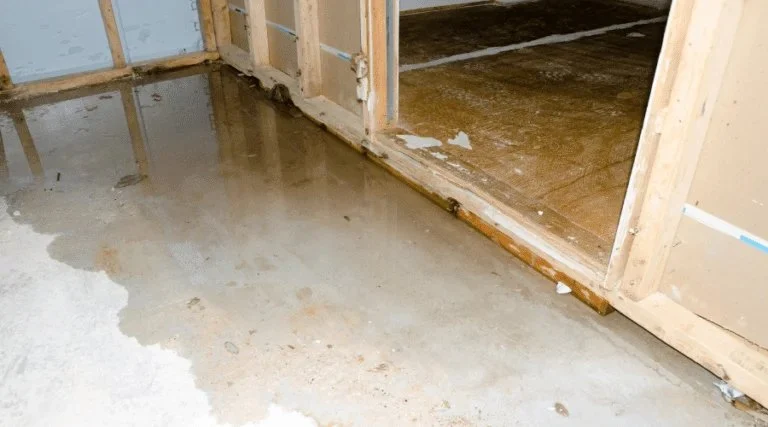
What Causes Slab Leak Under House?
Slab leaks can be one of the most serious plumbing issues a homeowner can face. A slab leak occurs when the water pipes beneath the concrete foundation of your home crack or break, causing water to leak into the surrounding area. If left unaddressed, slab leaks can lead to significant water damage, mold growth, and expensive repairs. But what exactly causes these leaks, and how can you detect and fix them before they become a bigger problem? In this article, we will explore the common causes of slab leaks, how to identify them, and what steps you should take to prevent or repair them.
- Common Causes of Slab Leaks
- How to Detect a Slab Leak
- Signs of a Slab Leak
- Steps to Prevent Slab Leaks
- How to Repair a Slab Leak
Common Causes of Slab Leaks
Slab leaks can occur for a variety of reasons, often due to issues with the plumbing system, the foundation, or the soil beneath your home. Understanding the causes of slab leaks is the first step in preventing and repairing them:
Corrosion of Pipes
One of the most common causes of slab leaks is the corrosion of metal pipes, particularly those made of copper. Over time, water flow and soil conditions can cause the metal to corrode and weaken, eventually leading to a rupture or leak. Homes with older plumbing systems are especially prone to this issue, as the pipes may have deteriorated over the years.
Shifting Foundation
The foundation of your home can shift over time due to changes in soil moisture, temperature, or natural settling. As the foundation moves, it can put pressure on the pipes running beneath the slab, causing them to crack or break. Shifting foundations are often the result of expansive soils or poor construction techniques.
High Water Pressure
Excessive water pressure can place a great deal of stress on your plumbing system. Over time, the increased pressure can cause the pipes beneath the slab to weaken and eventually leak. It’s important to monitor your home’s water pressure and ensure it stays within a safe range, as high water pressure can lead to not only slab leaks but also other plumbing issues.
Poor Installation of Pipes
If the plumbing system was poorly installed when the house was built, it could increase the risk of slab leaks. Issues like improper pipe alignment, sharp bends, or the use of inferior materials can all contribute to the development of leaks beneath the foundation. It’s essential to ensure that plumbing is installed correctly during the construction process to minimize future problems.
Earthquake and Shock
In areas that are prone to seismic activity, earthquakes or ground shocks can cause pipes beneath the slab to crack or break. The shifting ground caused by an earthquake can place sudden, intense pressure on plumbing systems, leading to slab leaks in homes located in earthquake-prone regions.
How to Detect a Slab Leak
Detecting a slab leak early is crucial to prevent extensive damage to your home. Here are some common methods to detect a slab leak:
Increased Water Bills
One of the earliest signs of a slab leak is a sudden spike in your water bill. If you notice a significant increase in your monthly water costs without any change in usage, it could be an indication that water is leaking under your home’s slab.
Water Damage on Floors
Another sign of a slab leak is the appearance of water damage or pooling water on the floor, especially in areas where the plumbing runs. You might notice wet spots on your floors or even damage to carpets and flooring materials. If this happens, it’s important to investigate further, as this could indicate a slab leak.
Low Water Pressure
Slab leaks can reduce the pressure of your water supply, especially if the leak is large. If you notice a significant drop in water pressure, it could be a sign that there is a leak beneath your slab, causing the water flow to be interrupted.
Sounds of Running Water
If you hear the sound of running water when no faucets are on, it could be a sign of a hidden slab leak. These sounds often come from pipes running underneath the house, and they may be audible in certain areas when the leak is substantial enough.
Signs of a Slab Leak
In addition to the detection methods mentioned above, there are some additional signs that you may have a slab leak:
Cracks in Walls or Floors
Slab leaks can cause your foundation to shift, which may result in visible cracks in your walls or floors. If you notice new cracks appearing around doors, windows, or walls, it could be an indication of a slab leak causing movement in your home’s foundation.
Mold and Mildew Growth
Persistent moisture from a slab leak can create the perfect conditions for mold and mildew growth. If you detect an unusual musty smell in your home or notice visible mold growth on your walls, floors, or ceilings, it’s crucial to address the issue quickly to prevent further damage and health hazards.
Steps to Prevent Slab Leaks
Preventing slab leaks is essential for avoiding costly repairs and water damage. Here are some steps you can take to reduce the risk of a slab leak:
Monitor Water Pressure
Ensure that your home’s water pressure stays within a safe range (generally between 40 and 60 psi). You can install a pressure regulator if your water pressure is too high. Keeping the pressure at safe levels will prevent stress on your pipes, reducing the likelihood of leaks.
Maintain Your Foundation
Regularly monitor the condition of your foundation, especially if you live in an area with expansive soils or in regions prone to earthquakes. Ensure that your home’s foundation remains level and stable to prevent undue pressure on the pipes running beneath it.
Inspect Your Pipes
If you live in an older home with aging pipes, consider having a professional plumber inspect your plumbing system. Replacing old, corroded pipes before they break can save you from the headaches of dealing with slab leaks later on.
How to Repair a Slab Leak
If you suspect or discover a slab leak, it’s essential to call a professional plumber as soon as possible. Slab leak repair typically involves one of the following methods:
Slab Leak Repair Methods
- Repiping: This method involves replacing the damaged pipe under the slab with a new pipe. It may require excavation, which can be a costly but effective solution.
- Slab Leak Detection: Advanced technology like acoustic sensors, infrared cameras, and electronic leak detection can be used to locate and identify the exact location of the leak, minimizing damage during the repair process.
- Epoxy Injection: In some cases, epoxy injection may be used to seal the leak temporarily until a more permanent solution can be implemented.
Conclusion
Slab leaks are serious plumbing issues that can cause significant water damage and lead to costly repairs. By understanding the common causes of slab leaks, being aware of the signs, and taking preventive measures, you can protect your home from the damaging effects of slab leaks. If you notice any signs of a slab leak, it’s essential to consult a professional plumber to assess the situation and recommend the best course of action for repair.

 Roto-Rooter Plumbing & Water Cleanup5.0 (104 reviews)
 S.D.R. Plumbing & Heating, Inc.4.0 (61 reviews)
 Mullin Services LLC4.0 (12 reviews)
 Unlimited Plumbing & Piping, LLC3.0 (49 reviews)
 Saback Plumbing and Heating5.0 (18 reviews)
 E.W. Mainhart LLC4.0 (8 reviews)
 Why Is My Toilet Bubbling When I Run the Sink? Causes and Solutions
 Cost to Repair a Cracked Sewer Line: What Homeowners Pay
 Should I Replace or Repair Detecting a Hidden Water Leak
 How to Fix Unclogging a Bathtub Drain
 How to Safely Understand Plumbing Codes | Plumbing Code Compliance for Homeowners
 Ultimate Guide to Unclogging a Bathtub Drain | Step-by-Step Solutions