PlumberNear
PlumberNearPlumbing TipsPlumber Near Me
ConnecticutMarylandMassachusettsNew JerseyNew YorkPennsylvaniaVermont
PlumberNearPlumbing Tips

What Causes Plumbing Pipes to Corrode? Common Causes and Prevention Tips

What Causes Plumbing Pipes to Corrode? Common Causes and Prevention Tips

1. What Is Plumbing Pipe Corrosion and Why Does It Happen?

Plumbing pipe corrosion refers to the gradual degradation of metal pipes caused by chemical reactions between the metal, water, and other substances present in the environment. This process is often slow but can lead to leaks, water contamination, and eventually costly repairs. Understanding why pipes corrode is the first step in preventing long-term damage.What Causes Corrosion?: Corrosion occurs when the metal of the pipes reacts with elements such as oxygen, water, or chemicals in the water. Over time, this reaction weakens the structure of the pipe, making it more prone to leaks and breakage.Types of Pipes Affected: Different types of pipes are more susceptible to corrosion. For instance, older galvanized steel pipes are prone to rusting, while copper pipes are more likely to corrode from acidic water.

2. Common Causes of Pipe Corrosion

Several factors contribute to the corrosion of plumbing pipes, including the material of the pipes, the quality of the water, and environmental factors. Below are the most common causes:Water Quality: Water with high levels of chlorine, acidity, or hardness can accelerate the corrosion of pipes. Acidic water (pH below 7) can cause copper pipes to corrode quickly, while hard water can lead to mineral build-up that weakens pipes.Electrolysis: Electrolysis occurs when electrical currents pass through water pipes, especially in homes with electrical systems that are improperly grounded. This can cause metal pipes to corrode at a faster rate.Age of Pipes: Older homes may have galvanized steel or cast iron pipes, which are more prone to corrosion. Over time, these materials naturally deteriorate, leading to leaks and plumbing issues.Poor Installation: Pipes that are poorly installed, such as those with improper joints or inadequate support, are more likely to corrode prematurely.

3. How to Prevent Pipe Corrosion

While some factors like water quality may be out of your control, there are several ways to prevent or slow down the corrosion of your plumbing pipes:Water Treatment: Installing a water softener or a filtration system can help reduce the hardness of the water, preventing mineral buildup. If you have acidic water, consider installing a neutralizing filter to balance the pH levels.Regular Inspections: Regular plumbing inspections can catch signs of early corrosion before they become serious problems. A plumber can check for leaks, rust, or unusual deposits that may indicate corrosion.Protective Coatings: Applying a protective coating to metal pipes can help prevent corrosion. This is especially effective in areas with high moisture levels, such as basements or crawl spaces.Upgrade to PEX or Copper: If your home still has galvanized steel pipes, consider replacing them with modern materials like PEX or copper, which are less prone to corrosion.

4. Signs of Corroded Pipes in Your Home

It's important to recognize the early signs of corroded pipes to avoid significant plumbing damage. Watch out for the following warning signs:Discolored Water: If your water turns brown or yellow, it could indicate rust or sediment from corroding pipes.Frequent Leaks: Corroded pipes are more likely to leak, which can cause water damage to your home. Keep an eye out for wet spots on walls or ceilings.Low Water Pressure: Corrosion can cause blockages in your pipes, leading to reduced water flow. If you notice a decrease in water pressure, it could be due to rust or mineral buildup.Unusual Odors: Foul-smelling water can be a sign of bacteria growing inside corroded pipes. This is a health hazard and should be addressed immediately.

5. What to Do If Your Pipes Are Corroded

If you suspect that your pipes are corroded, it’s important to take immediate action to prevent further damage:Consult a Professional: A licensed plumber can assess the extent of the corrosion and recommend solutions, such as pipe replacement or repairs.Replace Damaged Pipes: In some cases, the damage caused by corrosion may be too severe to repair. Replacing old, corroded pipes with new, corrosion-resistant materials can save you money in the long run and prevent future issues.Consider a Full Plumbing Overhaul: If you live in an older home with widespread corrosion, you may want to consider a full plumbing overhaul. Replacing all aging pipes with modern materials like PEX or CPVC can improve the efficiency of your plumbing system.

6. Real-Life Cases and Solutions for Pipe Corrosion
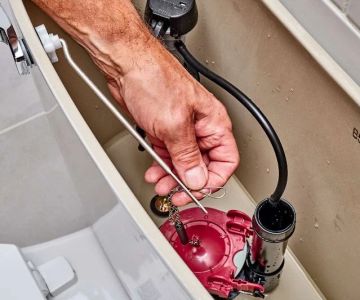
Here are a couple of real-life examples of how homeowners dealt with corroded pipes:Case Study 1 – Susan’s Galvanized Steel Pipes: Susan’s home was built in the 1960s and had galvanized steel pipes that were severely corroded. After noticing discolored water and frequent leaks, she consulted a plumber who recommended replacing the pipes with PEX. The new pipes improved water flow, eliminated leaks, and solved the rust issue.Case Study 2 – John’s Hard Water Problem: John’s home had hard water, which caused mineral buildup in his pipes, leading to corrosion and reduced water pressure. After installing a water softener and regularly cleaning his pipes, John was able to reduce corrosion and extend the life of his plumbing system.

Trending Blog Articles

Popular Blog Posts

Categories

Top Visited Sites

Must-Read Plumbing Tips Posts

Top Plumber Searches

Trending Plumbing Tips Posts