
How Much Does It Cost to Install an Outdoor Plumbing Line?
- 1. Factors Affecting the Cost of Installing an Outdoor Plumbing Line
- 2. Average Costs for Outdoor Plumbing Line Installation
- 3. Additional Expenses to Consider in Outdoor Plumbing Projects
- 4. Tips for Saving on Outdoor Plumbing Installation
- 5. Common Questions About Installing Outdoor Plumbing Lines
1. Factors Affecting the Cost of Installing an Outdoor Plumbing Line
The cost to install an outdoor plumbing line can vary significantly depending on several factors. Understanding these factors can help you get a more accurate estimate and better prepare for your project. Some key factors include:
- Distance: The longer the plumbing line, the higher the cost. Plumbing pipes need to be laid underground, and longer distances require more materials and labor.
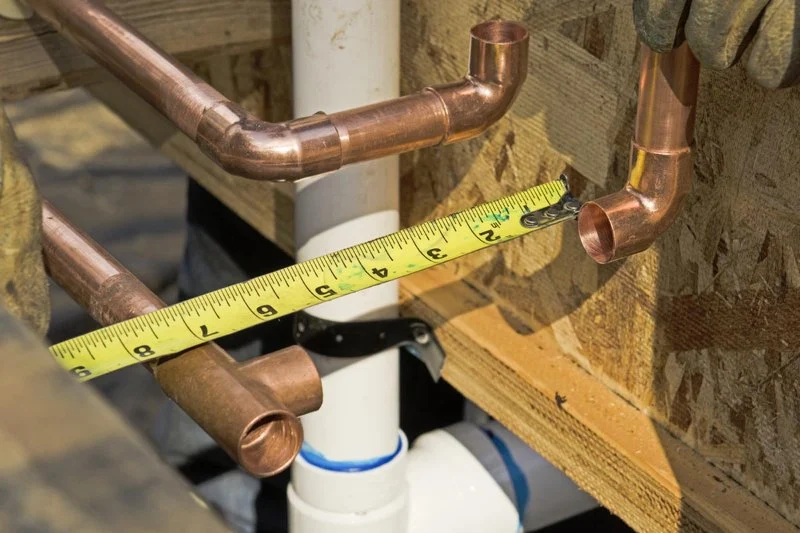
- Type of Pipes: The material of the pipes you choose, such as PVC, copper, or PEX, can affect the overall cost. Copper pipes are typically more expensive than plastic options like PVC.
- Location: If your home is located in a rural area or if the terrain is difficult, the installation process may be more complicated, increasing the cost.
- Labor Costs: Labor prices can vary by location and the complexity of the project. Urban areas with higher living costs often have higher labor fees.
- Permits: Some areas require permits for outdoor plumbing installation. The cost of obtaining the necessary permits can add to your overall budget.
2. Average Costs for Outdoor Plumbing Line Installation
The average cost to install an outdoor plumbing line typically ranges from $1,000 to $5,000, depending on the factors mentioned above. Here’s a breakdown of what you might expect:
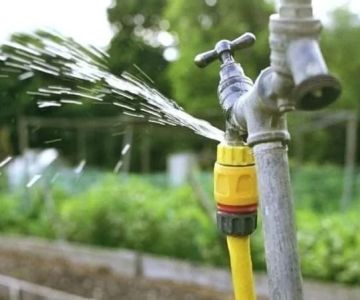
- Basic Installations: For a simple outdoor plumbing line installation, such as a hose bib or irrigation system, costs usually range from $1,000 to $2,500.
- Advanced Installations: Installing more complex systems, like a sewer line or water supply line for an outdoor kitchen or bathroom, can range from $2,500 to $5,000 or more.
- Additional Costs: Adding extra features like drainage systems or specialized pipes may increase the overall price.
3. Additional Expenses to Consider in Outdoor Plumbing Projects
In addition to the basic installation costs, there are other expenses to consider when planning your outdoor plumbing project:
- Excavation Costs: If the installation requires digging up a large area of your yard, excavation can significantly add to the cost. Some projects may require heavy machinery for trenching, which increases labor costs.
- Soil Conditions: Rocky or hard soil will make the digging process more difficult and expensive. If you need specialized equipment to break through tough soil, expect an increase in your overall cost.
- Repairs to Landscaping: Once the plumbing installation is complete, you may need to repair or replace landscaping that was disturbed during the digging process. This can add to your budget.
4. Tips for Saving on Outdoor Plumbing Installation
While outdoor plumbing installation can be expensive, there are ways to save money:
- Get Multiple Quotes: Always get quotes from several plumbing contractors to compare prices and services. This will help you find the best deal.
- DIY Trenching: If you're comfortable with some DIY work, you may be able to dig the trench yourself to save on labor costs. Just make sure you’re following local regulations regarding trenching.
- Choose PVC Pipes: PVC pipes are one of the most affordable materials for plumbing, and they’re suitable for most outdoor projects. Opting for PVC over copper can save you a significant amount.
- Plan in Advance: Avoid rushing your project. Planning and preparing for the installation in advance can help you avoid last-minute costs and complications.
5. Common Questions About Installing Outdoor Plumbing Lines
If you're considering installing an outdoor plumbing line, you may have some questions. Here are answers to some of the most frequently asked questions:
- Do I need a permit for outdoor plumbing? Yes, many municipalities require permits for outdoor plumbing installations, especially if the plumbing is connected to the main water or sewer line.
- How deep does the outdoor plumbing need to be? Outdoor plumbing pipes are typically buried at least 18-24 inches deep to protect them from freezing and other environmental factors.
- How long will the installation take? Depending on the complexity of your project, the installation could take anywhere from a few days to a week or more.
- Can I install outdoor plumbing myself? While some simple installations, like a hose bib, can be done yourself, most outdoor plumbing projects require professional help to ensure they’re done safely and according to local codes.
 Catonsville Professional Services4.0 (16 reviews)
 Cashman Plumbing and Heating LLC5.0 (5 reviews)
 Lore's Septic Services4.0 (7 reviews)
 Todd Brothers Plumbing4.0 (56 reviews)
 JP Plumbing4.0 (42 reviews)
 M J Yonkowski Plumbing & Heating3.0 (6 reviews)
 Avoid These Mistakes When Diagnosing Plumbing Noises
 Best Ways to Understand Plumbing Codes
 Step-by-Step Guide to Low Water Pressure: Causes and Solutions
 Why Preventing Winter Plumbing Issues Is a Must for Every Homeowner
 Should I Replace or Repair? Understanding Plumbing Codes in Your Home
 Avoid These Mistakes When Finding a Reliable Plumber