
What a Leaking Flush Valve Is Really Telling You About Your Toilet
- #how-a-toilet-flush-valve-leak-starts
- #signs-your-flush-valve-is-the-real-problem
- #most-common-reasons-a-flush-valve-begins-leaking
- #how-to-check-the-flush-valve-step-by-step
- #when-a-simple-fix-is-enough-and-when-it-is-not
- #how-to-prevent-future-toilet-flush-valve-leaks
How a Toilet Flush Valve Leak Usually Starts
If you have been asking yourself, “Why is my toilet flush valve leaking?”, you are already asking the right question. A lot of people assume a constantly running toilet is just “one of those house noises” they will get around to later. Then the water bill shows up, or the toilet starts refilling every few minutes, and suddenly it becomes urgent.
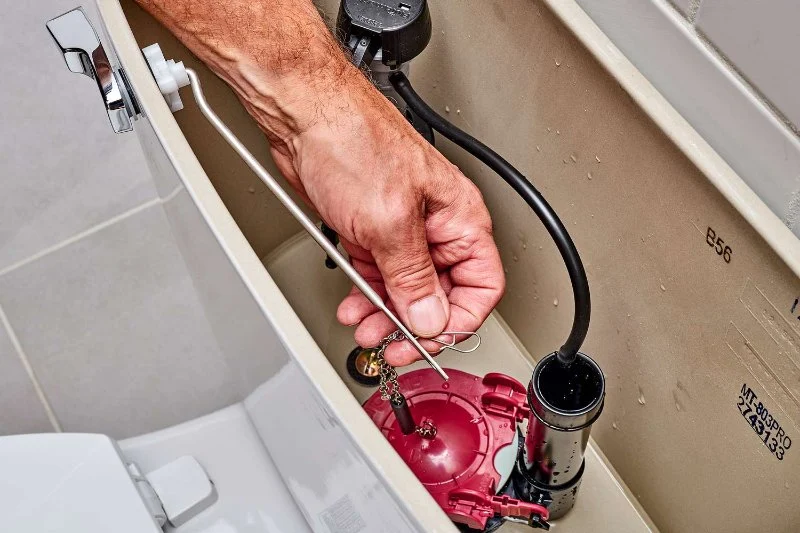
The flush valve sits inside the toilet tank and controls the release of water into the bowl when you flush. When it seals properly, the tank holds water until the next flush. When it does not seal properly, water slowly slips from the tank into the bowl. That small leak can keep the fill valve cycling on and off, waste a surprising amount of water, and make the toilet seem older or more broken than it really is.
In real homes, this problem often begins quietly. There is no dramatic crack, no water all over the floor, no obvious disaster. It is just a faint hiss, an occasional refill sound, or a toilet that never seems fully at rest. That is exactly why flush valve leaks get ignored for too long.
JetBlast Inc. Water Blasting Sewer & Drain Cleaning / jet blast drain cleaning
BaltimoreAnne Arundel CountyMaryland
6800 Fort Smallwood Rd, Baltimore, MD 21226, USA
Signs Your Flush Valve Is the Real Problem
1. The toilet keeps running after the flush ends
This is the classic sign. The toilet seems to finish flushing, but you can still hear water moving. Sometimes it is a steady trickle. Sometimes it is a soft refill sound that comes back every few minutes.
Lawrence Plumbing And Heating / lawrence plumbing
708 E Lake Ave, Baltimore, MD 21212, USA
1.1 The tank loses water without being used
If nobody has touched the toilet but the tank level keeps dropping, the water has to be going somewhere. In many cases, it is escaping past the flush valve seal and into the bowl.
1.2 The refill valve turns on at random times
This is one of the most telling clues. The tank loses water slowly, the float drops, and the fill valve kicks on to replace what leaked out. Homeowners often think the fill valve is the only issue, when the real cause is the flush valve below it.
2. You hear a faint hissing sound
A leaking flush valve can create a subtle sound that is easy to miss during the day. At night, when the house is quiet, it becomes much more noticeable.
2.1 The sound is often mistaken for normal operation
Many people live with it for weeks or months because the toilet still “works.” But functional and efficient are not the same thing. A working toilet that leaks internally is still costing you money.
3. Food coloring in the tank appears in the bowl
This is one of the easiest ways to confirm a leak. Add a few drops of food coloring to the tank and wait without flushing.
3.1 If color shows up in the bowl, the seal is failing
That means water is passing through the flush valve when it should not be. It is a simple test, but it tells you a lot very quickly.
Most Common Reasons a Flush Valve Begins Leaking
1. The flapper is worn out or warped
In many toilets, the flapper is the part most homeowners end up replacing first, and for good reason. Rubber ages. Water chemicals wear it down. Mineral buildup changes its shape. Over time, it stops making a tight seal.
1.1 Rubber does not last forever
A flapper may look “mostly fine” at a glance, but even a slight warp, stiffness, or rough edge can be enough to let water through. This is especially common in toilets that are several years old.
1.2 Cleaning products inside the tank can shorten its life
Drop-in cleaners are convenient, but some of them are hard on rubber parts. I have seen toilets where the flapper looked much older than the toilet itself simply because harsh chemicals were sitting in the tank day after day.
2. The flush valve seat is dirty or rough
The flush valve does not just depend on the flapper. The surface the flapper seals against matters too.
2.1 Mineral deposits can prevent a complete seal
If the valve seat has scale, grime, or residue, the flapper may never sit completely flat. Even a tiny gap can create a constant leak.
2.2 Small imperfections matter more than people think
Toilet seals are simple, but they are also precise. A rough patch or debris ring around the seat can turn into an ongoing leak.
3. The chain is too short or tangled
Sometimes the problem is not damage at all. It is adjustment.
3.1 A tight chain can hold the flapper slightly open
If the chain has no slack, the flapper may never fully settle back into place after flushing.
3.2 A twisted or snagged chain can create an intermittent leak
These are frustrating because the toilet might seal correctly sometimes and leak at other times. That inconsistency makes the problem feel mysterious when it is actually mechanical.
4. The flush valve assembly itself is cracked or loose
This is less common than a bad flapper, but it does happen, especially in older toilets.
4.1 Plastic components can age and weaken
If the flush valve body develops a crack, the issue may go beyond the seal and require part replacement rather than a quick adjustment.
4.2 A loose mounting nut can create instability
If the assembly shifts slightly, the seal may not stay consistent. This is one of those repairs that sounds minor but often leads to more involved work inside the tank.
How to Check the Flush Valve Step by Step
1. Remove the tank lid and observe the water level
Start simple. Lift the lid carefully and look inside while the toilet is at rest.
1.1 Watch whether the water level drops over time
If the tank water slowly falls and the bowl water level changes, that points strongly toward a flush valve leak.
2. Inspect the flapper closely
Touch it. Lift it. Look at the bottom edge.
2.1 Look for stiffness, cracks, or mineral buildup
A healthy flapper should feel flexible and sit evenly. If it feels hardened or looks uneven, it is a likely culprit.
2.2 Check how it sits on the valve seat
If it looks crooked or does not settle cleanly, do not ignore that. A tiny misalignment is enough to cause a steady leak.
3. Check the chain length
Flush once and watch what happens.
3.1 The chain should have a little slack at rest
Too much slack is not ideal, but too little is worse for sealing. You want enough looseness for the flapper to drop completely.
4. Run the food coloring test
This is the easiest confirmation step and one of the most useful.
4.1 Add color to the tank and wait 10 to 15 minutes
Do not flush. If color appears in the bowl, the flush valve is leaking. That tells you the tank is not holding water the way it should.
When a Simple Fix Is Enough and When It Is Not
1. A simple fix is usually enough when the flapper is the issue
This is the good news. A worn flapper is often inexpensive and relatively easy to replace.
1.1 Replacing the flapper can solve the problem quickly
If the valve seat is clean and the assembly is intact, a new flapper often restores the seal immediately.
1.2 Cleaning the valve seat can make a real difference
Sometimes the old flapper is not even the full problem. Cleaning off the seat before installing a new part gives the repair a much better chance of lasting.
2. A bigger repair may be needed if the flush valve body is damaged
If you replace the flapper and the toilet still leaks, the problem may be deeper.
2.1 Cracked plastic parts usually mean replacement
At that point, patching is rarely the smart move. Replacing the flush valve assembly is usually more reliable than trying to force a temporary fix.
2.2 Older toilets sometimes have multiple worn components
This is something homeowners often learn the annoying way. The flapper is bad, but so is the fill valve, and the chain is corroded, and the tank bolts look tired too. In older toilets, it is worth looking at the system as a whole instead of one piece in isolation.
3. A real-world example that sounds familiar
A homeowner I once spoke with was convinced their toilet needed to be replaced because it kept “ghost flushing” all day. The bowl looked fine, the floor was dry, and nothing seemed dramatic. The real problem turned out to be a flapper that had hardened unevenly and a valve seat coated with mineral deposits. The repair took far less time and money than they expected. That story sticks with me because it is common: people assume the worst, when the actual issue is a small internal part doing a poor job.
How to Prevent Future Toilet Flush Valve Leaks
1. Check the inside of the tank once in a while
Most people never look inside the toilet tank unless something goes wrong. That is understandable, but a quick check every few months can catch wear early.
1.1 Listen for changes in sound
A toilet usually tells you when it is starting to develop a problem. Random refills, quiet hissing, or a flush that sounds slightly different are all clues worth noticing.
2. Avoid harsh in-tank cleaners if possible
These products are marketed as easy maintenance, but they can shorten the life of rubber seals and plastic components.
2.1 A cleaner bowl is not worth damaged parts
If your goal is reliability, gentler cleaning methods usually make more sense over time.
3. Replace worn parts before they fail completely
Toilet components are not expensive compared with the cost of wasted water over months of unnoticed leaking.
3.1 Preventive replacement is often the smarter move
If a flapper looks old, stiff, or uneven, replacing it before it starts leaking heavily is often the most practical decision.
Why This Small Repair Is Worth Taking Seriously
So, why is my toilet flush valve leaking? In most cases, the answer comes down to wear, residue, misalignment, or a damaged seal. The reason this matters is not just the annoyance. It is the hidden waste. A small internal leak can quietly send gallons of water down the drain every day while making your toilet work harder than it should.
If you have noticed a running toilet, random refilling, or water slipping from the tank into the bowl, now is the right time to act. Inspect the flapper, test the seal, check the chain, and look closely at the valve seat. If you are ready to stop the leak for good, explore the latest toilet repair parts, flush valve kits, and replacement components designed to fix a leaking toilet flush valve early and reliably. Learn more, compare your options, and choose the right solution before a small toilet leak turns into a bigger plumbing headache.
 Stewart Plumbing LLC5.0 (79 reviews)
 United Sewer & Water, LLC.5.0 (27 reviews)
 Miller's Services4.0 (2596 reviews)
 Quaranti Installations5.0 (12 reviews)
 Perti Plumbing & HVAC, Inc.4.0 (58 reviews)
 Willway Services5.0 (105 reviews)
 Ultimate Guide to Low Water Pressure: Causes, Solutions, and Expert Tips
 How to Fix a Clogged Sink: Quick and Easy Solutions
 Beginner's Guide to Replacing Old Pipes | PlumberNear
 How Long Does It Take to Detect a Hidden Water Leak?
 What You Should Know About Sump Pump Maintenance
 How to Choose the Right Plumbing Materials for Your Home Renovation