
Washing Machine Hoses: Inspect, Replace, and Prevent Leaks
On this page
- Quick answer
- Know which parts you are checking
- Create safe access before inspecting
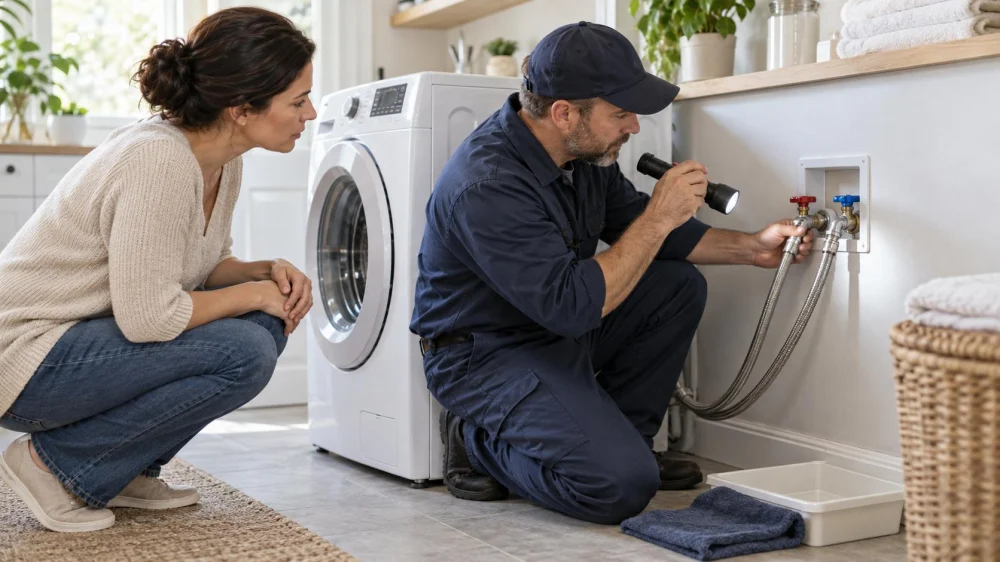
- Inspect hoses, valves, and routing
- Plan replacement without improvising
- Test and monitor after service
- Respond to an active leak
- Limits and important notes
- Frequently asked questions
- Sources and evidence notes
- Conclusion and next steps
Quick answer
Inspect washing machine supply hoses with the appliance off and accessible: look for bulges, cracks, rust, damp fittings, abrasion, sharp bends, and pulling at connections. Know where the shutoff valves are and close them if an active leak can be isolated safely. Do not overtighten fittings or move a heavy machine alone. Replace damaged or manufacturer-expired hoses and call a plumber for corroded valves, hidden leaks, or uncertain connections.
Stashluk Mechanical Contractors Inc. / stashluk
Franklin TownshipHunterdon CountyNew Jersey
998 Croton Rd, Pittstown, NJ 08867, USA
Know which parts you are checking
A washing machine usually receives hot and cold water through separate supply hoses connected to wall valves and appliance inlets. A drain hose carries used water to a standpipe, sink, or other approved connection. Each part has different failure and installation risks.
This guide is for homeowners in the United States, including Boone, North Carolina. Appliance instructions, local plumbing requirements, water conditions, room layout, and hose design govern the actual installation.
Bill Trombly Plumbing - Heating - Cooling - Electric / jim trombly heating
ManchesterHillsborough CountyNew Hampshire
76 Maple St, Manchester, NH 03103, USA
Create safe access before inspecting
- Stop the washer, unplug it if the instructions permit, and keep water away from electrical parts.
- Turn off any nearby gas appliance only according to its instructions and do not disturb gas lines.
- Use help or appliance-moving equipment; do not pull the machine by hoses or cords.
- Move only far enough to see connections without stretching them.
- Use a stable light and dry the floor to prevent slipping.
- Keep children and pets out of the workspace.
Inspect hoses, valves, and routing
- Look for bulges, blisters, cracks, cuts, flattening, and exposed reinforcement.
- Check fittings and valve stems for dampness, mineral deposits, rust, or staining.
- Confirm hoses are not kinked, crushed, rubbing sharp edges, or pulled tight.
- Check that hot and cold hoses match the intended connections.
- Inspect the drain hose for splits, insecure support, and signs of backing out.
- Look below and behind the appliance for swollen flooring, soft wall material, odour, or mould-like growth.
Plan replacement without improvising
Use hoses approved for the appliance, pressure, water temperature, connection, and installation. Follow both washer and hose instructions for length, routing, washers, hand-tightening, tool use, and service interval. A metal-braided exterior can resist some damage but does not make a hose permanent or immune to hidden liner failure.
Replace pairs when age or history is uncertain and one has failed, if the manufacturer or plumber recommends it. Do not join short hoses with unapproved couplings.
Test and monitor after service
Open valves slowly while watching each connection. Run the appliance's specified test or a short supervised cycle, then inspect during fill, drain, and spin. Dry the area first so new moisture is visible. Recheck after the machine returns to position to confirm hoses did not kink or pull.
Use a drain pan and leak alarm where appropriate, but do not treat them as substitutes for sound hoses, valves, drainage, and access.
Respond to an active leak
If water is spraying or pooling, stop the appliance and close the dedicated valves when they are safely accessible and operable. Use the main shutoff if necessary and safe. Avoid standing water near outlets, panels, cords, or appliances; cut power only from a dry safe location and call emergency services for electrical danger.
Contact a plumber for seized or corroded valves, wall leaks, damaged piping, repeated pressure problems, unsafe access, or a leak you cannot isolate.
Limits and important notes
A visual check cannot confirm the internal condition of every hose or valve. A dry connection can still fail later. Automatic shutoff devices also depend on correct sensors, valves, power, installation, testing, and maintenance.
Water-damaged walls, floors, insulation, or cabinetry may need drying and restoration beyond plumbing repair. Suspected mould or contaminated water requires appropriate professional assessment and personal protection.
Frequently asked questions
How often should washing machine hoses be replaced?
Follow the washer and hose manufacturer instructions and replace sooner for damage, leakage, recalled products, uncertain history, or a plumber's recommendation.
Should I close the valves after every load?
Some owners do, but stiff or failing valves can also leak when operated. Ask a plumber whether the current valves are suitable for regular use or an automatic shutoff system.
Can I tighten a damp fitting?
Do not keep tightening by guesswork. Shut off water, relieve pressure as instructed, identify the seal and fitting condition, and use a plumber when corrosion or access is uncertain.
Sources and evidence notes
This article uses general appliance supply-line and water-damage prevention principles: inspect condition and routing, isolate water safely, use compatible parts, test under supervision, and escalate damaged valves or hidden leaks. Appliance and hose instructions, local code, utility guidance, and a licensed plumber govern a specific home.
Conclusion and next steps
Photograph the current hoses and valves, note installation or purchase dates, and check that access does not require unsafe lifting. Replace questionable components before they leak, not after. For homes around Boone, include the laundry setup in routine plumbing checks and confirm that shutoff, drainage, and cold-weather conditions are addressed together.
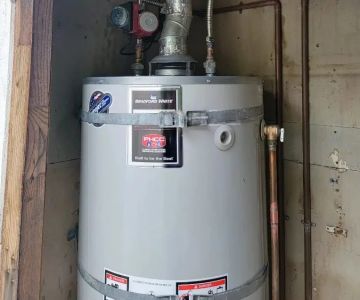
 Jerry's Plumbing0.0 (0 reviews)
 Eagle Plumbing & Repairs4.0 (23 reviews)
 Cain's Able Plumbing4.0 (619 reviews)
 CAC Plumbing, LLC4.0 (29 reviews)
 Pinkerton Plumbing5.0 (19 reviews)
 Jeff Underwood Plumbing5.0 (2 reviews)
 Water Meter Leak Check: Confirm Flow Before You Call
 Washing Machine Hoses: Inspect, Replace, and Prevent Leaks
 Slow Bathroom Sink Drain: Safe Checks Before Chemicals
 Running Toilet Diagnosis: Safe Checks Before Repair
 Plumbing Repair Warranty: Parts, Labor, and Records
 Plumbing Permit and Inspection: Verify Responsibility Before Work