

Plumbing Repair Warranty: Parts, Labor, and Records
On this page
Quick answer
Ask for written warranty terms before approving plumbing work. Separate the manufacturer’s product warranty from the plumber’s labor or workmanship warranty, and record each duration, start date, exclusions, transfer rules, claim contact, and required proof. Keep the signed scope, itemised invoice, model and serial information, photos, permits, and completion date in one property file.

Mike the Plumber / mike the plumber
1545 Ocean Ave A3, Bohemia, NY 11716, USA
Separate parts and labor coverage
A replacement part may carry a manufacturer warranty while installation labor has different coverage from the plumbing company. A manufacturer may replace a defective component without paying diagnosis, removal, shipping, or reinstallation. A contractor’s warranty may address workmanship but exclude normal wear or an unrelated system failure.
- Identify who issued each warranty.
- Record the exact covered product or work.
- Note the coverage length and when it begins.
- Ask who pays service calls, access, removal, and installation.
- Check whether registration, maintenance, or approved parts are required.
Do not rely on a phrase such as “fully guaranteed.” Ask for the complete written terms that define what happens if a problem occurs.
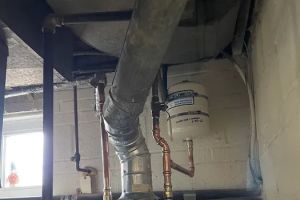
O'Neill Bros. Plumbing / oneill plumbing
RockvilleMontgomery CountyMaryland
12348 Wilkins Ave, Rockville, MD 20852, USA
Confirm terms before work starts
Compare warranty language along with scope, materials, licence information where applicable, schedule, and price. Ask whether emergency work, customer-supplied parts, drain cleaning, temporary repairs, buried work, or existing damaged systems receive different coverage.
Put verbal promises in the signed contract or change order. If the contractor offers several product grades, compare warranty limits and availability of replacement parts, not only the nominal number of years.
Build a useful repair record
Photograph the area before, during, and after the repair when safe. The final file should show what was installed, where it is located, who performed the work, and how to request service.
- Signed estimate, scope, contract, and change orders.
- Itemised invoice and proof of payment.
- Manufacturer, model, serial, size, and part numbers.
- Warranty document and registration confirmation.
- Permit and inspection records when required.
- Startup readings, test results, and maintenance instructions supplied by the contractor.
Store a copy away from damp mechanical areas. Add a durable tag near equipment only if it will not hide a safety label or interfere with service.
Respond when a problem returns
Protect people and property first. For active flooding, electrical risk, gas odour, sewage exposure, or another urgent hazard, use appropriate emergency services and qualified help. Do not delay urgent mitigation while searching for a warranty document.
- Record the time, location, symptoms, and visible damage.
- Photograph or video the condition without dismantling the work.
- Review the warranty and contact the stated provider promptly.
- Ask for a claim or service reference number.
- Keep damaged parts when instructed and safe.
- Document diagnosis, corrective work, charges, and outcome.
Avoid unauthorised disassembly that could worsen damage or complicate the claim. If another professional must act to prevent loss, preserve the emergency invoice and evidence.
Understand exclusions and limits
Common limits can involve misuse, freezing, water quality, pressure outside specifications, lack of maintenance, alterations, customer-supplied materials, inaccessible installations, consequential damage, or failures elsewhere in the system. The actual written warranty controls.
Ask how a denied claim can be reviewed and what evidence supports the decision. A warranty is not a substitute for insurance, code compliance, a permit, or the contractor’s other legal responsibilities. Those issues may follow different processes.
Frequently asked questions
When does coverage start?
It may start at purchase, installation, substantial completion, or registration. Record the date defined in the actual terms.
Does a lifetime warranty cover labor?
Not necessarily. “Lifetime” may apply only to a product, original owner, or defined service life and may exclude diagnosis and installation.
Can I transfer the warranty when selling?
Some warranties transfer, some require notice or a fee, and others end. Check the written transfer clause.
What if the plumber changes business names?
Keep the legal business name, address, licence details where applicable, insurer information, and manufacturer warranty route.
Should I register the product?
Follow the manufacturer’s instructions. Keep confirmation and never assume registration expands coverage beyond the written terms.
Conclusion and next steps
Before approving work, request specific written terms for the part and labor. After completion, collect the itemised invoice, product identifiers, photos, approvals, and registration. If a problem returns, make the area safe, document it, notify the correct issuer promptly, and preserve every service record.
Limitations: Warranty, consumer-protection, licensing, and contracting rules vary. This checklist helps organise questions and records but does not interpret a contract or provide legal advice.
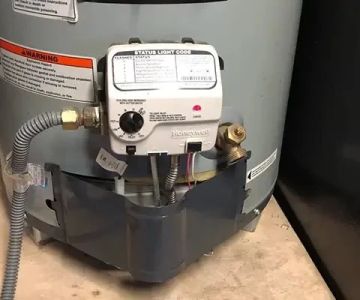
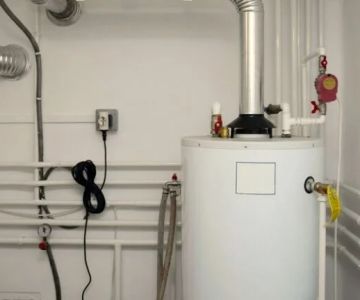
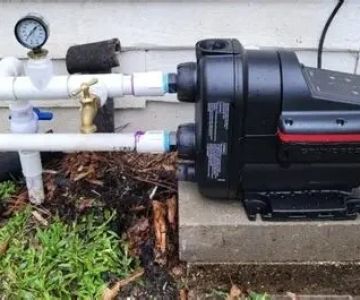
 Porcaro Plumbing and Heating5.0 (9 reviews)
 ADS Plumbing and Heating4.0 (7 reviews)
 Gault Enterprises, LLC5.0 (37 reviews)
 Colombo Express Sewer & Drain4.0 (12 reviews)
 Cutter's Sewer & Drain Cleaning2.0 (16 reviews)
 SK Plumbing & Contracting, LLC3.0 (7 reviews)
 Top Tips for Frozen Pipes and How to Prevent Costly Damage
 When Should You Call a Plumber to Prevent Winter Plumbing Issues?
 Step-by-Step Guide to Replace a Broken Shower Drain Cover
 Preventing Plumbing Problems in Your New Home: What You Should Know
 Plumber Visit Prep: Clear Access and Record the Problem
 What to Do If Your Sewer Line Needs Repair