
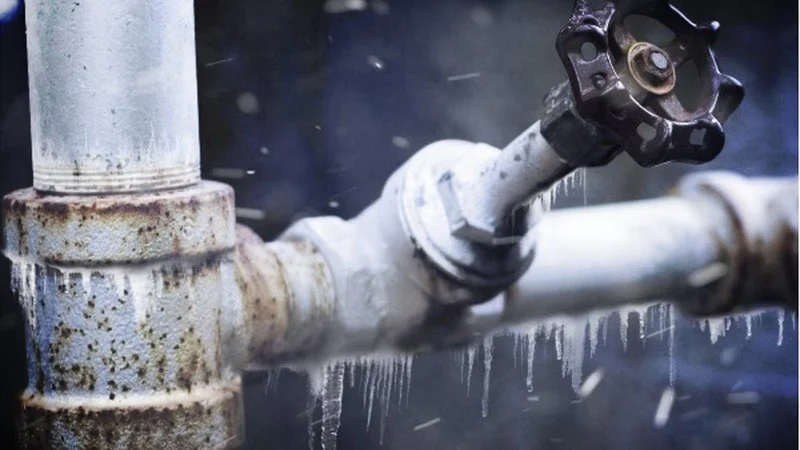
- 1- Why Do Pipes Freeze in the First Place?
- 2- Common Causes of Frozen Pipes
- 3- How to Prevent Frozen Pipes
- 4- What to Do if Your Pipes Freeze
- 5- When to Call a Plumber for Frozen Pipes
1- Why Do Pipes Freeze in the First Place?
Pipes freeze when the temperature of the water inside them drops below 32°F (0°C), causing the water to freeze. The freezing of water inside the pipes expands and exerts pressure on the pipe walls, which can result in bursts, leaks, or complete pipe failure. Frozen pipes are most common in areas with extremely cold weather, but they can also occur in homes with poor insulation or exposed plumbing.
Sewer Xpress Corp / pipe xpress inc
Eastampton TownshipBurlington CountyNew Jersey
649 Powell Rd, Eastampton Township, NJ 08060, USA
2- Common Causes of Frozen Pipes
Several factors contribute to the freezing of pipes, and it’s important to be aware of them to prevent damage to your home. Some of the most common causes of frozen pipes include:
- Exposure to Cold Air: Pipes located in uninsulated areas like attics, basements, or garages are particularly vulnerable to freezing. Without proper insulation, these areas can experience extreme temperature drops that affect the pipes.
- Sudden Temperature Drops: A rapid drop in temperature, such as during a cold snap or storm, can cause pipes that were not previously exposed to freezing temperatures to freeze quickly.
- Blocked Vents: If your home’s ventilation system is blocked or improperly designed, it may not circulate warm air effectively, leaving pipes in colder areas at risk.
- Frozen Pipes Inside Walls: In homes where plumbing runs inside walls exposed to cold outdoor temperatures, pipes can freeze if there is insufficient insulation around the walls or poor air circulation.
3- How to Prevent Frozen Pipes
Preventing frozen pipes requires some proactive steps, especially during the colder months. Here are a few essential tips to keep your pipes safe from freezing:
- Insulate Vulnerable Pipes: Insulate pipes in unheated or exposed areas like attics, basements, and garages. Pipe insulation, foam sleeves, or heat tape can prevent pipes from getting too cold.
- Seal Gaps and Cracks: Close gaps around windows, doors, and other areas where cold air can enter. Caulking or weather stripping can prevent drafts from affecting your plumbing.
- Let Faucets Drip: During extremely cold weather, allow faucets connected to vulnerable pipes to drip slowly. This keeps water moving and reduces the chances of freezing.
- Keep Cabinet Doors Open: In kitchens and bathrooms, open cabinet doors under sinks to allow warm air to circulate around the pipes.
- Keep the Heat On: If you plan to leave your home unoccupied for an extended period, keep the thermostat set to at least 55°F (13°C) to maintain heat in the home and protect the plumbing.
4- What to Do if Your Pipes Freeze
If you find that a pipe has already frozen, it's crucial to act quickly to prevent further damage. Here are the steps you can take:
- Turn Off the Water: If you suspect a frozen pipe, shut off the water supply immediately to avoid flooding when the pipe thaws.
- Thaw the Pipe: Use a hair dryer, space heater, or a heating pad to gently warm the frozen section of pipe. Start from the faucet end and work your way back towards the source of the freeze. Never use an open flame or torch, as this can damage the pipe and create a fire hazard.
- Check for Leaks: Once the pipe thaws, check for leaks or cracks. If the pipe has burst or leaked, you’ll need to contact a plumber for professional repairs.
5- When to Call a Plumber for Frozen Pipes
While some frozen pipes can be thawed on your own, it’s essential to know when to call a professional plumber. You should contact a plumber if:
- The frozen pipe has already burst or cracked, causing water leakage.
- You cannot locate the frozen section of the pipe or the frozen pipe is in a hard-to-reach location.
- You notice that multiple pipes are frozen in your home.
For expert help with frozen pipes, don’t hesitate to reach out to PlumberNear, your trusted plumbing service. Preventing frozen pipes and acting quickly in the event of an issue can save you from expensive repairs and property damage.
 Guarded Plumbing LLC4.0 (21 reviews)
 J&C Plumbing and Sewer Service, Inc.4.0 (272 reviews)
 Gould Plumbing & Heating4.0 (37 reviews)
 Order A Plumber Inc.5.0 (3 reviews)
 Blanchard Oil Company4.0 (51 reviews)
 Fairfax Electric Plumbing-Gas4.0 (160 reviews)
 Beginner's Guide to Installing a New Toilet: Step-by-Step Tips
 Signs You Need Sewer Line Backups Resolved Immediately
 How to Fix and Unclog a Bathtub Drain Like a Pro
 Step-by-Step Guide to Clogged Drains and How to Fix Them
 Is It Safe to Installing a New Toilet
 How Often Should You Check Low Water Pressure in Your Home