
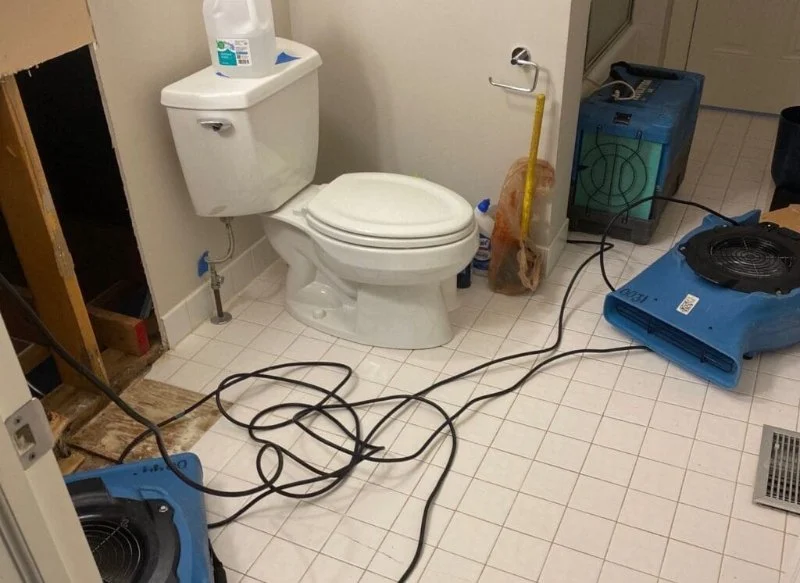
- 1. Understanding Water Damage in the Bathroom
- 2. Factors That Affect Water Damage in Bathrooms
- 3. How to Prevent Water Damage in Your Bathroom
- 4. What to Do If Water Damage Occurs in Your Bathroom
1. Understanding Water Damage in the Bathroom
Water damage in your bathroom can start in a variety of ways: from leaks in the pipes, faulty caulking around bathtubs and sinks, or even condensation issues. The real question for homeowners is, how long does it take for water damage to occur, and how can it be prevented?
When water constantly interacts with surfaces that are not designed to handle prolonged moisture, it can seep into materials like drywall, flooring, and wood, causing deterioration. In the bathroom, areas around the shower, sink, and toilet are especially vulnerable.
Water damage doesn’t happen overnight. In fact, it can take anywhere from a few hours to a few days for water to cause visible damage depending on the situation. Sometimes, the effects of water damage may not even be noticeable until months later. Early detection and maintenance can help minimize the long-term impact.
Hardy Plumbing / hardy plumbing
Port ClintonSchuylkill CountyPennsylvania
149 Penn St, Port Clinton, PA 19549, USA
2. Factors That Affect Water Damage in Bathrooms
The extent and speed of water damage in your bathroom depend on several factors. Understanding these can help you address the issue before it becomes a larger problem:
- Type of Leak: A slow, hidden leak behind the wall will cause damage over time, whereas a sudden burst of water, like a burst pipe, can create immediate and significant damage.
- Amount of Water: The larger the volume of water, the faster it will spread and cause damage. A small leak can sometimes go unnoticed for a while, but if it persists, it can lead to mold growth and structural damage.
- Surface Materials: Some bathroom materials, such as porous drywall and wood, are more susceptible to water damage than others. Non-porous tiles and fiberglass are more resistant but can still be damaged under persistent moisture conditions.
- Temperature and Humidity: High humidity levels can exacerbate water damage, particularly in bathrooms with poor ventilation. Humidity combined with moisture can encourage mold and mildew growth.
3. How to Prevent Water Damage in Your Bathroom
Preventing water damage in your bathroom is much easier and more cost-effective than repairing it later. Here are some important steps to ensure your bathroom stays dry and free from water-related issues:
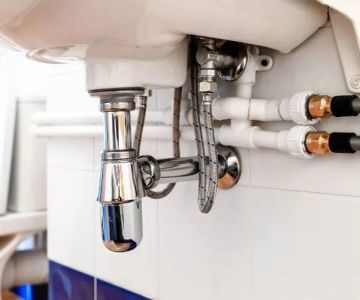
- Regular Inspections: Routinely check for leaks in pipes, faucets, and under sinks. Look for signs of wear around the caulk, seals, and grout in showers and tubs.
- Install Proper Ventilation: Ensure your bathroom has a functional exhaust fan to control humidity. Consider adding a dehumidifier if you live in a particularly damp environment.
- Fix Leaks Immediately: If you notice any leaks or water pooling in your bathroom, address them right away to avoid long-term damage. Small leaks often indicate bigger problems behind the walls.
- Waterproofing and Sealing: Make sure your shower and bathtub areas are sealed correctly to prevent water from seeping into the walls and flooring. Re-seal caulk around sinks and tubs every year to maintain a watertight barrier.
4. What to Do If Water Damage Occurs in Your Bathroom
If you discover that water damage has already occurred, it’s important to take action quickly to minimize further damage. Here's what you should do:
- Assess the Damage: Identify how extensive the water damage is. Look for water stains, mold growth, or warping of materials. If the damage is significant, you may need to call a professional plumber or contractor.
- Stop the Source of Water: Turn off the water supply to your bathroom immediately to prevent further flooding or leaks.
- Dry the Area: Use fans and dehumidifiers to dry out the affected area. Remove any soaked towels, rugs, or materials that might harbor moisture.
- Call a Professional: For larger water damage, it’s best to call in a professional plumber or water damage restoration service. They can help you properly assess and repair the damage, preventing future issues.
Water damage in your bathroom can be a serious issue, but with prompt attention, it’s often possible to repair and prevent further harm. For professional help with leaks, plumbing repairs, and water damage restoration, visit PlumberNear, your trusted source for all plumbing services.
 Guarded Plumbing LLC4.0 (21 reviews)
 J&C Plumbing and Sewer Service, Inc.4.0 (272 reviews)
 Gould Plumbing & Heating4.0 (37 reviews)
 Order A Plumber Inc.5.0 (3 reviews)
 Blanchard Oil Company4.0 (51 reviews)
 Fairfax Electric Plumbing-Gas4.0 (160 reviews)
 Beginner's Guide to Installing a New Toilet: Step-by-Step Tips
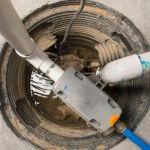 Signs You Need Sewer Line Backups Resolved Immediately
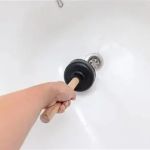 How to Fix and Unclog a Bathtub Drain Like a Pro
 Step-by-Step Guide to Clogged Drains and How to Fix Them
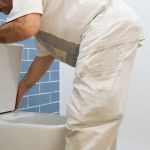 Is It Safe to Installing a New Toilet
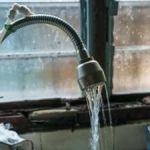 How Often Should You Check Low Water Pressure in Your Home