
- 1. Understanding Sulfur Smell in Water Heaters
- 2. Common Causes of Sulfur Odor in Water Heaters
- 3. How to Fix the Sulfur Smell in Your Water Heater
- 4. Prevention Tips for Sulfur Smell in Water Heaters
- 5. Real-Life Example: Solving the Sulfur Smell Issue
1. Understanding Sulfur Smell in Water Heaters
If your water heater smells like rotten eggs or sulfur, you're not alone. This unpleasant odor is a common issue for homeowners and often signals a problem with your water heater or plumbing system. The smell is typically caused by the presence of hydrogen sulfide gas, which can develop when certain conditions exist inside the water heater. While the smell can be irritating, it’s usually fixable with the right approach.
This sulfur-like smell can affect hot water and is most noticeable when running hot water through faucets or in the shower. If left untreated, it may worsen over time, affecting the overall comfort and safety of your home’s water supply. Let’s explore the causes of this odor and what you can do about it.
Lawrence Plumbing And Heating / lawrence plumbing
708 E Lake Ave, Baltimore, MD 21212, USA
2. Common Causes of Sulfur Odor in Water Heaters
There are a few common reasons why your water heater might be emitting a sulfur odor. Understanding the underlying causes is the first step in resolving the issue:

JetBlast Inc. Water Blasting Sewer & Drain Cleaning / jet blast drain cleaning
BaltimoreAnne Arundel CountyMaryland
6800 Fort Smallwood Rd, Baltimore, MD 21226, USA
2.1 Bacteria Growth in the Water Heater
The most common cause of sulfur smells in water heaters is the growth of sulfur-reducing bacteria. These bacteria thrive in warm, stagnant water and feed on the sulfate present in the water. As the bacteria break down the sulfate, they produce hydrogen sulfide gas, which is the source of the rotten egg odor.
2.2 Magnesium Anode Rod Reaction
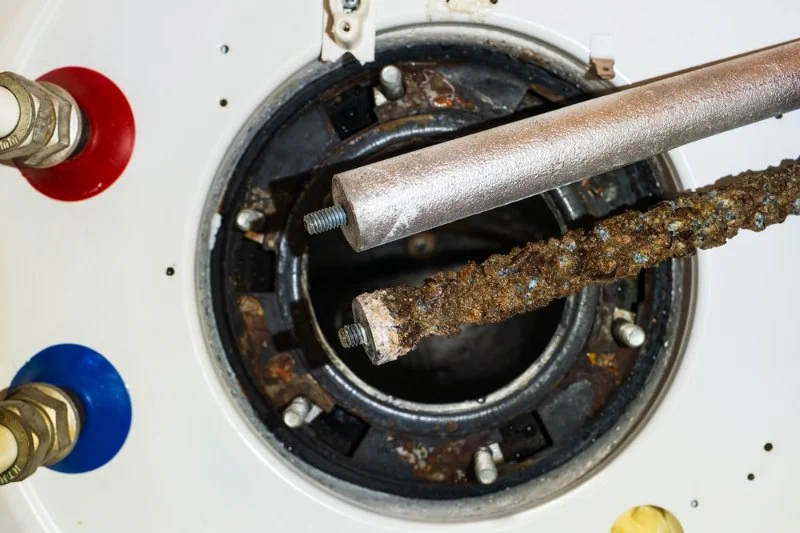
Water heaters are equipped with an anode rod, typically made of magnesium or aluminum, which helps prevent corrosion inside the tank. However, if the water in your area contains high levels of sulfur or the magnesium rod reacts with the bacteria in the tank, it can contribute to the sulfur smell. This issue is more common in areas with hard water or higher sulfur content.
2.3 High Sulfate Levels in the Water Supply
Another possible cause of the sulfur smell is high levels of sulfate in the local water supply. Sulfates naturally occur in groundwater, and when combined with the bacteria or the magnesium anode rod in your water heater, they can produce hydrogen sulfide gas.
3. How to Fix the Sulfur Smell in Your Water Heater
If you’ve identified the sulfur smell in your water heater, don’t worry—there are several steps you can take to eliminate it:
3.1 Flush the Water Heater
Flushing your water heater can help remove bacteria buildup and sulfur deposits. To do this, turn off the power and water supply to the heater, drain the tank, and then refill it with clean water. This helps wash out any sediment or bacteria that may be causing the odor. Flushing your water heater once a year is also a good maintenance practice to keep your system running efficiently.
3.2 Replace the Anode Rod
If the anode rod is made of magnesium, replacing it with an aluminum or zinc-based rod can help prevent the sulfur odor. These alternative materials are less likely to react with bacteria and sulfates to produce hydrogen sulfide gas. It’s important to check your anode rod every few years and replace it when necessary to prevent corrosion and odors.
3.3 Install a Whole-House Water Filter
If high levels of sulfate in your water supply are the cause of the odor, installing a whole-house water filter can help remove sulfur and other impurities from your water. A good filtration system will improve water quality and eliminate the sulfur smell at the source.
3.4 Disinfect the Tank
If bacteria growth is the main cause of the sulfur smell, you can disinfect the tank using a bleach solution. Add about ¼ cup of bleach per gallon of water to the tank and let it sit for a few hours before flushing it out. This will kill the bacteria and prevent future odor issues.
4. Prevention Tips for Sulfur Smell in Water Heaters
To avoid recurring sulfur smells in your water heater, here are some helpful prevention tips:
4.1 Regular Maintenance
Regular maintenance, including flushing the water heater and inspecting the anode rod, can help prevent the buildup of bacteria and minerals that cause the odor. Scheduling an annual maintenance checkup with a professional plumber is a great way to ensure the long-term health of your water heater.
4.2 Use a Water Softener
In areas with hard water, installing a water softener can reduce the amount of sulfate in your water and prevent the sulfur smell. A softener helps remove minerals like calcium and magnesium that can contribute to the problem.
4.3 Install a Ventilation System
Proper ventilation around your water heater is essential to maintain air circulation and prevent bacteria buildup. If your water heater is located in an enclosed space, consider installing a ventilation system to improve airflow and reduce moisture buildup.
5. Real-Life Example: Solving the Sulfur Smell Issue
A homeowner named John faced a persistent sulfur smell coming from his water heater. After trying to flush the tank and using a chemical cleaner, the odor remained. He then replaced the magnesium anode rod with a zinc one and installed a whole-house water filter. Within a few days, the sulfur smell was completely gone, and John was able to enjoy fresh-smelling water again.
If you’re facing a similar issue, you can follow these steps and even consult with experts at Pet & Puppy for advice on water filtration and maintenance products to keep your home’s water fresh and clean.


 Heavy Duty Plumbing & Heating L.L.C.5.0 (28 reviews)
 L & D Sons Plumbing & Heating, LLC5.0 (10 reviews)
 Joseph's Affordable Plumbing and Heating4.0 (205 reviews)
 Mazzella Plumbing LLC0.0 (0 reviews)
 Barretta Plumbing, Heating & Cooling4.0 (41 reviews)
 Crane Company5.0 (6 reviews)
 How to Prevent Tree Roots from Damaging Your Sewer Line
 How to Replace a Broken Showerhead: Easy Steps for Homeowners
 What to Know About Plumbing Maintenance for Commercial Properties
 How to Prevent Your Sump Pump from Failing
 Ultimate Guide to Fixing a Garbage Disposal: Troubleshoot & Repair
 How Long Does It Take to Sump Pump Failure and Prevention Tips