
Hidden Water Clues in Your Home That Most People Ignore Until Damage Appears
- 1 - Early Household Clues - What Hard Water Looks Like in Daily Life
- 2 - Appliance Damage Patterns - How Minerals Slowly Break Your Home Systems
- 3 - Bathroom and Kitchen Evidence - The Most Visible Warning Areas
- 4 - Real Homeowner Stories - What People Noticed Too Late
- 5 - Practical Solutions - How to Fix Hard Water Effectively
- 6 - Long-Term Prevention - Keeping Water Quality Under Control
- 7 - Expert Observations - What Water Specialists Recommend
1. Early Household Clues - What Hard Water Looks Like in Daily Life
Most homeowners don’t immediately realize when they are dealing with signs your home has hard water. It doesn’t announce itself loudly. Instead, it shows up in subtle, repetitive patterns that slowly become part of everyday frustration.
One of the earliest indicators is how soap behaves. If you notice that soap doesn’t lather well or that you need to use significantly more detergent to get dishes or clothes clean, that is often a strong signal. Hard water contains high levels of calcium and magnesium, which interfere with cleaning agents and reduce their effectiveness.
Another overlooked clue is the way water feels on your skin. Many people describe it as a “slippery film” that never fully rinses off. This sensation is caused by soap residue reacting with minerals in the water, leaving behind a thin layer that can clog pores and dry out skin over time.
These early clues are often dismissed as normal household quirks, but they are usually the first stage of a larger water quality issue developing inside the home.

Mike the Plumber / mike the plumber
1545 Ocean Ave A3, Bohemia, NY 11716, USA
2. Appliance Damage Patterns - How Minerals Slowly Break Your Home Systems
Hard water does not only affect comfort—it actively impacts appliances over time. Mineral buildup, also known as scale, accumulates inside water heaters, dishwashers, and washing machines.
Hardy Plumbing / hardy plumbing
Port ClintonSchuylkill CountyPennsylvania
149 Penn St, Port Clinton, PA 19549, USA
2.1 Water Heater Efficiency Loss
Inside water heaters, minerals settle at the bottom of the tank. This forces the system to work harder to heat water, increasing energy consumption and reducing lifespan. Many homeowners only notice the issue when their energy bills rise unexpectedly.
2.2 Dishwasher and Laundry Wear
Dishes may come out cloudy or covered in white spots. Clothes may feel stiff even after washing. These are direct results of mineral residue left behind during cleaning cycles.
2.3 Slow System Degradation
The most concerning part is that damage happens gradually. By the time a major appliance fails, years of mineral buildup have already taken place.
This is why identifying signs your home has hard water early can save significant repair and replacement costs in the long run.
3. Bathroom and Kitchen Evidence - The Most Visible Warning Areas
The bathroom and kitchen are where hard water problems become most visible. These spaces reveal physical evidence that many homeowners eventually recognize but often ignore at first.
3.1 Faucet and Sink Stains
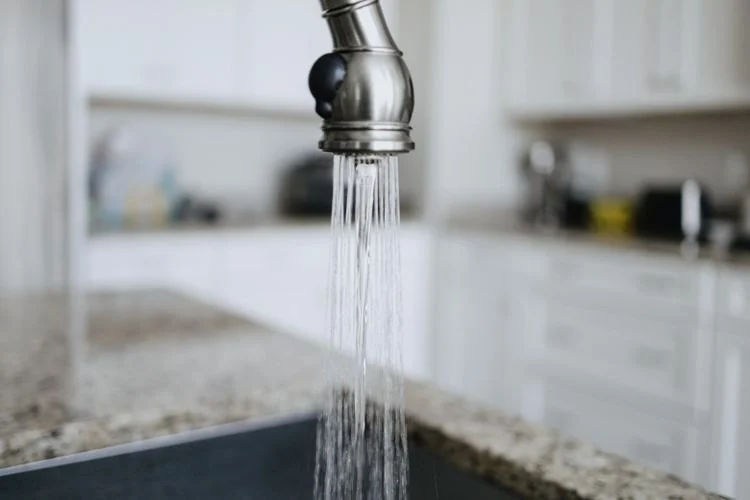
White, chalky deposits around faucets are a classic sign of mineral buildup. These stains are not just cosmetic—they indicate ongoing water composition issues.
3.2 Shower Door Residue
Glass shower doors often develop a cloudy film that is difficult to remove with standard cleaning products. This is caused by calcium deposits bonding with soap residue.
3.3 Clogged Shower Heads
Mineral accumulation can block water flow in shower heads, leading to uneven pressure and reduced performance.
Many homeowners initially think these issues are cleaning-related, but they often stem directly from water quality rather than maintenance habits.
4. Real Homeowner Stories - What People Noticed Too Late
Real-life experiences often highlight how easy it is to overlook early warning signs of hard water problems.
4.1 The “New House, Old Problem” Experience
A family in Colorado moved into a newly renovated home and assumed everything was in perfect condition. Within months, they noticed cloudy glassware and frequent dishwasher issues. A plumber later confirmed severe mineral buildup in the plumbing system despite the home’s modern appearance.
4.2 The Expensive Water Heater Surprise
Another homeowner in Texas reported a water heater failure after only four years. Inspection revealed thick sediment buildup caused by untreated hard water. The replacement cost was significantly higher than installing a water softening system would have been.
4.3 The Skin and Hair Change Discovery
A homeowner in the Midwest noticed persistent dry skin and brittle hair in the household. It wasn’t until a water test was done that they realized hard water was the root cause affecting daily comfort.
These stories show that recognizing signs your home has hard water early can prevent both financial loss and daily discomfort.
5. Practical Solutions - How to Fix Hard Water Effectively
Once hard water is identified, the next step is finding the right solution. The approach depends on severity and household needs.
5.1 Water Softener Systems
Water softeners are the most effective long-term solution. They remove calcium and magnesium through ion exchange, replacing them with sodium or potassium ions.
5.2 Point-of-Use Filters
For smaller-scale improvement, filters installed at specific faucets or shower heads can reduce mineral exposure in targeted areas.
5.3 Descaling Maintenance
Regular cleaning of appliances using descaling agents helps reduce buildup, though this is more of a maintenance step than a full solution.
Choosing the right system depends on water hardness levels and household size. Many homeowners explore options through trusted platforms that help match solutions to specific needs.
Services like professional home water assessment tools available through water quality solution providers can guide homeowners toward the most efficient setup for their situation.
6. Long-Term Prevention - Keeping Water Quality Under Control
Preventing hard water damage requires consistent attention rather than one-time fixes.
6.1 Regular Water Testing
Testing water annually helps identify changes in mineral levels before damage becomes visible.
6.2 Appliance Maintenance Routine
Flushing water heaters and cleaning dishwasher filters reduces long-term scale buildup.
6.3 Monitoring Household Changes
Small changes—like reduced water pressure or increased soap usage—can indicate shifting water quality conditions.
Homeowners who stay proactive often avoid the expensive cycle of repeated appliance replacement and plumbing repairs.
7. Expert Observations - What Water Specialists Recommend
Water quality experts emphasize that hard water is not dangerous in most cases, but it significantly impacts household efficiency and comfort.
Professionals often recommend installing a water softener when hardness levels exceed moderate thresholds, especially in areas with known mineral-rich groundwater.
They also stress that ignoring early signs your home has hard water leads to cumulative damage that becomes expensive to reverse.
In many cases, specialists suggest starting with a full home water assessment before choosing a solution. This ensures that homeowners invest in the right system instead of temporary fixes.
For those looking to improve water quality, reduce appliance damage, and enhance daily comfort, exploring reliable solutions through trusted water system providers can be a smart next step. Taking action early not only protects your home but also improves everyday living quality in ways most people don’t realize until the problem is solved.
 Jim Manley Plumbing & Heating5.0 (13 reviews)
 Barry Way Plumbing5.0 (14 reviews)
 Gohn & Stambaugh Inc4.0 (42 reviews)
 Atlantic Mechanical Contractors of North Jersey4.0 (48 reviews)
 Toro Plumbing and Mechanical, LLC4.0 (65 reviews)
 Mr Plumber3.0 (46 reviews)
 Beginner's Guide to Low Water Pressure and How to Fix It
 Why Does Your Hot Water Smell Bad and How to Fix It
 When Should You Call a Plumber for Water Damage in Your Bathroom? | PlumberNear
 Preventing Winter Plumbing Issues: Common Causes & Solutions
 Step-by-Step Guide to Fixing a Broken Water Heater
 Expert Advice on a Leaking Faucet: How to Fix It and Prevent Future Leaks