
- what-is-low-water-pressure-in-homes
- main-causes-of-low-water-pressure-in-us-homes
- how-to-diagnose-low-water-pressure-at-home
- real-life-example-of-a-low-pressure-nightmare
- when-to-call-a-pro-like-plumbernear
1. What Is Low Water Pressure in Homes?
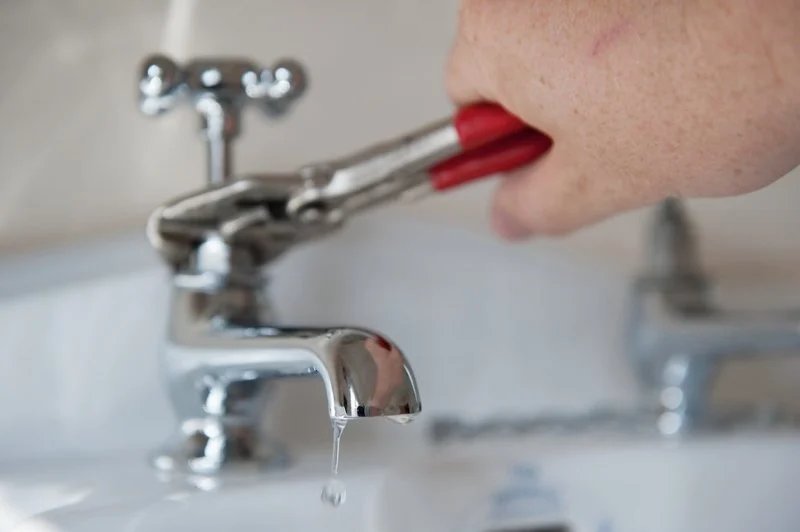
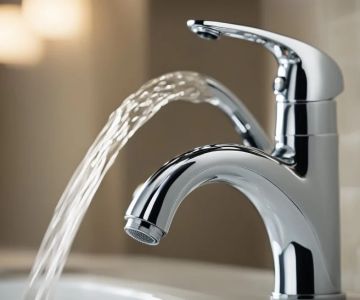
Low water pressure refers to a situation where the water coming out of your faucets or showerheads is weaker than expected. It’s a common issue in many U.S. homes, especially older properties or buildings with aging plumbing infrastructure. Whether you're filling a pot in the kitchen or taking a morning shower, low water pressure can be frustrating and inconvenient.
Understanding how and why it happens is the first step toward fixing it—and in some cases, even preventing it altogether. While the issue might seem minor, it can signal deeper plumbing problems beneath the surface.
Stashluk Mechanical Contractors Inc. / stashluk
Franklin TownshipHunterdon CountyNew Jersey
998 Croton Rd, Pittstown, NJ 08867, USA
2. Main Causes of Low Water Pressure in U.S. Homes
2.1 Buildup Inside Pipes
Over time, mineral deposits (especially in hard water regions) and debris can accumulate inside pipes, narrowing the pathway for water flow. This is one of the most common causes of water pressure issues in places like Arizona or parts of the Midwest with high mineral content in the water.

Warrior Plumbing & Heating / warrior plumbing
4123 Roland Ave, Baltimore, MD 21211, USA
2.2 Corroded Plumbing Systems
Homes built before the 1970s may have galvanized steel pipes that corrode over time. As corrosion worsens, the diameter inside the pipe shrinks, reducing water pressure drastically across fixtures.
2.3 Faulty Pressure Regulator
Some homes use a water pressure regulator to control the flow from municipal supplies. When it fails, it can cause either a spike or a dramatic drop in pressure.
2.4 Leaks or Blockages
Even a small leak hidden behind a wall or under a slab can drain your pressure. Similarly, clogs or partially closed valves will restrict flow.
2.5 Municipal Supply Problems
Sometimes, the issue lies outside your home. City-wide maintenance, burst water mains, or fire hydrant use nearby can temporarily lower your pressure levels.
3. How to Diagnose Low Water Pressure at Home
3.1 Test Multiple Fixtures
If the low pressure only affects one tap or shower, the issue may be isolated to that fixture—perhaps due to a clogged aerator. If it’s affecting the whole house, the issue likely stems from your main supply line, pressure regulator, or water heater.
3.2 Use a Water Pressure Gauge
Available at most hardware stores, a pressure gauge can help you test your home's water pressure at an outdoor hose bib. Ideal home pressure ranges between 40 and 60 psi. Anything below 30 psi should be checked professionally.
3.3 Check for Hidden Leaks
Turn off all faucets and water-using appliances, then watch your water meter. If it’s still ticking, there’s likely a leak somewhere—often underground or inside walls.
4. Real-Life Example of a Low Pressure Nightmare
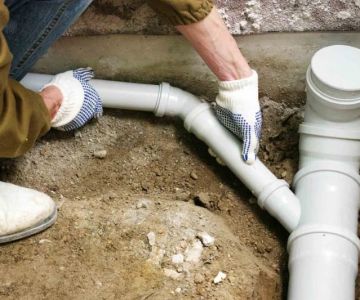
In Raleigh, North Carolina, a young couple noticed their water flow was dwindling each week. Showers became barely more than a trickle. After several failed DIY attempts, they called a pro who discovered a corroded main line under the driveway. The fix cost $3,500—but if they’d waited longer, the damage could’ve reached their foundation. It was a hard but valuable lesson in early diagnosis.
5. When to Call a Pro Like PlumberNear
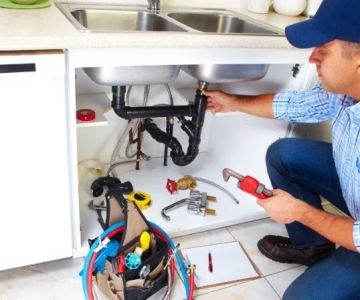
If you've checked the obvious issues and still can’t fix your water pressure, it’s time to bring in a licensed plumber. With PlumberNear, American homeowners can connect with vetted professionals who specialize in diagnosing and resolving pressure issues quickly and affordably.
Whether you’re in Florida dealing with sandy soil corrosion or in California battling mineral buildup, PlumberNear can connect you to experts who understand the unique regional plumbing challenges you face. Their inspections often catch what DIY tests miss—saving you from costly damage down the line.
 Guarded Plumbing LLC4.0 (21 reviews)
 J&C Plumbing and Sewer Service, Inc.4.0 (272 reviews)
 Gould Plumbing & Heating4.0 (37 reviews)
 Order A Plumber Inc.5.0 (3 reviews)
 Blanchard Oil Company4.0 (51 reviews)
 Fairfax Electric Plumbing-Gas4.0 (160 reviews)
 Beginner's Guide to Installing a New Toilet: Step-by-Step Tips
 Signs You Need Sewer Line Backups Resolved Immediately
 How to Fix and Unclog a Bathtub Drain Like a Pro
 Step-by-Step Guide to Clogged Drains and How to Fix Them
 Is It Safe to Installing a New Toilet
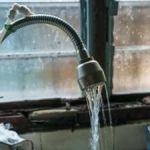 How Often Should You Check Low Water Pressure in Your Home