
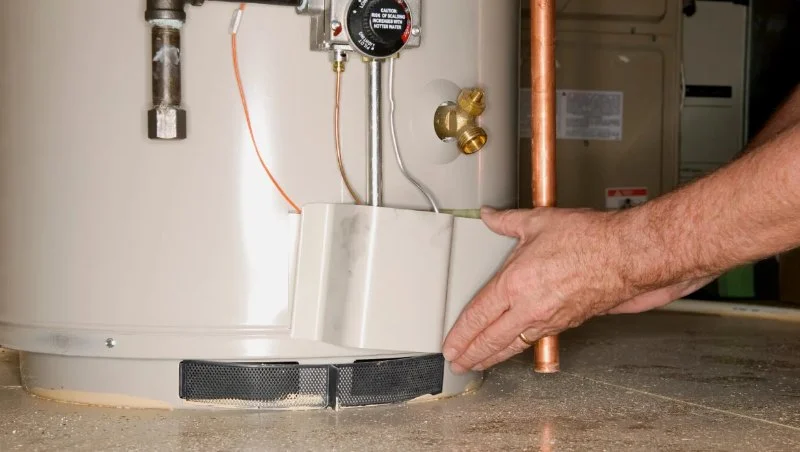
Solving the Mystery: Why Your Water Heater Is Not Staying Hot
- -common-reasons-water-heater-cools-quickly-#common-reasons-water-heater-cools-quickly
- -thermostat-and-temperature-settings-#thermostat-and-temperature-settings
- -heating-element-or-pilot-problems-#heating-element-or-pilot-problems
- -sediment-buildup-affecting-performance-#sediment-buildup-affecting-performance
- -water-leaks-and-pressure-issues-#water-leaks-and-pressure-issues
- -electric-vs-gas-water-heater-considerations-#electric-vs-gas-water-heater-considerations
- -tips-for-maintenance-and-prevention-#tips-for-maintenance-and-prevention
- -when-to-call-a-professional-#when-to-call-a-professional
- -upgrading-your-water-heater-#upgrading-your-water-heater
- -final-thoughts-on-restoring-hot-water-#final-thoughts-on-restoring-hot-water
1. Common Reasons Your Water Heater Cools Quickly
If you’ve noticed that your water heater is not staying hot, you’re not alone. Many homeowners face intermittent hot water issues. Often, the problem is not with the water heater itself but rather a combination of factors such as system age, mineral buildup, or improper settings. Understanding the root causes is the first step in fixing the problem.
In a recent case, a homeowner in Texas found their water heater delivering lukewarm water in the mornings. After inspection, they discovered a malfunctioning thermostat and partial sediment clog, a combination that often goes unnoticed until consistent hot water is needed.
2. Thermostat and Temperature Settings
The thermostat regulates your water heater’s temperature. If it is set too low or has malfunctioned, water will not remain hot. Electric water heaters typically have two thermostats, while gas models rely on a single control dial. Adjusting to the recommended 120°F can prevent scalding and save energy, but inaccurate readings may result in tepid water.
Testing the thermostat with a multimeter or observing water temperature changes over several hours can help identify faulty settings. Even a slight misalignment can significantly affect performance.
3. Heating Element or Pilot Problems
Electric water heaters rely on heating elements to raise water temperature. Over time, elements may burn out or accumulate corrosion. Gas heaters, on the other hand, use a pilot light or electronic ignition. A pilot that fails to ignite properly or a clogged burner reduces water heating efficiency.
A real-life scenario involved a household in California where one heating element had failed, causing the lower tank portion to remain cold while the upper portion stayed warm. Replacing the faulty element restored consistent heat throughout the tank.
4. Sediment Buildup Affecting Performance
Hard water contains minerals that settle at the bottom of your tank, forming sediment layers. These layers act as insulation, preventing efficient heat transfer. Over time, this causes the water heater to run longer or fail to maintain desired temperatures.
Flushing the tank annually is a proven solution. In a case from Florida, sediment accumulation reduced a water heater’s efficiency by 30%. After proper flushing, hot water was restored, and energy consumption decreased.
5. Water Leaks and Pressure Issues
Leaks can cause a drop in water temperature. Even minor leaks in connections, valves, or the tank itself may affect performance. Additionally, fluctuating water pressure can cause inconsistent heating, especially in tankless systems that rely on flow sensors.
Detecting leaks early not only restores water temperature but also prevents potential damage to floors or walls. Homeowners often overlook small drips until a larger failure occurs, highlighting the importance of routine inspection.
6. Electric vs Gas Water Heater Considerations
The type of water heater impacts troubleshooting. Electric models rely on elements and electrical connections, whereas gas models depend on burners and ventilation. Each has unique failure modes; electric heaters often have wiring or element issues, while gas units may have pilot or venting problems.
Understanding these differences allows for targeted repair, saving time and money. For example, an electric water heater may display consistent lukewarm water if only one element is working, while a gas unit may fail due to flame obstruction or thermocouple failure.
7. Tips for Maintenance and Prevention
Preventive maintenance ensures your water heater stays hot for years. Key tips include: flushing the tank annually, inspecting anode rods, checking thermostat settings, and observing for leaks. Regular maintenance prevents sediment accumulation, prolongs element life, and minimizes unexpected failures.
Simple habits like monitoring water temperature weekly and scheduling professional inspections annually can dramatically reduce the chances of your water heater failing when you need it most.
8. When to Call a Professional
Some problems require expert attention. If you notice persistent lukewarm water, strange noises, or leaks, it’s time to call a certified plumber. Professionals can diagnose issues accurately, replace faulty parts, and ensure the system meets safety standards.
Attempting complex repairs without expertise may result in further damage or safety hazards, especially with gas water heaters. Timely professional intervention often saves money and restores hot water efficiently.
9. Upgrading Your Water Heater
Sometimes, age and efficiency limitations warrant upgrading. Modern water heaters, including tankless options, offer energy savings, faster recovery rates, and consistent hot water delivery. Investing in a high-efficiency unit ensures reliable performance and reduces long-term costs.
For homeowners struggling with recurring temperature problems, upgrading can eliminate frustration and provide peace of mind. Select models with appropriate capacity for your household and features like digital thermostats and corrosion-resistant tanks.
10. Final Thoughts on Restoring Hot Water
Understanding why your water heater is not staying hot requires careful observation and methodical troubleshooting. From thermostat settings and heating elements to sediment buildup and leaks, multiple factors contribute to inconsistent temperatures. By following the outlined steps and performing regular maintenance, you can restore reliable hot water.
For those looking for convenient solutions or replacement options, exploring the latest high-efficiency water heaters from trusted suppliers ensures your home enjoys uninterrupted hot water. Taking proactive steps today prevents cold showers tomorrow.
 A G Sewer Repair, LLC4.0 (1 reviews)
 Tomco Plumbing5.0 (3 reviews)
 Royal Plumbing Services, LLC4.0 (72 reviews)
 Tech Berati LLC - Plumbing Heating & Cooling5.0 (39 reviews)
 Drain Pro4.0 (27 reviews)
 Pittinger Plumbing, Inc.0.0 (0 reviews)
 Expert Advice on Fixing a Garbage Disposal
 What Causes and Prevents Winter Plumbing Issues in U.S. Homes
 How to Install a New Showerhead and Save Water
 How Often Should You Check for Water Damage in Your Bathroom
 How to Troubleshoot and Fix a Toilet Tank That Won’t Hold Water
 How to Fix a Leaking Shower Drain Flange: Step-by-Step Guide