
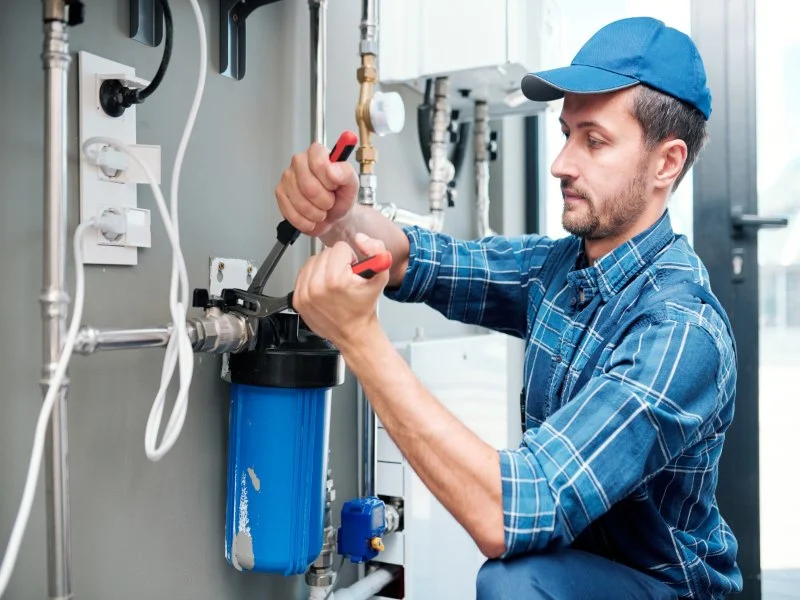
Having a broken water heater can be a frustrating experience, leaving you without hot water and potentially causing damage to your home. Whether your water heater is leaking, making strange noises, or simply failing to provide hot water, it's important to know how to diagnose and fix the issue. In this article, we provide expert advice on dealing with a broken water heater, including common problems, repair options, and tips for extending the lifespan of your unit.
- 1. Common Signs of a Broken Water Heater
- 2. How to Diagnose Water Heater Problems
- 3. Repair or Replacement: Which Is Best?
- 4. Preventive Maintenance Tips for Your Water Heater
- 5. When to Call a Plumber for Water Heater Issues
1. Common Signs of a Broken Water Heater
If your water heater is malfunctioning, there are several signs that can indicate a problem. Recognizing these early can help prevent further damage and costly repairs:
- No Hot Water: This is the most obvious sign of a broken water heater. If you turn on the hot water tap and get nothing but cold water, your water heater may have a serious issue.
- Inconsistent Water Temperature: If the water temperature fluctuates or suddenly becomes cold, there may be an issue with the thermostat or heating elements.
- Strange Noises: Banging, popping, or rumbling noises coming from your water heater often indicate that there is sediment buildup in the tank, which can cause damage over time.
- Leaking Water: A leaking water heater can cause significant water damage. If you notice water around the base of your unit, it may be leaking from the tank or the plumbing connections.
- Discolored Water: If the hot water looks rusty or discolored, it could indicate that the tank is corroding, and the water heater may need to be replaced.
2. How to Diagnose Water Heater Problems
Once you notice any of the signs mentioned above, it's essential to diagnose the problem. Here are some basic steps you can take to identify the issue with your water heater:
- Check the Power Supply: If you have an electric water heater, check to ensure the power supply is intact. Check the circuit breaker to make sure it hasn’t tripped, and verify that the electrical connections are working properly.
- Inspect the Thermostat: If the water isn’t hot enough or fluctuates, the thermostat could be malfunctioning. Set it to the correct temperature (usually 120°F or 49°C) and see if the issue persists.
- Inspect the Pilot Light (for Gas Heaters): For gas water heaters, check if the pilot light is lit. If it’s out, follow the manufacturer’s instructions to relight it. If the pilot light won’t stay on, you may need a new thermocouple.
- Look for Sediment Buildup: Over time, mineral deposits can accumulate at the bottom of the tank. This can cause the water heater to make strange noises and lead to reduced heating efficiency. Flushing the tank can help alleviate this problem.
- Check for Leaks: Examine the tank and plumbing connections for signs of leaks. Leaks can be caused by corrosion or loose fittings. If you find a leak, it may require a professional plumber’s attention to fix it properly.
3. Repair or Replacement: Which Is Best?
When your water heater is broken, you may face the decision of whether to repair it or replace it. Here’s how to determine which option is best:
- Repairing a Water Heater: If your water heater is relatively new and the damage is limited to minor issues such as a faulty thermostat, heating element, or a small leak, repairing it is usually the more cost-effective option.
- Replacing a Water Heater: If your water heater is old (more than 10 years old) or the damage is extensive (e.g., a severely corroded tank or major leaks), it’s often more economical to replace the entire unit. A new water heater will also be more energy-efficient and provide better long-term value.
- Energy Efficiency Considerations: If you choose to replace your water heater, consider upgrading to a more energy-efficient model, such as a tankless water heater or a solar water heater, which can help reduce your utility bills over time.
4. Preventive Maintenance Tips for Your Water Heater
To avoid future water heater issues, regular maintenance is essential. Here are some preventive tips to keep your water heater running smoothly:
- Flush the Tank Regularly: Flushing your water heater at least once a year can help remove sediment buildup, which can reduce efficiency and prevent damage to the tank.
- Inspect the Anode Rod: The anode rod helps prevent corrosion inside the tank. Have it inspected regularly and replace it when necessary to prolong the lifespan of your water heater.
- Check the Temperature Setting: Keep the thermostat set to 120°F (49°C) to prevent overheating and reduce energy consumption.
- Inspect for Leaks: Regularly check the plumbing connections and the base of the tank for signs of leaks. Catching leaks early can help prevent water damage and expensive repairs.
5. When to Call a Plumber for Water Heater Issues
While minor issues can often be fixed by homeowners, there are times when it’s best to call a professional plumber. Here are a few situations where you should call in an expert:
- Persistent Problems: If your water heater continues to malfunction despite your efforts to repair it, it’s time to call a plumber. They can accurately diagnose the problem and provide long-term solutions.
- Gas Water Heater Issues: If you have a gas water heater and are experiencing issues with the pilot light, gas valve, or burner, it’s best to consult a licensed plumber to ensure your safety.
- Major Leaks: If you notice a major leak or flooding around your water heater, it’s critical to call a plumber immediately to prevent significant water damage to your home.
- Complex Repairs: If your water heater requires complex repairs, such as replacing the tank or components that require specialized knowledge, a professional plumber should handle the work.
If you are experiencing issues with your water heater, don’t hesitate to reach out to PlumberNear for expert advice and services. Our team of experienced plumbers is ready to help with repairs, replacements, and preventive maintenance.
In conclusion, handling a broken water heater can be overwhelming, but with the right knowledge and expert advice, you can restore your hot water supply and prevent future issues. Whether you need to repair or replace your unit, following proper maintenance procedures can ensure your water heater remains in top condition for years to come. For more information and assistance, visit PlumberNear for trusted plumbing services.
 Hayner Plumbing Services4.0 (25 reviews)
 David Callis Plumber0.0 (0 reviews)
 Freddy's Sewer & Drain Cleaning5.0 (2 reviews)
 Viper Plumbing4.0 (91 reviews)
 City Plumbers Heating Air Conditioning & Drain Cleaning4.0 (15 reviews)
 Transou's Plumbing & Septic | Emergency Plumber High Point, NC | Tankless Water Heater Repair | Septic Tank | Sewer Repair0.0 (0 reviews)
 Should I Replace or Repair Maintaining Your Plumbing System?
 What Causes Frozen Pipes and How to Prevent Them
 Is It Safe to Detect a Hidden Water Leak? A Complete Guide
 How to Fix Replacing Old Pipes: A Step-by-Step Guide to Upgrading Your Plumbing
 What to Do If Clogged Drains: Expert Solutions for Unclogging Your Pipes
 Is It Safe to Diagnosing Plumbing Noises?