
Should I Replace or Repair Maintaining Your Plumbing System?
- Understanding Plumbing Repair vs. Replacement
- Signs You Need Plumbing Repair
- When to Consider Plumbing Replacement
- Cost Considerations for Plumbing Repair vs. Replacement
- Finding the Right Plumbing Expert for Repairs or Replacement
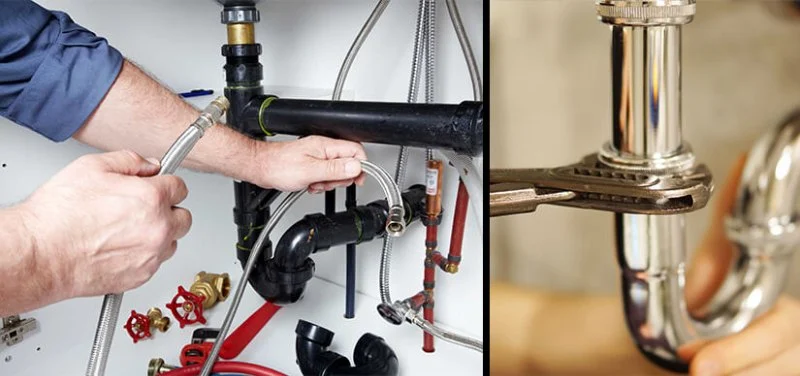
When it comes to maintaining your plumbing system, one of the most common questions homeowners face is whether to repair or replace parts of the system. Plumbing issues can range from minor leaks to significant pipe damage, and knowing when to repair and when to replace can save you both time and money. This decision often depends on the severity of the problem, the age of your plumbing, and the overall condition of your pipes. In this article, we will explore the factors that determine whether you should repair or replace your plumbing system and offer helpful insights for making the best choice.
Before jumping to the conclusion that your plumbing needs to be replaced, it’s important to identify when a repair might be sufficient. Here are some signs that your plumbing might only need a repair:
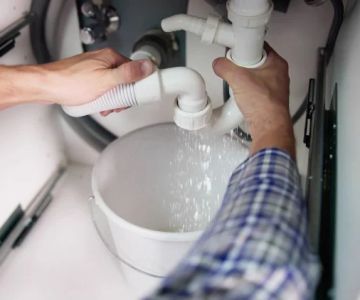
- Minor Leaks: Small leaks in pipes or faucets can usually be repaired without the need for replacement. These can often be fixed by sealing or replacing washers and O-rings.
- Clogged Drains: If you have recurring drain issues, a professional plumber can clear the clog, and your pipes may not need to be replaced.
- Low Water Pressure: Low water pressure is often caused by blockages or mineral buildup in the pipes, which can be cleared with a cleaning or repair.
- Visible Corrosion: Corrosion on exposed pipes can sometimes be repaired by replacing the affected section rather than replacing the entire system.
While repairs may solve certain problems, there are situations where replacing part or all of your plumbing system is the better option. Consider replacement in the following scenarios:
- Frequent Plumbing Issues: If your plumbing system is consistently having problems (e.g., frequent leaks, blockages, or bursts), it might be time to consider a full replacement to avoid ongoing repair costs.
- Old and Outdated Pipes: Older plumbing systems, especially those with galvanized steel pipes, are more prone to rust and corrosion. If your pipes are decades old, replacement may be necessary to prevent future issues.
- Major Pipe Damage: If there are large sections of damaged pipes, especially those with significant cracks or leaks, replacing the affected pipes may be more cost-effective than continually repairing them.
- Water Contamination: If your water supply is contaminated due to corroded pipes or leaks, replacing your pipes is often the safest and most effective solution.
Cost is a major factor when deciding whether to repair or replace your plumbing system. Repairs tend to be less expensive upfront, with costs varying depending on the type of issue and the parts that need to be fixed. However, frequent repairs or significant damage may add up over time. On the other hand, replacing plumbing may seem costly initially, but it can increase the efficiency of your home’s water system and reduce the need for future repairs. Additionally, modern plumbing materials, like PEX or PVC, are often more durable and cost-effective than older materials like copper or galvanized steel. When deciding, weigh the cost of repairs versus the long-term benefits of replacement.
Whether you need a repair or a replacement, finding the right plumbing expert is crucial. Look for a licensed and experienced plumber who can accurately assess your system and provide a fair estimate for both repairs and replacements. Ask for references or read online reviews to ensure you’re hiring someone trustworthy. A reputable plumber will also help you understand the costs involved and help you make an informed decision based on your specific plumbing needs. It’s also helpful to get multiple quotes for larger projects like a full system replacement to ensure you’re getting the best value.

Warrior Plumbing & Heating / warrior plumbing
4123 Roland Ave, Baltimore, MD 21211, USA
Conclusion: Repair or Replace Your Plumbing System?
Deciding whether to repair or replace your plumbing system depends on several factors, including the age of your system, the extent of the damage, and your budget. If the problem is minor, a repair may suffice. However, if your plumbing system is old, frequently damaged, or posing health risks, replacing it may be the most cost-effective and long-term solution. Regular maintenance and inspections can help you identify issues early, potentially saving you from costly repairs or replacements in the future. For expert plumbing services and advice, visit PlumberNear for trusted professionals who can guide you through the process of maintaining and upgrading your plumbing system.
 Guardian Plumbing LLC0.0 (0 reviews)
 Kinnett Plumbing of Woodbridge, VA4.0 (812 reviews)
 S&S Plumbing and Heating4.0 (28 reviews)
 John Snyder Plumbing & Heating5.0 (17 reviews)
 2brothershomeservices5.0 (4 reviews)
 Artisan Plumbing & Heating, LLC4.0 (48 reviews)
 How Long Does It Take to Replace Old Pipes? | Expert Insights & Tips
 Should I Replace or Repair Frozen Pipes? Tips for Homeowners
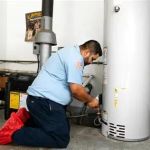 Top Tips for a Broken Water Heater: What Every U.S. Homeowner Should Know
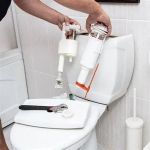 Expert Tips for Fixing a Running Toilet: Troubleshooting & Solutions
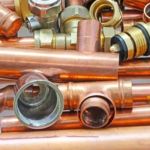 How Long Does It Take to Choose the Right Pipe Materials
 Why Is My Toilet Running? Common Causes and How to Fix It