
- 1. Understanding Low Water Pressure
- 2. Common Causes of Low Water Pressure
- 3. Step-by-Step Guide to Fixing Low Water Pressure
- 4. Preventing Low Water Pressure in the Future
- 5. When to Call a Plumber for Low Water Pressure
1. Understanding Low Water Pressure
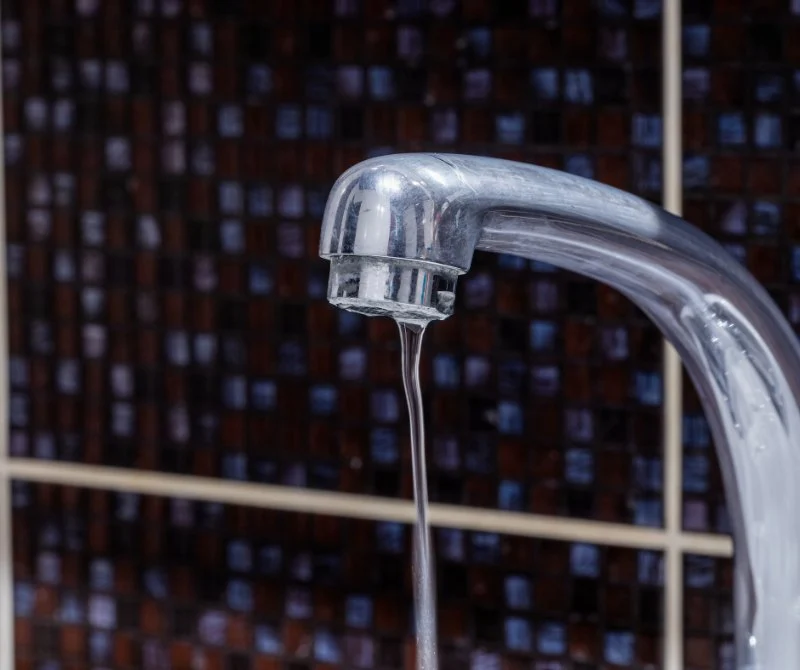
Low water pressure can be a frustrating issue for homeowners and office managers alike. It affects everything from showering to cleaning, and in severe cases, it can even make basic tasks like washing dishes difficult. In this guide, we’ll explore the causes of low water pressure, how to troubleshoot the problem, and what steps to take to restore optimal flow to your plumbing system. By the end of this article, you’ll have a clear understanding of how to resolve this common plumbing issue and improve your water pressure.
Go Green Plumbing, Heating, Air & Electrical / go green plumbing heating and air
GreensboroGuilford CountyNorth Carolina
300 Pomona Dr, Greensboro, NC 27407, USA
2. Common Causes of Low Water Pressure
Understanding why your water pressure is low is the first step to fixing the problem. Here are some of the most common causes of low water pressure:
- Clogged Pipes: Over time, pipes can accumulate mineral deposits, rust, or debris, which can restrict water flow and cause low pressure.
- Leaky Pipes: A leak in your plumbing system can result in water being diverted away from its intended destination, causing a noticeable drop in pressure.
- Faulty Pressure Regulator: If your home has a pressure regulator, it may be malfunctioning, causing water pressure to drop below the desired level.
- Corroded Pipes: In older homes, pipes can corrode and develop small holes that allow water to escape, leading to reduced pressure throughout the system.
- Shared Water Source: If multiple homes or apartments share a single water line, it can cause low water pressure, particularly during high demand times.
- Municipal Supply Issues: Sometimes, low water pressure can be caused by external factors, such as problems with the water supply system managed by the local municipality.
3. Step-by-Step Guide to Fixing Low Water Pressure
Now that you understand the common causes of low water pressure, let’s go through a step-by-step guide to help you fix the issue in your home or office.
- Step 1: Check the Pressure Regulator: If your home has a pressure regulator, check to see if it is set correctly. You can test the water pressure with a gauge or call a plumber to inspect the regulator.
- Step 2: Inspect the Pipes: Look for any visible signs of leaks, corrosion, or clogs. If you suspect a clog, you can try using a pipe cleaner or chemical drain cleaner to remove the buildup.
- Step 3: Clean Faucets and Showerheads: Sometimes low pressure is due to mineral deposits or buildup in your faucets or showerheads. Remove them and soak them in vinegar to clean out the debris.
- Step 4: Check for Water Leaks: Inspect all visible pipes for leaks, and pay attention to areas like the basement or under-sink cabinets. Fixing leaks can often restore proper pressure.
- Step 5: Test for Shared Water Supply Issues: If your home shares a water line with others, water pressure may fluctuate depending on their usage. In this case, consider installing a water pressure booster to maintain consistent pressure.
- Step 6: Call a Professional: If none of the above steps resolve the issue, it’s time to call a licensed plumber. They will have the tools and experience needed to diagnose and fix the problem, including inspecting your pipes for blockages, damage, or leaks that may not be visible.
4. Preventing Low Water Pressure in the Future
Once you’ve addressed the current issue, you’ll want to take steps to prevent low water pressure from occurring again in the future. Here are some tips:
- Regular Maintenance: Periodically check your pipes and plumbing fixtures for buildup, leaks, and corrosion. Addressing small issues early can help prevent larger problems later.
- Install Water Softeners: If you live in an area with hard water, installing a water softener can reduce mineral buildup in your pipes, preventing clogs and improving water flow.
- Upgrade Your Plumbing: If you live in an older home, consider upgrading your plumbing system to more modern materials like PEX or copper pipes, which are less prone to corrosion and clogs.
- Install a Pressure Booster: If your water pressure consistently runs low, installing a water pressure booster can help maintain optimal flow throughout your home or office.
5. When to Call a Plumber for Low Water Pressure
While many low water pressure issues can be solved by homeowners with DIY steps, there are times when it’s best to call a plumber. If you’ve tried the above solutions and the problem persists, or if you notice a significant drop in water pressure that affects the entire home or office, it’s time to seek professional help. A plumber can identify the root cause of the problem and provide the necessary repairs to restore your water pressure to normal levels.
If you're in need of professional plumbing services, visit PlumberNear for trusted and experienced professionals in your area.
 WRF & Son Plumbing & Heating Inc4.0 (48 reviews)
 Sherman Smith Plumbing, Heating & Air4.0 (29 reviews)
 Steve Roberson's Plumbing, Inc.5.0 (23 reviews)
 AZ Plumbing LLC5.0 (114 reviews)
 Two Eight Plumbing, Heating, and Cooling4.0 (11 reviews)
 Caporuscio Plumbing & Heating, Inc.4.0 (74 reviews)
 What Causes and Prevents Winter Plumbing Issues in U.S. Homes
 Beginner's Guide to Unclogging a Bathtub Drain: Easy Steps for Homeowners
 Step-by-Step Guide to Clogged Drains: What to Do and When to Call a Plumber
 Plumber's Tips for Frozen Pipes: How to Prevent and Fix Them
 How Often Should You Replace Old Pipes?
 DIY Fixes for Maintaining Your Plumbing System