
- 1. Understanding the Causes of Clogged Drains
- 2. Simple Steps to Fix a Clogged Drain
- 3. Tools You’ll Need to Unclog Your Drains
- 4. When to Call a Professional Plumber
- 5. How to Prevent Clogged Drains in the Future
1. Understanding the Causes of Clogged Drains
Clogged drains are a common plumbing issue that can happen in any home. They are typically caused by a buildup of materials inside your pipes. Grease, hair, soap, food scraps, and even tree roots can contribute to blockages. Understanding these causes is the first step in preventing clogged drains. Here’s why they occur:
- Grease and Oil: Pouring cooking oil or grease down the drain can solidify over time, leading to blockages.
- Hair: Hair strands can easily accumulate in drains, especially in showers or bathroom sinks.
- Food Scraps: Small bits of food, particularly in kitchen sinks, can collect and cause clogs.
- Mineral Build-up: Hard water can leave deposits that accumulate in pipes, narrowing the passage and causing clogs.
2. Simple Steps to Fix a Clogged Drain
If you’re dealing with a clogged drain, don’t panic. Many blockages can be solved with a few simple steps. Here's how you can fix it yourself:
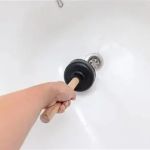
- Use a Plunger: A plunger can help dislodge most clogs. Ensure the drain is covered, and create a tight seal before plunging.
- Try a Drain Snake: A drain snake is a flexible tool that can reach deeper into pipes, grabbing hair or other debris causing the blockage.
- Use a Baking Soda and Vinegar Solution: Pour half a cup of baking soda followed by half a cup of vinegar down the drain. Let it sit for 15 minutes, then rinse with hot water.
3. Tools You’ll Need to Unclog Your Drains
If you’re tackling the clog yourself, having the right tools will make the process easier. Here are a few tools you should keep on hand:
- Plunger: The most common tool for clearing minor clogs.
- Drain Snake: A must-have tool for deep blockages.
- Baking Soda and Vinegar: These common household items can work wonders for minor clogs.
- Wet/Dry Vacuum: A wet/dry vacuum can help suck up debris from a drain if it's within reach.
4. When to Call a Professional Plumber
Sometimes, a clog is too serious for DIY methods. Here are signs that you should call a plumber:
- Persistent Clogs: If plunging or other methods don’t work, it could indicate a more severe issue, such as a broken pipe.
- Multiple Drains Are Clogged: If several drains in your home are affected, there may be a larger plumbing issue.
- Foul Odor: A bad smell from your drains could indicate rotting food or other materials deep inside the pipes.
5. How to Prevent Clogged Drains in the Future
To avoid dealing with clogs in the future, here are a few preventive tips:
- Use Drain Screens: Install drain screens in your kitchen and bathroom sinks to catch hair, food, and debris.
- Avoid Pouring Grease Down the Drain: Dispose of cooking oil and grease in a container, not the sink.
- Regular Cleaning: Use a monthly baking soda and vinegar solution to keep pipes clear.
- Be Careful What Goes Down the Drain: Never flush things like wet wipes, sanitary products, or large food scraps.
If you're facing frequent clogs or need professional help, visit PlumberNear for expert plumbing services and advice.

 Guarded Plumbing LLC4.0 (21 reviews)
 J&C Plumbing and Sewer Service, Inc.4.0 (272 reviews)
 Gould Plumbing & Heating4.0 (37 reviews)
 Order A Plumber Inc.5.0 (3 reviews)
 Blanchard Oil Company4.0 (51 reviews)
 Fairfax Electric Plumbing-Gas4.0 (160 reviews)
 Beginner's Guide to Installing a New Toilet: Step-by-Step Tips
 Signs You Need Sewer Line Backups Resolved Immediately
 How to Fix and Unclog a Bathtub Drain Like a Pro
 Step-by-Step Guide to Clogged Drains and How to Fix Them
 Is It Safe to Installing a New Toilet
 How Often Should You Check Low Water Pressure in Your Home