
- 1. Understanding Clogged Drains
- 2. Common Causes of Clogged Drains
- 3. How to Prevent Clogged Drains
- 4. DIY Solutions for Clogged Drains
- 5. When to Call a Plumber for Clogged Drains
1. Understanding Clogged Drains
Clogged drains are one of the most common household plumbing issues, often causing frustration and inconvenience. Whether it’s a sink, shower, or toilet, a clogged drain can disrupt your daily routine. Understanding how drains work and what causes them to clog can help you prevent and solve these issues effectively.
Drains carry water from your home to the plumbing system, and when they become clogged, water can’t flow properly. This leads to standing water, bad odors, and potential damage to your pipes if left untreated. Clogged drains can range from minor slow drainage issues to severe blockages requiring professional attention.

Warrior Plumbing & Heating / warrior plumbing
4123 Roland Ave, Baltimore, MD 21211, USA
2. Common Causes of Clogged Drains
Clogged drains can happen for a variety of reasons. Here are some of the most common culprits:
- Food Waste: In kitchen sinks, food particles and grease are the leading causes of clogs. Even with a garbage disposal, some particles can slip through and accumulate over time.
- Hair Buildup: In bathrooms, hair is a frequent offender. It can easily collect in shower and tub drains, blocking the flow of water.
- Soap Scum: Soap scum and mineral deposits can build up on pipe walls, narrowing the passageway and slowing down drainage.
- Tree Roots: In older homes, tree roots can invade underground pipes, causing blockages and even pipe damage.
- Foreign Objects: Items such as toiletries, small toys, or cleaning products can accidentally fall into drains and cause blockages.
3. How to Prevent Clogged Drains
Preventing clogged drains starts with proper maintenance and mindful habits. Here are some tips to help keep your drains clear:
- Use Drain Screens: Installing screens or filters in bathroom drains helps catch hair and debris before it enters the pipe.
- Dispose of Food Waste Properly: Avoid putting large food scraps down the kitchen sink, especially grease or coffee grounds. Use a compost bin or trash can for disposal.
- Clean Drains Regularly: Use a mixture of vinegar and baking soda to clean your drains every few weeks. This will help prevent buildup and maintain smooth water flow.
- Be Mindful of What Goes Down the Drain: Avoid flushing anything other than toilet paper down the toilet, and don’t pour oils or fats down the kitchen sink.
- Schedule Routine Inspections: If you have an older home or suspect issues, schedule regular plumbing inspections to catch potential problems early.
4. DIY Solutions for Clogged Drains
If you already have a clogged drain, there are several DIY methods you can try before calling a plumber. Here are a few common approaches:
Lawrence Plumbing And Heating / lawrence plumbing
708 E Lake Ave, Baltimore, MD 21212, USA
Step 1: Boiling Water
For minor clogs, pouring boiling water down the drain can dissolve grease or soap scum buildup. Simply boil a kettle of water, and pour it slowly down the drain in stages. Allow the water to sit for a few minutes before testing the flow.
Step 2: Baking Soda and Vinegar
A powerful combination, baking soda and vinegar can break down many common clogs. Pour half a cup of baking soda into the drain, followed by half a cup of vinegar. Let it sit for about 30 minutes, then flush with hot water to clear the clog.
Step 3: Plunger
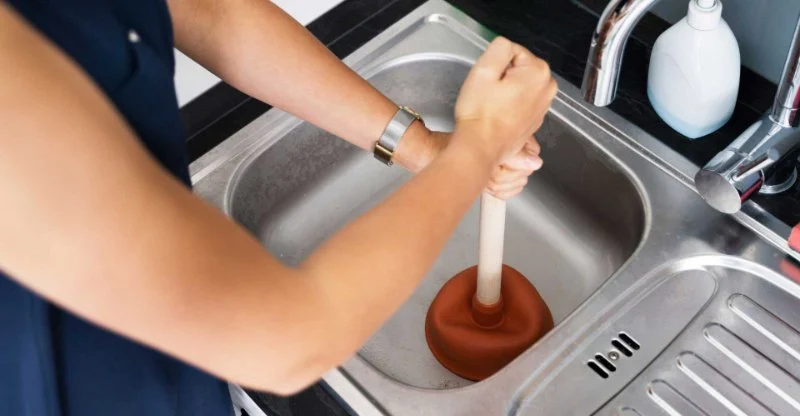
For toilets or sinks, a plunger can work wonders. Place the plunger over the drain and create a tight seal. Pump up and down vigorously to create suction, which can help dislodge the clog.
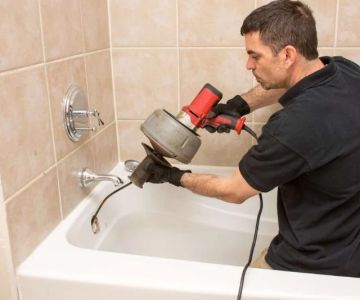
Step 4: Plumbing Snake
If the clog is deeper in the pipes, a plumbing snake or auger may be necessary. This tool allows you to reach further down the drain to remove tough blockages.
5. When to Call a Plumber for Clogged Drains
While many minor clogs can be handled with DIY methods, some situations require professional help. Here are some signs it’s time to call a plumber:
- Persistent Clogs: If your drain remains clogged despite multiple attempts to clear it, the problem may be more serious than you can fix on your own.
- Slow Draining: If water drains slowly from sinks or showers over time, this could be a sign of a more severe blockage deeper in your plumbing system.
- Unpleasant Odors: Foul smells coming from your drains may indicate stagnant water or decaying matter that needs professional removal.
- Multiple Clogged Drains: If several drains are clogged at once, it could indicate a problem with your main sewer line, which requires professional intervention.
Hiring a plumber can save you time, frustration, and prevent damage to your pipes. Look for a licensed and insured professional to ensure high-quality work. If you’re unsure where to start, visit PlumberNear for trusted plumbing services and products to keep your drains in top shape.

 WRF & Son Plumbing & Heating Inc4.0 (48 reviews)
 Sherman Smith Plumbing, Heating & Air4.0 (29 reviews)
 Steve Roberson's Plumbing, Inc.5.0 (23 reviews)
 AZ Plumbing LLC5.0 (114 reviews)
 Two Eight Plumbing, Heating, and Cooling4.0 (11 reviews)
 Caporuscio Plumbing & Heating, Inc.4.0 (74 reviews)
 What Causes and Prevents Winter Plumbing Issues in U.S. Homes
 Beginner's Guide to Unclogging a Bathtub Drain: Easy Steps for Homeowners
 Step-by-Step Guide to Clogged Drains: What to Do and When to Call a Plumber
 Plumber's Tips for Frozen Pipes: How to Prevent and Fix Them
 How Often Should You Replace Old Pipes?
 DIY Fixes for Maintaining Your Plumbing System