
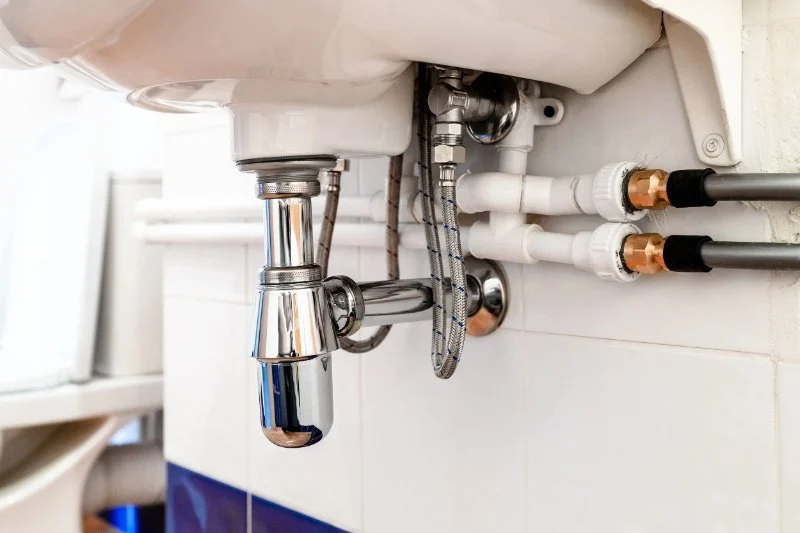
Avoid These Mistakes When Diagnosing Plumbing Noises
Plumbing noises can be a sign of trouble lurking within your pipes, but diagnosing these sounds correctly is crucial. While some noises may be harmless, others could indicate serious plumbing issues that require immediate attention. Understanding the sounds and avoiding common mistakes in diagnosing plumbing noises can help prevent unnecessary repairs and save you time and money. In this article, we will walk you through the process of identifying common plumbing noises and the steps to take when you hear them, ensuring you make the right call when it comes to repairs.
- 1. Identifying Common Plumbing Noises
- 2. Mistakes to Avoid When Diagnosing Plumbing Noises
- 3. How to Correctly Diagnose Plumbing Noises
- 4. When to Call a Professional Plumber
1. Identifying Common Plumbing Noises
When it comes to diagnosing plumbing noises, understanding the type of sound you are hearing is the first step. Here are some common sounds and what they could mean:
- Hissing: This could indicate a slow leak in the water supply line or a pressure issue. The sound may be faint at first but could worsen over time.
- Banging: Often referred to as "water hammer," this sound occurs when the water flow is suddenly stopped, causing pipes to vibrate. It can indicate an issue with the water pressure or a faulty valve.
- Gurgling: If you hear gurgling in your sink or toilet, it could be a sign of a clogged drain or vent stack. This sound happens when air is trapped in the plumbing system.
- Whistling: A high-pitched whistling noise often points to a problem with the faucet or a partially closed valve. It could also indicate a buildup of mineral deposits in the aerator.
2. Mistakes to Avoid When Diagnosing Plumbing Noises
Diagnosing plumbing issues based solely on sound can be tricky, and there are common mistakes that homeowners make when they hear strange noises. Avoid these pitfalls:
- Ignoring the Source: Don't assume that the noise is coming from one place just because it's the most obvious. The sound could be echoing through the pipes, making it difficult to pinpoint the actual problem.
- Overlooking Pressure Issues: Plumbing noises like banging or hissing could be related to high or fluctuating water pressure. It's important to check the pressure and adjust if necessary before assuming there's a blockage or leak.
- DIY Without Understanding: While DIY solutions can be cost-effective, attempting to fix plumbing noises without understanding the root cause can lead to bigger problems. It's essential to diagnose the issue correctly to avoid making things worse.
3. How to Correctly Diagnose Plumbing Noises
To diagnose plumbing noises accurately, follow these steps:
- Listen Carefully: Pay attention to the pattern of the noise (e.g., constant or intermittent) and the specific location. This will help you narrow down potential causes.
- Check Water Pressure: Install a water pressure gauge and check the pressure in your system. High pressure can cause banging, hissing, or whistling noises, while low pressure may lead to hissing or gurgling sounds.
- Inspect Valves and Faucets: If you hear whistling or hissing, check if the faucet aerator is clogged or if there are any valves that are partially closed.
- Examine Drains and Ventilation: Gurgling noises are often linked to clogs or ventilation issues in the drains. Ensure that your pipes are clear and vents are not blocked to allow proper airflow.
4. When to Call a Professional Plumber
If you’re unable to resolve the issue on your own or if the problem persists despite your efforts, it's time to call a professional. A licensed plumber can assess the situation more accurately, use specialized tools, and make necessary repairs to prevent further damage. It's always best to seek professional help when:
- The noise is persistent and doesn’t go away with simple adjustments.
- You notice signs of water damage, leaks, or structural issues.
- The noise is coming from deep within the pipes and is difficult to locate.
At PlumberNear, we recommend acting quickly if you hear any concerning plumbing noises. A timely response can help prevent costly repairs down the road.
In conclusion, understanding the cause of plumbing noises is crucial in addressing the issue effectively. By avoiding common mistakes and following the right diagnostic steps, you can ensure that your plumbing remains in top shape. And if you're ever in doubt, don’t hesitate to contact a professional plumber to help solve the problem before it becomes a bigger issue.
 Guarded Plumbing LLC4.0 (21 reviews)
 J&C Plumbing and Sewer Service, Inc.4.0 (272 reviews)
 Gould Plumbing & Heating4.0 (37 reviews)
 Order A Plumber Inc.5.0 (3 reviews)
 Blanchard Oil Company4.0 (51 reviews)
 Fairfax Electric Plumbing-Gas4.0 (160 reviews)
 Beginner's Guide to Installing a New Toilet: Step-by-Step Tips
 Signs You Need Sewer Line Backups Resolved Immediately
 How to Fix and Unclog a Bathtub Drain Like a Pro
 Step-by-Step Guide to Clogged Drains and How to Fix Them
 Is It Safe to Installing a New Toilet
 How Often Should You Check Low Water Pressure in Your Home