
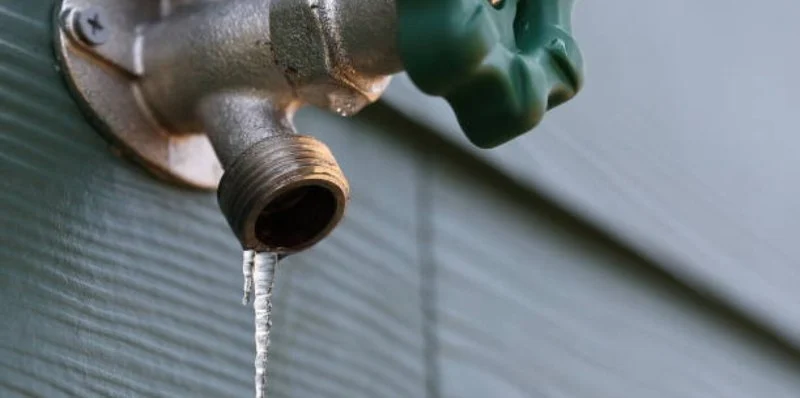
- 1- Signs Your Pipes Are Frozen
- 2- Why Frozen Pipes Are Dangerous
- 3- How to Prevent Frozen Pipes
- 4- What to Do If Your Pipes Are Frozen
1- Signs Your Pipes Are Frozen
Frozen pipes are a common issue during the cold months, especially in regions with harsh winters. Recognizing the signs of frozen pipes early on can help you avoid serious damage. Here are some key indicators:
- No Water Flow: If you turn on a faucet and no water comes out or the water flow is slow, it could be a sign that the pipes are frozen.
- Unusual Odors: Frozen pipes may cause a blockage, leading to unpleasant odors in your home, particularly near the affected pipes.
- Cold Pipes: Pipes that are unusually cold to the touch, especially in areas like basements, attics, or under sinks, are likely to be frozen.
- Frost on Pipes: Visible frost on exposed pipes is a clear indication that the pipes are frozen.
- Strange Noises: If you hear gurgling or whistling sounds from your pipes, it could indicate that water is still trying to flow through the frozen section.
2- Why Frozen Pipes Are Dangerous
Frozen pipes can cause significant damage to your home if not addressed quickly. The main danger is that when water freezes, it expands, putting pressure on the pipes. If the pressure becomes too much, the pipes can burst, leading to water damage in your home. This can result in costly repairs and disruptions to your daily life. Here’s why it’s important to act fast:
- Water Damage: When a pipe bursts, it can release large amounts of water, flooding the area and damaging walls, flooring, and personal belongings.
- Increased Repair Costs: Repairing a burst pipe is far more expensive than simply preventing a freeze in the first place. Timely intervention can save you thousands of dollars in repairs.
- Structural Damage: Prolonged exposure to water can weaken the structural integrity of your home, leading to mold growth, weakened beams, and compromised drywall.
3- How to Prevent Frozen Pipes
Preventing frozen pipes starts with preparing your home before the cold weather sets in. Here are some proactive steps to take:
- Insulate Pipes: Insulating exposed pipes, especially in unheated areas such as basements, attics, and garages, can help prevent freezing.
- Seal Cracks and Openings: Ensure there are no drafts or openings around your pipes. Sealing these gaps can prevent cold air from reaching the pipes.
- Let Faucets Drip: During particularly cold nights, let a small amount of water drip from your faucets to keep water moving and prevent freezing.
- Keep Cabinets Open: Open cabinet doors under sinks to allow warm air to circulate around the pipes, especially in kitchens and bathrooms that are located against exterior walls.
- Maintain Home Temperature: Keep your home’s temperature consistent, even if you plan to be away for an extended period of time.
4- What to Do If Your Pipes Are Frozen
If you suspect your pipes are frozen, here’s what you should do immediately:
- Turn Off the Water: Shut off the main water supply to prevent water from flooding when the pipe thaws.
- Apply Heat: Use a hairdryer, heating pad, or space heater to gently warm the frozen area. Avoid using open flames or boiling water, as this can cause the pipe to burst.
- Check for Leaks: Once the pipe thaws, check for cracks or leaks. If you find any, call a plumber immediately to prevent further damage.
- Call a Professional: If you are unable to safely thaw the pipes, it’s best to call a licensed plumber who can assess the situation and ensure the pipes are properly repaired.
Frozen pipes are a serious issue, but with the right precautions and knowledge, you can avoid costly repairs and prevent water damage in your home. For more help with plumbing issues, check out PlumberNear for trusted experts who can assist you with everything from pipe repair to preventative maintenance.
 Guarded Plumbing LLC4.0 (21 reviews)
 J&C Plumbing and Sewer Service, Inc.4.0 (272 reviews)
 Gould Plumbing & Heating4.0 (37 reviews)
 Order A Plumber Inc.5.0 (3 reviews)
 Blanchard Oil Company4.0 (51 reviews)
 Fairfax Electric Plumbing-Gas4.0 (160 reviews)
 Beginner's Guide to Installing a New Toilet: Step-by-Step Tips
 Signs You Need Sewer Line Backups Resolved Immediately
 How to Fix and Unclog a Bathtub Drain Like a Pro
 Step-by-Step Guide to Clogged Drains and How to Fix Them
 Is It Safe to Installing a New Toilet
 How Often Should You Check Low Water Pressure in Your Home