
- 1- Why Tree Roots Cause Sewer Line Damage
- 2- How Tree Roots Get into Sewer Lines
- 3- Preventing Tree Roots from Infiltrating Your Sewer Line
- 4- Signs of Tree Root Damage to Your Sewer Line
- 5- What to Do if Tree Roots Have Already Caused Damage
1- Why Tree Roots Cause Sewer Line Damage
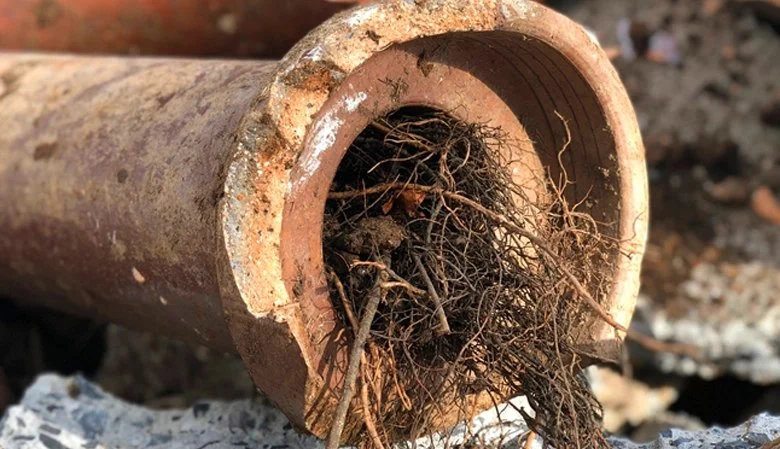
Tree roots may seem harmless, but they are one of the most common causes of plumbing problems, particularly when it comes to sewer line damage. Roots naturally seek out moisture, and your sewer pipes provide an ideal source of water. Over time, these roots can infiltrate and damage the pipes, leading to blockages, leaks, and costly repairs. Understanding why this happens is key to preventing damage.
As trees grow, their roots extend outward in search of water and nutrients. If the sewer pipes are cracked or leaking, they emit small amounts of moisture that attract the roots. Once inside, the roots can grow through the pipes, obstructing the flow of wastewater and even causing pipes to collapse under the pressure.
Sewer Xpress Corp / pipe xpress inc
Eastampton TownshipBurlington CountyNew Jersey
649 Powell Rd, Eastampton Township, NJ 08060, USA
2- How Tree Roots Get into Sewer Lines
Tree roots don't magically enter sewer lines—they seek out small cracks or joints in the pipes. Here's how this process typically happens:
- Cracked or Leaking Pipes: Over time, sewer pipes can deteriorate, especially older clay or cast-iron pipes. When these pipes crack or leak, moisture escapes, attracting nearby tree roots.
- Loose Joints: If the joints between pipes are not properly sealed, tree roots can easily infiltrate these spaces. These openings may be small at first, but as roots grow, they can expand the cracks and cause significant damage.
- Tree Placement: Trees planted too close to sewer lines are more likely to cause damage. Their roots naturally grow in the direction of the water source, and when they're near sewer lines, the temptation for them to infiltrate the pipes is too great.
3- Preventing Tree Roots from Infiltrating Your Sewer Line
While it's not always possible to prevent tree roots from reaching your sewer line entirely, there are several strategies you can implement to minimize the risk:
- Install Root Barriers: Root barriers are physical barriers that prevent roots from growing towards your sewer lines. These can be placed underground when you plant trees or along the perimeter of your property to redirect root growth away from the pipes.
- Choose the Right Trees: Certain trees, such as willows and maples, are more likely to invade sewer lines with their aggressive root systems. If you're planting trees near your sewer lines, consider choosing species with less invasive roots, like pines or birches.
- Regularly Inspect Your Sewer Line: Scheduling periodic inspections of your sewer line can help detect early signs of damage caused by tree roots. Using tools like a sewer camera inspection, plumbers can identify cracks or root infiltration before they become serious problems.
- Trenchless Technology for Pipe Replacement: If your pipes are severely damaged, consider replacing them with modern trenchless technology. This method replaces pipes without digging up your entire yard, preventing further root penetration.
4- Signs of Tree Root Damage to Your Sewer Line
Identifying tree root damage early is crucial to preventing expensive repairs. Here are some common signs that tree roots have infiltrated your sewer line:
- Frequent Clogs: If you're experiencing frequent clogs in your drains or toilets, it may be a sign that tree roots are obstructing the sewer line, preventing waste from flowing freely.
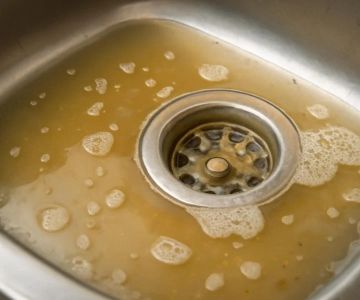
- Slow Draining Water: A slow-draining sink, bathtub, or toilet can indicate that the sewer line is partially blocked by roots, causing a backup in your plumbing system.
- Gurgling Sounds: Hearing gurgling noises from your drains or toilet is often a symptom of air trapped in the pipes due to blockages, which could be caused by tree roots.
- Bad Odors: If you notice foul smells coming from your drains or yard, it could be due to sewage backup caused by tree roots obstructing the sewer line.
5- What to Do if Tree Roots Have Already Caused Damage
If you suspect that tree roots have already caused damage to your sewer line, it’s important to act quickly to avoid further issues. Here’s what you can do:
- Call a Professional Plumber: The first step is to call a licensed plumber to perform a sewer inspection. Using a video camera, they can locate the root infiltration and assess the extent of the damage.
- Remove the Roots: In some cases, a plumber may be able to remove the tree roots from the sewer line using specialized tools like a hydro-jet or auger. This can clear out the blockage and restore proper function to your plumbing system.
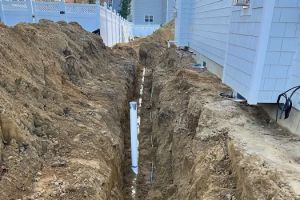
- Repair or Replace the Sewer Line: If the roots have caused significant damage, such as cracked pipes or collapsed sections, you may need to replace part or all of the sewer line. In some cases, trenchless pipe replacement can be used to minimize damage to your yard.
- Implement Preventative Measures: After repairing the damage, it’s important to take preventive steps to avoid future root infiltration. This may include installing root barriers, replacing the pipes with more durable materials, or relocating any trees that are too close to the sewer line.



 Reliance Plumbing and Heating Co., Inc.4.0 (8 reviews)
 Bennis Plumbing and Drain Cleaning4.0 (12 reviews)
 Peace Of Mind Sewer & Drain Cleaning4.0 (4 reviews)
 Edwards Plumbing NC, LLC5.0 (29 reviews)
 Roto-Rooter Plumbing & Water Cleanup4.0 (860 reviews)
 Protocol Plumbing and Heating5.0 (11 reviews)
 Should I Replace or Repair Sewer Line Backups? A Complete Guide for Homeowners
 How to Fix a Garbage Disposal: Simple Steps for Quick Repairs
 How Long Does It Take to Sump Pump Failure: Causes and Solutions
 How to Deal with a Backed-Up Sink: Troubleshooting Tips
 What Causes and Prevents Winter Plumbing Issues in U.S. Homes
 How Much Does It Cost to Replacing Old Pipes in Your Home?