
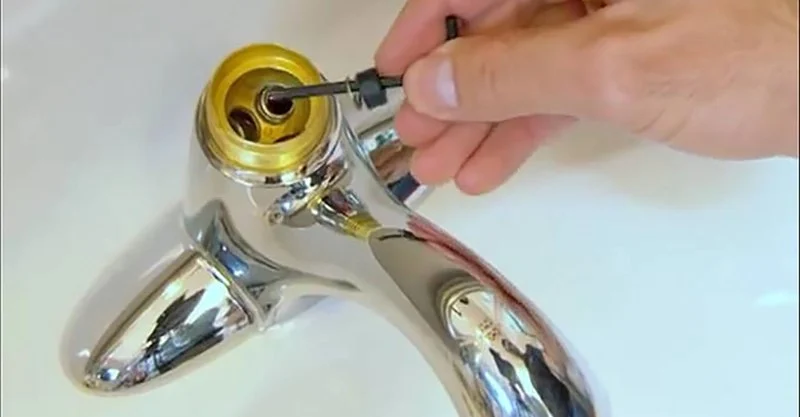
Why Is My Faucet Handle Hard to Turn? Common Causes and Fixes
- 1. Understanding the Problem: What Causes a Hard Faucet Handle?
- 2. Common Causes of a Stiff Faucet Handle
- 3. How to Fix a Hard-to-Turn Faucet Handle
- 4. When to Call a Professional Plumber
1. Understanding the Problem: What Causes a Hard Faucet Handle?
A faucet handle that’s difficult to turn is a common issue faced by homeowners. It can be frustrating, especially if you have a leaking or malfunctioning faucet. The difficulty in turning the handle often stems from a variety of causes, which can range from simple wear and tear to issues that require more extensive repairs.

O'Neill Bros. Plumbing / oneill plumbing
RockvilleMontgomery CountyMaryland
12348 Wilkins Ave, Rockville, MD 20852, USA
2. Common Causes of a Stiff Faucet Handle
Here are some common causes that may contribute to a stiff faucet handle:
- Mineral Buildup: Hard water can cause mineral deposits to form around the faucet handle and inside the valve, leading to a stiff or hard-to-turn handle.
- Worn-out Washer or Seal: The rubber washer or seal inside the faucet may wear down over time, causing friction and making the handle difficult to turn.
- Loose or Rusted Parts: Over time, the internal parts of the faucet may loosen or rust, affecting its ability to operate smoothly.
- Inadequate Lubrication: If the internal components aren’t properly lubricated, they may become stiff and cause difficulty when turning the handle.
3. How to Fix a Hard-to-Turn Faucet Handle
Fortunately, most problems with hard-to-turn faucet handles can be easily fixed with a few simple tools. Here are the basic steps you can follow to repair a stiff faucet handle:
- Turn off the Water Supply: Before starting any repairs, ensure that the water supply to the faucet is turned off to avoid leaks and spills.
- Remove the Faucet Handle: Use a screwdriver to remove the handle. You may need to remove a decorative cap to access the screw holding the handle in place.
- Inspect for Damage: Check for any worn-out washers or seals. If you find any, replace them with new parts that are suitable for your faucet model.
- Clean the Faucet Components: If mineral buildup is causing the issue, clean the affected parts with vinegar or a mild cleaning solution to remove deposits.
- Lubricate the Moving Parts: Apply a small amount of silicone-based lubricant to the faucet’s moving parts to help them turn smoothly.
- Reassemble and Test: After cleaning and replacing any parts, reassemble the faucet handle and test its functionality by turning it on and off to ensure it operates smoothly.
4. When to Call a Professional Plumber
In most cases, a stiff faucet handle can be repaired by following the steps above. However, if you’re unable to fix the issue yourself or if the problem persists after the repair, it may be time to call a professional plumber. Here are some signs that indicate you should seek professional help:
- Persistent leaks or drips after replacing parts
- Corroded or damaged internal parts that can’t be easily fixed
- Issues that seem to be related to the plumbing system, such as low water pressure or frequent clogs
A licensed plumber will have the expertise to identify and address more complex issues, ensuring that your faucet operates properly and efficiently.
For more plumbing tips or to find the right faucet parts for your home, visit Pet & Puppy for recommendations and expert advice!
 Mega Plumbing Corp4.0 (6199 reviews)
 EWC PLUMBING & HEATING LLC5.0 (20 reviews)
 Roto-Rooter Plumbing & Water Cleanup5.0 (70 reviews)
 Scott Plumbing and Heating4.0 (58 reviews)
 Clovis Plumbing LLC5.0 (8 reviews)
 B & B Hot Water Tanks Inc5.0 (9 reviews)
 How to Safely Deal With Clogged Drains and Prevent Plumbing Issues
 How to Install a New Sink Shut-Off Valve: A Step-by-Step Guide
 How to Reduce Your Water Bill - Save Money and Conserve Water
 How to Fix a Bathtub Drain Clog: Easy Solutions for Homeowners
 Avoid These Common Mistakes When Dealing with Low Water Pressure
 Step-by-Step Guide to Detecting a Hidden Water Leak in Your Home