
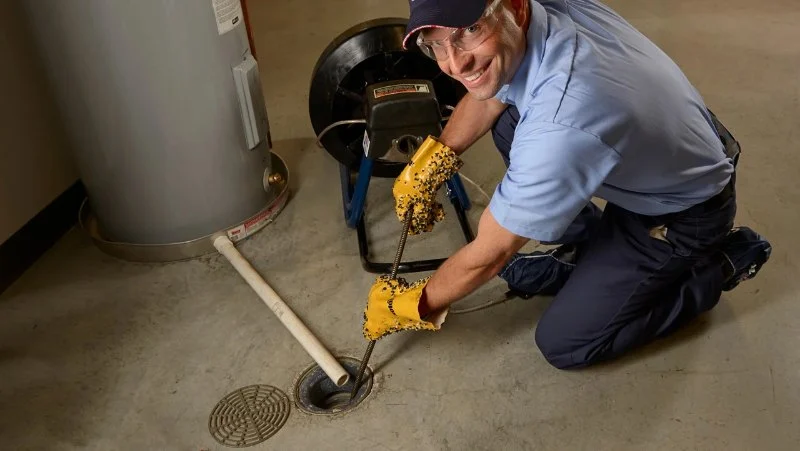
How to Clear a Clogged Floor Drain in Your Basement
- 1. Understanding Common Causes of Clogged Floor Drains
- 2. Essential Tools You Need
- 3. Step-by-Step Guide to Clear the Clog
- 4. Preventing Future Clogs
- 5. When to Call a Professional
1. Understanding Common Causes of Clogged Floor Drains
Clogged floor drains in basements are a common issue, often caused by a buildup of debris, hair, grease, and soap scum. In many cases, over time, these substances combine to form blockages that impede the flow of water. Understanding the root causes of these clogs can help you take the right steps in both clearing the drain and preventing future issues.
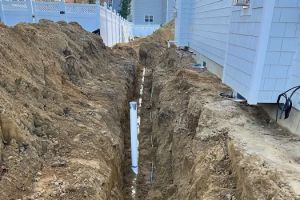
Sewer Xpress Corp / pipe xpress inc
Eastampton TownshipBurlington CountyNew Jersey
649 Powell Rd, Eastampton Township, NJ 08060, USA
2. Essential Tools You Need
Before tackling the clogged floor drain, it’s important to gather the right tools. Here are the essentials you’ll need:
- Plunger: A basic tool to dislodge minor clogs.
- Drain Snake: An effective tool for more stubborn blockages.
- Baking Soda and Vinegar: A natural and eco-friendly solution for clearing drains.
- Pliers or Drain Grabber: Useful for pulling out visible debris.
- Rubber Gloves: To keep your hands clean while working in the drain.
3. Step-by-Step Guide to Clear the Clog
Follow these steps to clear your clogged basement floor drain:
- Step 1: Clear the Drain Area – Begin by removing any debris or objects surrounding the drain.
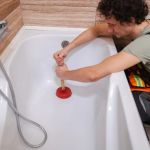
- Step 2: Use the Plunger – Place the plunger over the drain and apply steady pressure. This can help dislodge the clog if it's not too deep.
- Step 3: Apply Baking Soda and Vinegar – Pour 1/2 cup of baking soda followed by 1/2 cup of vinegar into the drain. Let it sit for about 30 minutes, then flush with hot water.
- Step 4: Use a Drain Snake – For stubborn clogs, insert a drain snake into the drain and twist to break up the blockage. Pull the snake out carefully, removing any debris it gathers.
- Step 5: Test the Drain – After using the plunger or snake, run some water down the drain to check if the blockage is cleared.
4. Preventing Future Clogs
To avoid future clogs, here are some preventive measures you can take:
- Regular Cleaning: Clean the floor drain periodically by pouring boiling water or a cleaning solution down the drain.
- Install a Drain Cover: Using a drain cover can help catch debris and prevent it from entering the drain.
- Avoid Grease and Oil: Never pour grease or oil down the drain, as these can solidify and create blockages.
5. When to Call a Professional
While most minor clogs can be cleared with the methods outlined above, there are times when you should consider calling a plumber. If the clog persists despite your efforts, or if you notice signs of water damage or flooding in the basement, it’s best to consult a professional. A plumber can help diagnose the problem and offer a long-term solution.
 Progressive Service Company3.0 (3 reviews)
 Phil Parkinson Plumbing5.0 (28 reviews)
 Pilgrim Plumbing & Heating, Inc4.0 (601 reviews)
 DeWolfe Plumbing, Heating & Cooling4.0 (609 reviews)
 MEP Home Services5.0 (19 reviews)
 D S Martin0.0 (0 reviews)
 Ultimate Guide to DIY Fixes for Understanding Plumbing Codes
 How to Unclog a Bathtub Drain Safely and Effectively
 How to Prevent Clogged Drains and Avoid Plumbing Issues
 How to Install a Pressure Tank for Well System
 Why Is My a Broken Water Heater and How to Fix It
 How to Fix and Unclog a Bathtub Drain – Complete Guide for Homeowners