
What to Do If Unclogging a Bathtub Drain
- 1. Introduction to Bathtub Drain Clogs
- 2. Common Causes of Bathtub Drain Clogs
- 3. How to Unclog a Bathtub Drain
- 4. Preventing Future Clogs
- 5. When to Call a Professional
1. Introduction to Bathtub Drain Clogs
Dealing with a clogged bathtub drain is a common household issue that can lead to frustrating delays when taking a bath or shower. While some minor clogs can be resolved with simple DIY methods, more severe blockages may require professional assistance. Understanding the causes, the proper techniques for unclogging a drain, and how to prevent future issues is essential for maintaining your plumbing system. In this article, we will cover everything you need to know about fixing a clogged bathtub drain.
2. Common Causes of Bathtub Drain Clogs
Bathtub drain clogs are usually caused by the buildup of soap scum, hair, and other debris that accumulates over time. Here are the most common culprits:
- Hair: Hair is the number one cause of clogged bathtub drains. Whether it’s from regular showers or shedding hair, strands can collect in the drain and form a dense mass.
- Soap Scum: Soap and body wash can leave behind a residue that sticks to the inside of the drain pipes, leading to clogs over time.
- Mineral Deposits: If you have hard water, mineral deposits such as calcium and magnesium can build up in your pipes, narrowing the space and causing clogs.
- Foreign Objects: Small items like children’s toys or grooming tools can accidentally fall into the drain and block the flow of water.
- Improper Drainage Setup: In some cases, improper installation or aging pipes can contribute to frequent clogs in the bathtub drain.
3. How to Unclog a Bathtub Drain
Now that you understand the potential causes of clogs, let's look at the steps you can take to resolve the issue:
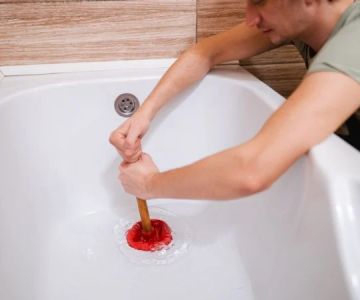
- Use a Plunger: The first step in unclogging a bathtub drain is using a plunger. Make sure the drain is covered with water, and use the plunger to create suction to dislodge the debris. Be sure to cover any overflow holes to create an airtight seal.
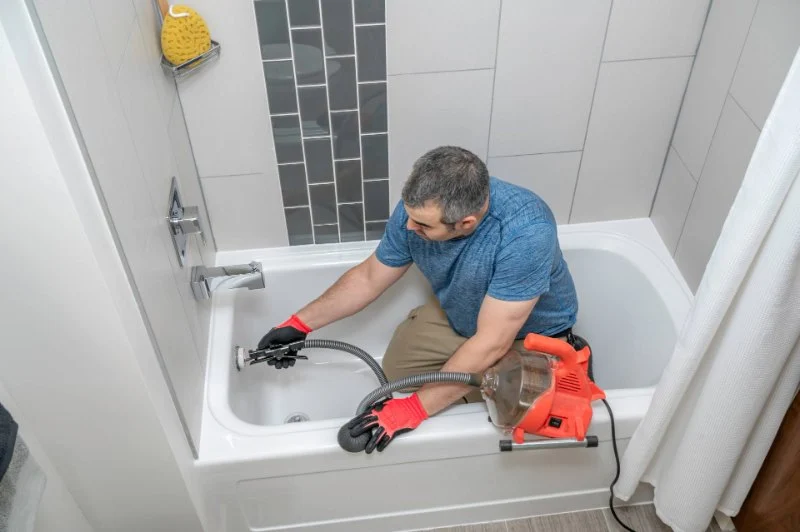
- Use a Drain Snake: A drain snake (also known as a plumber’s auger) is a tool designed to reach deeper clogs. Insert the snake into the drain, twist, and push it down to break up the blockage.
- Try Baking Soda and Vinegar: For a natural approach, mix baking soda and vinegar and pour it down the drain. Let it sit for about 15 minutes and then flush with hot water. The chemical reaction can help break up grease, soap scum, and other debris.
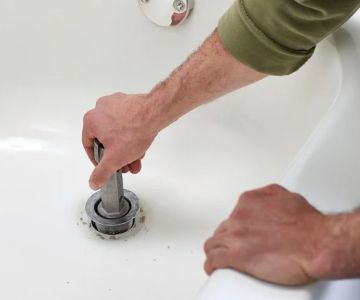
- Remove and Clean the Stopper: Sometimes, the clog is located in the stopper. Remove it and clean out any debris trapped in the mechanism.
- Use a Wet/Dry Vacuum: If the clog is near the surface, a wet/dry vacuum can help suck out the debris. Make sure to set the vacuum to liquids before using it.
4. Preventing Future Clogs
To avoid future bathtub drain clogs, it’s important to maintain your drainage system properly. Here are some tips to help prevent clogs:
- Install a Drain Cover: A drain cover can catch hair, soap scum, and other debris before they enter the pipes, preventing clogs from forming in the first place.
- Regularly Clean Your Drain: Clean your drain every few weeks using hot water or a natural solution of vinegar and baking soda to break down buildup before it causes a clog.
- Be Mindful of What Goes Down the Drain: Avoid flushing large amounts of soap or other greasy substances down the drain. Additionally, try to remove hair before it enters the drain.
- Use a Hair Trap: Installing a hair trap or strainer can help reduce hair buildup in your bathtub drain, one of the most common causes of clogs.
5. When to Call a Professional
While many clogged drains can be cleared with simple DIY methods, some situations require professional help. If you've tried the above methods and the clog persists, or if you notice other signs of plumbing issues such as slow drainage, strange noises, or bad odors, it’s time to call a professional plumber. A licensed plumber has the right tools and expertise to remove the blockage and ensure that your plumbing system is functioning properly.
For those looking for expert plumbing services, visit PlumberNear for trusted recommendations on plumbers and other related services.
 Jacovino Home Repair Services, LLC5.0 (3 reviews)
 JAYKOM Plumbing4.0 (17 reviews)
 XStream Plumbing And Heating5.0 (15 reviews)
 Reese's Plumbing & Heating4.0 (12 reviews)
 Yellow Dog Plumbing, Heating & Cooling4.0 (138 reviews)
 Leak Finders4.0 (24 reviews)
 What Causes and Prevents Winter Plumbing Issues in U.S. Homes
 What Causes Water Damage in Your Bathroom: Prevention Tips and Solutions
 When Should You Call a Plumber to Prevent Winter Plumbing Issues?
 DIY Fixes for Reducing Your Water Bill
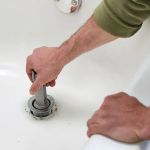 How to Choose Between Repairing or Replacing a Bathtub Drain
 How Long Does It Take to Fix a Broken Water Heater? Everything You Need to Know