
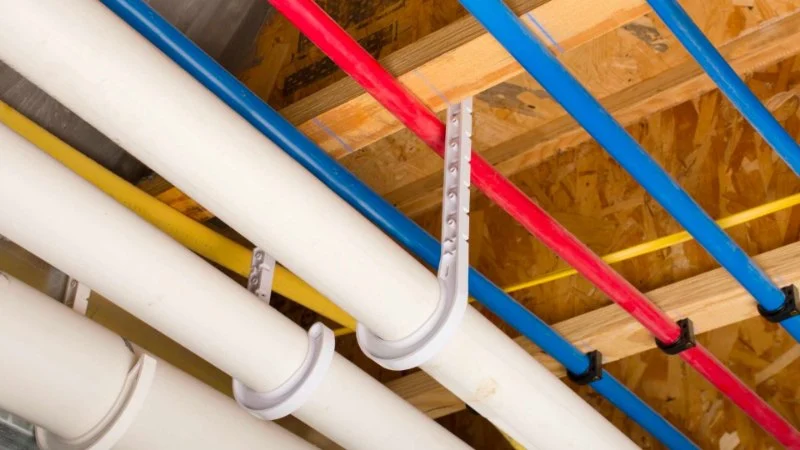
- why-choosing-the-right-pipe-materials-matters
- understanding-different-types-of-pipe-materials
- how-climate-and-location-influence-your-decision
- the-role-of-budget-durability-and-longevity
- common-pipe-material-failures-and-real-cases
- professional-guidance-from-plumbernear
1. Why Choosing the Right Pipe Materials Matters
When it comes to plumbing, not all pipes are created equal. Choosing the right pipe materials for your home or commercial project can significantly impact system performance, safety, cost-efficiency, and even long-term property value. The wrong choice may lead to premature leaks, corrosion, or costly repairs—problems no homeowner wants to face.
In the U.S., where housing styles and local water quality vary dramatically, making informed pipe material choices is essential. Whether you're remodeling an older home or building a new one, understanding your options means avoiding headaches down the line.

coastal & son, llc / aj appliance toms river nj
Toms RiverOcean CountyNew Jersey
1106 Verdant Rd, Toms River, NJ 08753, USA
2. Understanding Different Types of Pipe Materials
There are several common materials used in plumbing today, each with its pros and cons. Let’s break down a few of the most widely used options:

Mike the Plumber / mike the plumber
1545 Ocean Ave A3, Bohemia, NY 11716, USA
2.1 Copper Pipes
Known for their durability and resistance to bacteria, copper pipes have long been the standard in American plumbing. They're ideal for both hot and cold water lines, but they come with a higher price tag and are susceptible to corrosion in areas with acidic water.
2.2 PVC (Polyvinyl Chloride)
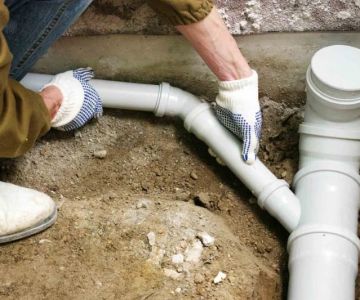
Lightweight, easy to install, and cost-effective, PVC is often used for drain lines and vent systems. However, it’s not suitable for high-heat applications and may become brittle in extremely cold climates.
2.3 PEX (Cross-linked Polyethylene)
PEX has grown in popularity due to its flexibility, resistance to freezing, and ease of installation. It’s a great choice for residential water supply lines, particularly in colder regions. But UV rays can degrade PEX over time, so it shouldn’t be exposed to direct sunlight.
2.4 Galvanized Steel
Once popular in older homes, galvanized steel pipes are now largely outdated. They’re prone to rust and can cause significant water discoloration or pressure issues. Many homeowners are now opting to replace these with PEX or copper alternatives.
3. How Climate and Location Influence Your Decision
Your geographical location plays a major role in determining which pipe materials are best suited for your plumbing system. In colder states like Minnesota or Colorado, PEX is often preferred due to its freeze-resistance. In contrast, copper performs well in regions with stable temperatures and good water quality.
Water hardness also influences material choice. Areas with high mineral content can speed up corrosion in metal pipes. In cities like Las Vegas or Phoenix, homeowners often face early pipe wear due to mineral buildup. In such cases, plastic piping may be the better long-term solution.
Local plumbing codes vary by state, so consulting with a licensed contractor—or exploring certified listings on PlumberNear—ensures your project meets all regulations while using optimal materials.
4. The Role of Budget, Durability, and Longevity
Choosing pipe materials isn’t just about what’s cheapest or trendiest—it’s about making a long-term investment. Copper may cost more upfront, but it can last 50+ years with minimal maintenance. PEX is cheaper and easier to install, making it ideal for tight budgets or quick remodels.
PVC is inexpensive but isn’t always approved for water delivery in all municipalities. Galvanized steel is generally discouraged due to its short life span and frequent failures. In some older homes, combining materials during renovations (such as connecting new PEX to existing copper) can be a practical compromise.
Smart homeowners weigh initial costs against long-term maintenance and replacement needs. That’s why trusted professionals often suggest a custom approach depending on your project size, goals, and property age.
5. Common Pipe Material Failures and Real Cases
The consequences of choosing the wrong pipe material can be severe. A well-known case occurred in Houston when a developer used low-grade plastic pipes in a residential community. Within five years, residents experienced dozens of leaks, forcing a $1.2 million class-action settlement.
In contrast, a historic renovation project in Charleston, SC, preserved the home’s character while updating plumbing to PEX—avoiding corrosion issues without losing value. The contractor, found through PlumberNear, selected materials specifically suited to the climate and the home’s structure.
These examples show that choosing wisely doesn’t just prevent problems—it adds long-term value and peace of mind.
6. Professional Guidance from PlumberNear
If you’re still unsure about which pipe materials are best for your home or business, professional help is just a click away. PlumberNear connects you with trusted local plumbing experts who understand the unique requirements of your region.
Whether you're repiping an entire home, upgrading old lines, or starting new construction, these pros will assess your water quality, climate, and building type to recommend the best long-term solution. You’ll get peace of mind knowing you’re making an informed and efficient investment in your plumbing system.
Don’t take chances with guesswork—rely on PlumberNear to connect you with the right material, the right advice, and the right team.


 Guarded Plumbing LLC4.0 (21 reviews)
 J&C Plumbing and Sewer Service, Inc.4.0 (272 reviews)
 Gould Plumbing & Heating4.0 (37 reviews)
 Order A Plumber Inc.5.0 (3 reviews)
 Blanchard Oil Company4.0 (51 reviews)
 Fairfax Electric Plumbing-Gas4.0 (160 reviews)
 Beginner's Guide to Installing a New Toilet: Step-by-Step Tips
 Signs You Need Sewer Line Backups Resolved Immediately
 How to Fix and Unclog a Bathtub Drain Like a Pro
 Step-by-Step Guide to Clogged Drains and How to Fix Them
 Is It Safe to Installing a New Toilet
 How Often Should You Check Low Water Pressure in Your Home