
- identify-the-type-of-bathtub-clog
- start-with-diy-unclogging-methods
- how-to-use-a-plunger-effectively
- try-natural-and-safe-drain-solutions
- when-to-disassemble-the-drain
- real-homeowner-story-what-finally-worked
- when-to-call-plumbernear-for-help
1. Identify the Type of Bathtub Clog
Before diving into the repair process, it's crucial to understand the source of the blockage. Most bathtub clogs are caused by hair, soap scum, or buildup from bathing products. In some cases, small objects like razor caps or toys can slip into the drain unnoticed and block water flow.
Recognizing whether the clog is slow-draining, fully blocked, or gurgling can guide how aggressive you need to be with your approach.

Sewer Xpress Corp / pipe xpress inc
Eastampton TownshipBurlington CountyNew Jersey
649 Powell Rd, Eastampton Township, NJ 08060, USA
2. Start with DIY Unclogging Methods
Sometimes, the best place to start is with the simplest tools. If your bathtub drain is only partially clogged, a bent wire hanger or a drain snake can often do the trick. Insert it slowly into the drain and rotate or hook to pull up any hair clumps or residue.
This method can be surprisingly effective—and oddly satisfying—when you pull up a messy ball of hair that’s been the cause of your frustration for days!
Go Green Plumbing, Heating, Air & Electrical / go green plumbing heating and air
GreensboroGuilford CountyNorth Carolina
300 Pomona Dr, Greensboro, NC 27407, USA
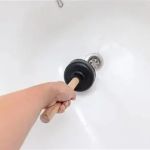
3. How to Use a Plunger Effectively
3.1 Prep the Area
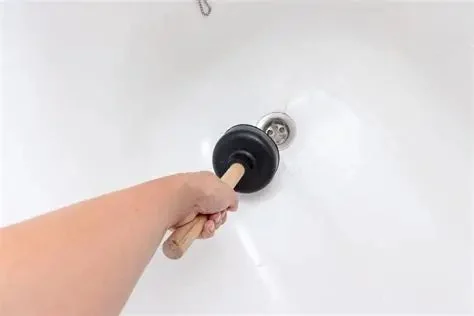
Cover the overflow drain with a wet rag to ensure full suction. Then fill the bathtub with enough water to cover the plunger’s cup.
3.2 Plunge with Purpose
Use firm and steady plunges for about 30 seconds. Often, you’ll hear the tell-tale gurgle of the blockage breaking free. If not, give it a second attempt, and remember not to use excessive force to avoid damaging older pipes.
4. Try Natural and Safe Drain Solutions
4.1 Baking Soda + Vinegar
Pour half a cup of baking soda into the drain, followed by one cup of white vinegar. Cover the drain immediately. Let it sit for 15–30 minutes, then flush with hot water. This combo can dissolve light gunk without harming your pipes.
4.2 Avoid Harsh Chemicals
Many commercial chemical uncloggers can cause pipe corrosion, especially in older homes. Unless specifically recommended by your plumber, steer clear of caustic products and stick with safer methods.
5. When to Disassemble the Drain
If the clog persists, you may need to take apart the drain stopper or remove the overflow plate. Many modern tubs use a trip-lever assembly that collects debris internally. Use a screwdriver and flashlight to inspect the drain cavity.
Keep a towel nearby—it can get messy. If you’re unsure about putting things back together, don’t force it. The last thing you want is to cause a leak underneath the tub.
6. Real Homeowner Story: What Finally Worked
Jessica from Richmond, VA, had a recurring problem with her bathtub drain. After trying store-bought chemicals and even a coat hanger trick, nothing seemed to work. She finally removed the drain assembly and found a dense buildup of hair tied around the stopper arm.
Once cleared, the water flowed like new. Jessica now swears by regular hair trap use and recommends preventive cleaning every two months to avoid similar issues.
7. When to Call PlumberNear for Help
If your bathtub remains clogged after repeated attempts, or if you suspect the issue lies deeper in your plumbing system, it’s time to bring in professional help. With PlumberNear, you can connect to top-rated local plumbers across the U.S. who are equipped with specialized tools like hydro-jetting and inspection cameras.
Whether it's a stubborn clog, aging pipes, or a mystery blockage, PlumberNear ensures you’re not left guessing or stuck with a flooded tub. Get the help you need fast—and fix it right the first time.

 Guarded Plumbing LLC4.0 (21 reviews)
 J&C Plumbing and Sewer Service, Inc.4.0 (272 reviews)
 Gould Plumbing & Heating4.0 (37 reviews)
 Order A Plumber Inc.5.0 (3 reviews)
 Blanchard Oil Company4.0 (51 reviews)
 Fairfax Electric Plumbing-Gas4.0 (160 reviews)
 Beginner's Guide to Installing a New Toilet: Step-by-Step Tips
 Signs You Need Sewer Line Backups Resolved Immediately
 How to Fix and Unclog a Bathtub Drain Like a Pro
 Step-by-Step Guide to Clogged Drains and How to Fix Them
 Is It Safe to Installing a New Toilet
 How Often Should You Check Low Water Pressure in Your Home