
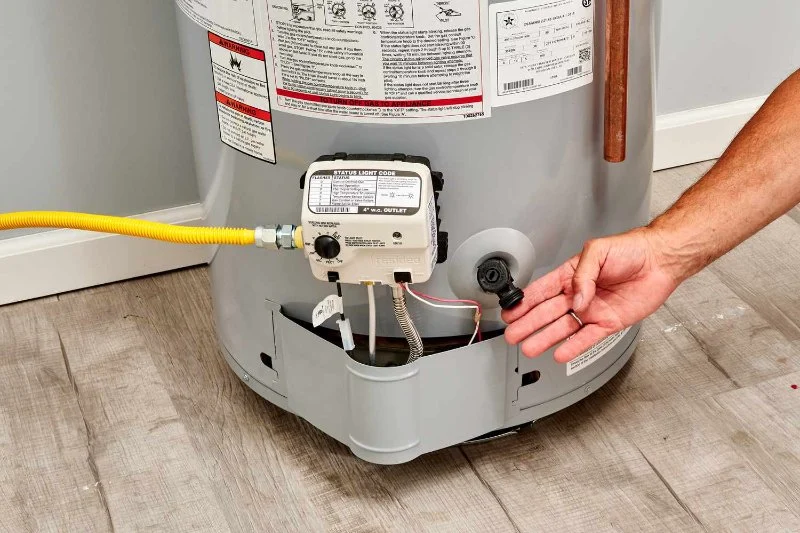
Why Your Water Heater Might Be Leaking from the Drain Valve
- 1-Common Causes of Drain Valve Leaks
- 2-Identifying Signs of a Leaky Drain Valve
- 3-Steps to Fix a Drain Valve Leak
- 4-Preventive Maintenance Tips
- 5-Real-Life Case Study
- 6-Expert Advice and Purchasing Recommendations
1. Common Causes of Drain Valve Leaks
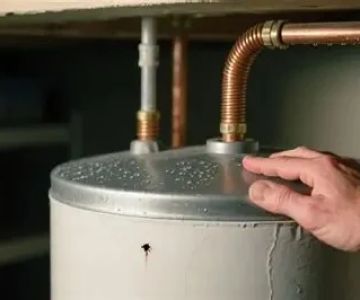
Water heaters may develop leaks from the drain valve for several reasons. One primary cause is the deterioration of the valve over time due to mineral buildup from hard water. Corrosion and rust can also compromise the valve’s seal, creating slow leaks that worsen if not addressed promptly.
Another common issue is improper installation. If the drain valve was not tightly secured or was cross-threaded, it could result in water seeping through the connection point. Additionally, using low-quality or aging valves often increases the risk of leaks.
2. Identifying Signs of a Leaky Drain Valve
Recognizing a leak early is crucial to prevent water damage. Common indicators include:
- Dripping water around the base of the tank near the valve.
- Corrosion or white mineral deposits on or around the valve.
- A sudden decrease in hot water pressure or inconsistent heating.
Pay attention to unusual sounds, like hissing or dripping noises, which often accompany a failing drain valve. Early detection allows you to act before a small leak becomes a significant repair expense.
3. Steps to Fix a Drain Valve Leak
Addressing a leaking drain valve involves a few key steps:
- Turn off the water supply and power to the heater (electric or gas).
- Drain the water heater partially to relieve pressure.
- Inspect the valve for corrosion, cracks, or loose fittings.
- Replace the valve if damaged, or tighten connections if possible.
- Refill the tank slowly and check for leaks after installation.
Using high-quality replacement valves designed for your heater model ensures long-term reliability. If unsure, hiring a licensed plumber is highly recommended to avoid potential safety hazards.
4. Preventive Maintenance Tips
Regular maintenance can significantly reduce the risk of drain valve leaks:
- Flush the tank annually to prevent sediment buildup.
- Inspect the valve for corrosion or wear at least once a year.
- Use water softeners if your water supply is hard to limit mineral deposits.
- Consider upgrading old or worn valves to modern, leak-resistant models.
Routine maintenance extends the life of your water heater and prevents unexpected water damage in your home.
5. Real-Life Case Study
A homeowner in Chicago noticed minor water pooling around their tank’s drain valve. Initially, it was just a slow drip, but over time it worsened due to mineral deposits blocking the valve. After replacing the valve with a high-quality model recommended by a local plumbing professional, the leak was resolved. The homeowner shared that periodic inspection could have prevented the issue from escalating.
6. Expert Advice and Purchasing Recommendations
Experts recommend choosing valves made from brass or corrosion-resistant materials for long-term performance. Modern water heater designs often include integrated leak-prevention features around drain valves, offering extra protection.
If your water heater shows signs of a leaking drain valve, consider upgrading your system or purchasing a replacement valve from trusted suppliers. For the latest options and professional guidance, click here to explore high-quality water heater valves and accessories. Investing in the right products now prevents costly repairs later and ensures consistent hot water supply.
 Pro-Plumbing, Inc.5.0 (1 reviews)
 Big City Plumbing Heating Inc4.0 (38 reviews)
 J&E Plumbing & Heating4.0 (60 reviews)
 Yadkin Rooter Service4.0 (46 reviews)
 Home Repairs5.0 (1 reviews)
 Classic Plumbing Solutions4.0 (201 reviews)
 Why Is My Bathtub Faucet Dripping After I Turn It Off?
 Why Is My Diagnosing Plumbing Noises and How to Fix Them
 What to Do If Reducing Your Water Bill: Practical Tips and Solutions
 Best Ways to Detect a Hidden Water Leak and Prevent Damage
 What to Do If Your Toilet Overflows: A Step-by-Step Guide
 Why Is My Water Heater Thermostat Not Working?