
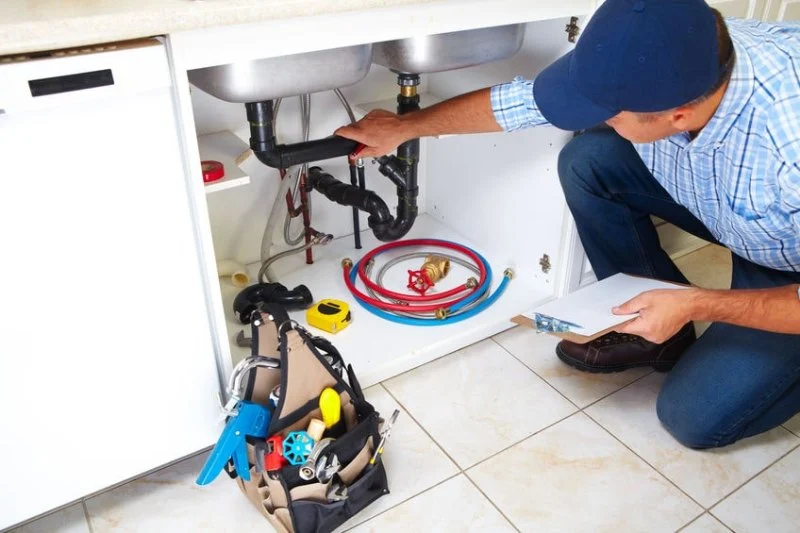
Ultimate Guide to Maintaining Your Plumbing System
- 1. Regular Inspections: The Key to Preventing Plumbing Issues
- 2. Cleaning Your Drains and Pipes
- 3. Understanding Common Plumbing Problems
- 4. Winterizing Your Plumbing System
- 5. When to Call a Professional Plumber
1. Regular Inspections: The Key to Preventing Plumbing Issues
One of the most important things you can do to maintain your plumbing system is to regularly inspect it. Look for signs of leaks, rust, or corrosion in visible pipes. Check under sinks and around water fixtures for any dampness or mold. If you notice any early signs of damage, it’s better to address them quickly before they become larger, more expensive problems.
Scheduling an annual professional inspection can help spot potential issues early and save money in the long run.
2. Cleaning Your Drains and Pipes
Keeping your drains and pipes clean is essential for the smooth operation of your plumbing system. Blocked drains can lead to slow drainage and cause water damage over time. Regularly clean your drains to prevent build-up and clogs. Use a drain cleaner or natural methods like vinegar and baking soda to keep things flowing.
Also, consider installing drain guards to catch hair and debris before it goes down the drain.
3. Understanding Common Plumbing Problems
It’s important to familiarize yourself with the most common plumbing issues, including:
- Leaky Faucets: These can waste significant amounts of water and drive up your utility bill. Make sure to fix leaks promptly.
- Running Toilets: A running toilet is another common problem that can waste water. Check for a faulty flapper or valve.
- Low Water Pressure: If you notice low water pressure, it could be due to mineral build-up, a faulty pipe, or a more serious issue.
4. Winterizing Your Plumbing System
If you live in an area with cold winters, winterizing your plumbing is crucial. Pipes exposed to freezing temperatures can burst and cause significant water damage. To winterize:
- Insulate pipes, especially those in unheated areas like basements or attics.
- Disconnect and drain garden hoses.
- If you’re leaving your home for an extended period, keep your thermostat set to at least 55°F (13°C).
5. When to Call a Professional Plumber
While many plumbing issues can be handled with basic tools, there are times when calling a professional plumber is the best option. If you face a major issue like a burst pipe, or if you’re dealing with a persistent clog that won’t go away, it’s time to call in an expert.
Don’t hesitate to reach out to a professional, as they have the experience and equipment necessary to handle even the most challenging plumbing problems. You can visit PlumberNear for trusted local plumbing services.
 Guarded Plumbing LLC4.0 (21 reviews)
 J&C Plumbing and Sewer Service, Inc.4.0 (272 reviews)
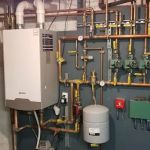 Gould Plumbing & Heating4.0 (37 reviews)
 Order A Plumber Inc.5.0 (3 reviews)
 Blanchard Oil Company4.0 (51 reviews)
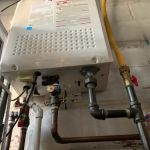 Fairfax Electric Plumbing-Gas4.0 (160 reviews)
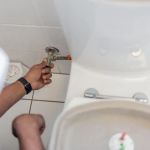 Beginner's Guide to Installing a New Toilet: Step-by-Step Tips
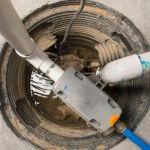 Signs You Need Sewer Line Backups Resolved Immediately
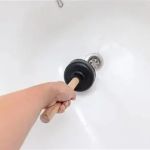 How to Fix and Unclog a Bathtub Drain Like a Pro
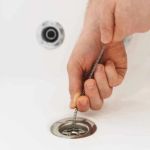 Step-by-Step Guide to Clogged Drains and How to Fix Them
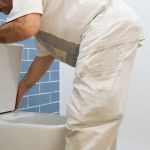 Is It Safe to Installing a New Toilet
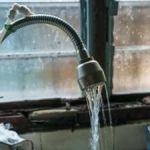 How Often Should You Check Low Water Pressure in Your Home