
- why-frozen-pipes-are-dangerous-and-costly
- early-warning-signs-of-frozen-pipes
- top-tips-to-prevent-pipes-from-freezing
- what-to-do-if-your-pipes-are-already-frozen
- real-case-how-a-quick-response-saved-a-home
- get-expert-help-with-plumbernear
1. Why Frozen Pipes Are Dangerous and Costly
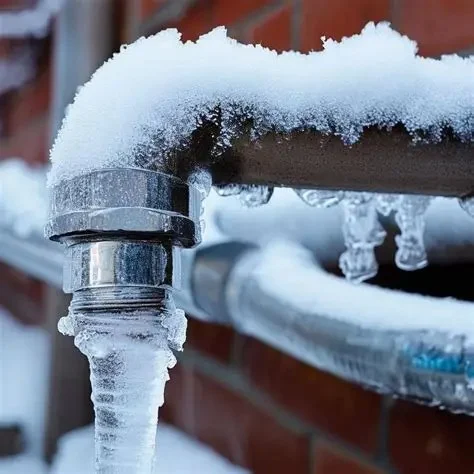
Frozen pipes are more than just a winter inconvenience—they're a genuine threat to your home. When water freezes inside a pipe, it expands. That expansion creates pressure, which can cause the pipe to crack or burst, even in materials like copper or PEX.
Burst pipes can lead to catastrophic water damage, mold growth, and thousands of dollars in repair costs. According to the Insurance Institute for Business & Home Safety, a single burst pipe can cost upwards of $5,000 in water damage. Prevention and early action are crucial.
Bill Trombly Plumbing - Heating - Cooling - Electric / jim trombly heating
ManchesterHillsborough CountyNew Hampshire
76 Maple St, Manchester, NH 03103, USA
2. Early Warning Signs of Frozen Pipes
Catching a frozen pipe early can mean the difference between a simple fix and a flooded living room. Here’s what to watch for:
Stashluk Mechanical Contractors Inc. / stashluk
Franklin TownshipHunterdon CountyNew Jersey
998 Croton Rd, Pittstown, NJ 08867, USA
2.1 Little or No Water Flow
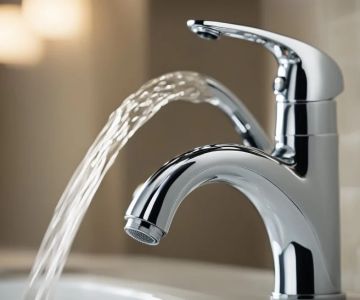
If your faucet barely dribbles or produces no water on a cold morning, your pipe might be frozen. Check nearby pipes for signs of frost or bulging.
2.2 Odd Smells from Drains or Faucets
A blocked pipe may force sewer odors back up into your home. If your kitchen or bathroom starts to smell funky when it’s freezing outside, investigate immediately.
2.3 Frost on Pipes or Unusually Cold Walls
Visible frost or dampness on walls could signal a freezing pipe behind them. Pipes in uninsulated walls, crawl spaces, and attics are most vulnerable.
3. Top Tips to Prevent Pipes from Freezing
An ounce of prevention is worth a flooded basement. Here are proven expert strategies to stop frozen pipes before they start:
3.1 Insulate Vulnerable Pipes
Use pipe insulation foam, heat tape, or fiberglass sleeves to wrap exposed pipes—especially in unheated areas like garages and basements. It's a low-cost solution with high payoff.
3.2 Keep a Consistent Temperature
Even when you’re away, keep your home’s thermostat set no lower than 55°F. Also, open cabinet doors under sinks to let warm air circulate around plumbing.
3.3 Let Faucets Drip Overnight
Running water—even at a trickle—relieves pressure in the system. It can prevent ice blockages and keep pipes from bursting.
3.4 Seal Cracks and Drafts
Use caulk or insulation to seal gaps in walls, floors, and foundations near water lines. Cold air sneaking in can turn even insulated pipes into ice hazards.
4. What to Do If Your Pipes Are Already Frozen
If your pipe is frozen but hasn't burst, you may still have time to act. Here's what the pros suggest:
4.1 Shut Off the Main Water Supply
If a pipe does burst, this step can prevent massive flooding. Know where your shut-off valve is—and label it clearly.
4.2 Apply Gentle Heat
Use a hair dryer, heating pad, or portable space heater to warm the frozen section. Never use open flames, which can damage the pipe or start a fire.
4.3 Call for Professional Assistance
If you can’t locate the frozen spot or the pipe is inside a wall, it’s time to call in experts. PlumberNear can connect you to certified local plumbers who specialize in emergency thawing and repair services.
5. Real Case: How a Quick Response Saved a Home
In early 2023, a homeowner in Des Moines noticed their upstairs bathroom faucet stopped flowing during a snowstorm. Remembering the advice to check for frost, they discovered a chilled wall behind the sink. Acting fast, they used a hair dryer and opened the cabinets—and called a pro from PlumberNear just in case.
The plumber arrived within two hours, confirmed the line was thawing, and added pipe insulation to prevent a repeat. Total cost: under $200. If they'd waited, the burst pipe would’ve likely flooded the ceiling below—costing thousands.
6. Get Expert Help with PlumberNear
Frozen pipes are stressful, but you don’t have to handle them alone. Whether you're trying to prevent freezing or respond to a frozen or burst pipe, PlumberNear connects you with licensed and reviewed professionals in your area.
From insulation advice to emergency repairs, the experts on PlumberNear understand how winter plumbing works across different U.S. climates. Don’t gamble with your home—get fast, expert help when you need it most.
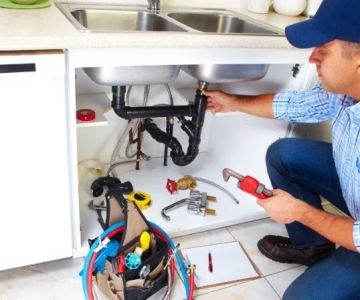
 Guarded Plumbing LLC4.0 (21 reviews)
 J&C Plumbing and Sewer Service, Inc.4.0 (272 reviews)
 Gould Plumbing & Heating4.0 (37 reviews)
 Order A Plumber Inc.5.0 (3 reviews)
 Blanchard Oil Company4.0 (51 reviews)
 Fairfax Electric Plumbing-Gas4.0 (160 reviews)
 Beginner's Guide to Installing a New Toilet: Step-by-Step Tips
 Signs You Need Sewer Line Backups Resolved Immediately
 How to Fix and Unclog a Bathtub Drain Like a Pro
 Step-by-Step Guide to Clogged Drains and How to Fix Them
 Is It Safe to Installing a New Toilet
 How Often Should You Check Low Water Pressure in Your Home