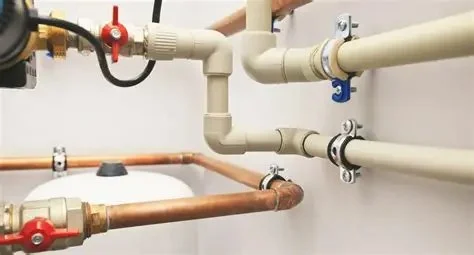
How Much Does It Cost to Replace Old Pipes?
1-Understanding Pipe Replacement
Replacing old pipes in your home can seem like a daunting task, but it is an essential part of maintaining your plumbing system. Over time, pipes can corrode, crack, or become clogged, leading to leaks, poor water pressure, and even water damage. In some cases, replacing old pipes is a necessary step to avoid larger issues down the road.
Knowing when to replace pipes, how much it will cost, and what to expect during the process can help homeowners make informed decisions. Whether you're dealing with galvanized, copper, or PVC pipes, each material may have different costs and replacement timelines.
2-Factors Affecting Pipe Replacement Cost
The cost of replacing old pipes depends on several key factors. Understanding these factors can help you better estimate the potential costs and plan accordingly:
- Type of Pipe Material: The material of your pipes plays a big role in replacement costs. Copper and cast iron pipes tend to be more expensive to replace than PVC or PEX pipes.
- Size of the Job: The number of pipes being replaced and the size of the area will affect the cost. Replacing pipes in a large home or under a slab foundation may require more labor and materials, increasing the price.
- Location of Pipes: Pipes located in difficult-to-reach areas, such as under floors or behind walls, can increase labor costs. The more accessible the pipes are, the lower the labor costs will be.
- Plumbing Permits: Some areas require plumbing permits for major replacements, which can add to the overall cost. Be sure to check with your local municipality to see if permits are needed.
- Labor Costs: The cost of hiring a plumber can vary depending on their experience, location, and the complexity of the job. In general, plumbers charge by the hour or by the job, and labor costs can account for a significant portion of the total cost.
3-Average Cost of Replacing Old Pipes
The average cost of replacing old pipes can range from $1,000 to $4,000, depending on the factors mentioned above. Here's a breakdown of what you can expect:
- Pipe Replacement per Linear Foot: For most homes, replacing pipes typically costs between $50 to $250 per linear foot. The exact price depends on the type of material being used and the complexity of the installation.
- Replacing Entire Plumbing Systems: If you're replacing the entire plumbing system in your home, you can expect to pay anywhere from $2,000 to $15,000. This cost varies based on the size of the house and the materials used.
- Galvanized Steel Pipes: If you have old galvanized steel pipes, replacing them may cost more due to the labor required to remove the old pipes. The cost for replacement can range from $2,000 to $5,000, depending on your home's size.
- PEX and PVC Pipes: If you're replacing pipes with more modern materials like PEX or PVC, you may be looking at a lower cost. PEX pipe replacement can range from $1,000 to $3,000, depending on the extent of the work.
It's important to get a detailed quote from a professional plumber before beginning any work. The cost can vary greatly depending on your location and the specifics of your plumbing system.
4-Hidden Costs in Pipe Replacement
While you may get an initial quote for replacing your old pipes, there can be hidden costs that come up during the project. Here are some common hidden expenses to watch out for:
- Damage to Walls or Floors: Replacing pipes in areas that are difficult to access may require cutting into walls or floors. This can increase the cost of the project as repairs to the damaged areas will be necessary afterward.
- Water Damage Repair: If your old pipes have been leaking, there may be hidden water damage to your home. The cost of repairing any damage to the structure, insulation, or drywall can add to the overall expense.
- Upgrades to Fixtures: If you're replacing pipes in an older home, you may find that some fixtures or connections also need to be upgraded or replaced to meet modern standards, which can add to the cost.
5-When to Consider Replacing Your Pipes
It’s not always easy to know when to replace your pipes, but there are some key signs that indicate it’s time for an upgrade:
- Frequent Leaks: If you’re dealing with repeated leaks or pipe bursts, it may be a sign that your pipes are deteriorating and need to be replaced.
- Low Water Pressure: Consistently low water pressure could be a sign of clogged or damaged pipes that need replacing.
- Discolored Water: If your water is brown or discolored, it could indicate rust or sediment buildup in the pipes, a sign that they may need to be replaced soon.
- Old Plumbing System: If you have an older home with outdated plumbing, it may be time to replace your pipes before they start causing serious problems.
6-Where to Find Pipe Replacement Services
If you’re looking to replace old pipes in your home, it’s essential to hire a qualified plumber. For reliable pipe replacement services, visit PlumberNear to find the best plumbers in your area. We provide expert recommendations and top-notch service for all your plumbing needs, ensuring your pipes are replaced correctly and efficiently.



 Guarded Plumbing LLC4.0 (21 reviews)
 J&C Plumbing and Sewer Service, Inc.4.0 (272 reviews)
 Gould Plumbing & Heating4.0 (37 reviews)
 Order A Plumber Inc.5.0 (3 reviews)
 Blanchard Oil Company4.0 (51 reviews)
 Fairfax Electric Plumbing-Gas4.0 (160 reviews)
 Beginner's Guide to Installing a New Toilet: Step-by-Step Tips
 Signs You Need Sewer Line Backups Resolved Immediately
 How to Fix and Unclog a Bathtub Drain Like a Pro
 Step-by-Step Guide to Clogged Drains and How to Fix Them
 Is It Safe to Installing a New Toilet
 How Often Should You Check Low Water Pressure in Your Home