
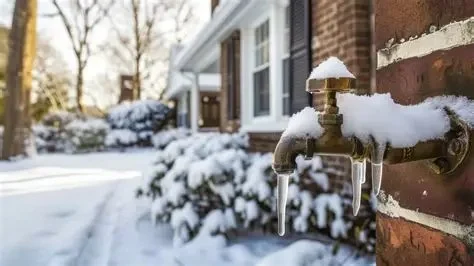
- understanding-winter-plumbing-risks - Understanding Winter Plumbing Risks
- step-1-insulate-pipes-in-exposed-areas - Step 1: Insulate Pipes in Exposed Areas
- step-2-keep-your-indoor-temperature-consistent - Step 2: Keep Your Indoor Temperature Consistent
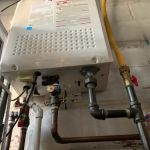
- step-3-maintain-your-water-heater - Step 3: Maintain Your Water Heater
- step-4-drain-outdoor-hoses-and-shut-off-outside-valves - Step 4: Drain Outdoor Hoses and Shut Off Outside Valves
- step-5-let-faucets-drip-in-extreme-cold - Step 5: Let Faucets Drip in Extreme Cold
- real-case-how-a-frozen-pipe-cost-3000-in-damage - Real Case: How a Frozen Pipe Cost $3,000 in Damage
- when-to-call-a-professional - When to Call a Professional
- get-expert-help-from-plumbernear - Get Expert Help from PlumberNear
1. Understanding Winter Plumbing Risks
Each winter, thousands of American households face plumbing emergencies—many of which are preventable. Frozen pipes, cracked fittings, or backed-up sewer lines can turn your warm home into a costly mess. Following a step-by-step guide to preventing winter plumbing issues can save you stress, time, and money.
Sewer Xpress Corp / pipe xpress inc
Eastampton TownshipBurlington CountyNew Jersey
649 Powell Rd, Eastampton Township, NJ 08060, USA
2. Step 1: Insulate Pipes in Exposed Areas
Pipes located in attics, garages, basements, and exterior walls are most vulnerable to freezing. Insulating them with foam tubing or heat tape is an effective way to keep the temperature above freezing.
If you’re unsure which areas are at highest risk, a licensed plumber can perform a thermal inspection to pinpoint cold zones before winter strikes.
Mike the Plumber / mike the plumber
1545 Ocean Ave A3, Bohemia, NY 11716, USA
3. Step 2: Keep Your Indoor Temperature Consistent
Many homeowners try to save on heating bills by turning down thermostats overnight. However, even a few hours of cold can drop wall cavity temperatures dramatically. Keep your indoor temperature at a steady 55°F or above, even when you're away from home.
Use smart thermostats to help balance comfort and efficiency. It’s an investment that can pay off by preventing burst pipes.
4. Step 3: Maintain Your Water Heater
Winter plumbing issues often start with an overworked water heater. Sediment buildup can reduce efficiency and increase the chance of breakdowns. Flush your water heater at least once a year and ensure it’s properly insulated with a heater blanket.
If your heater is older than 8–10 years, consider having it inspected or replaced. Nothing says “holiday panic” like losing hot water during a snowstorm.
5. Step 4: Drain Outdoor Hoses and Shut Off Outside Valves
One of the simplest, most overlooked winterization steps: disconnect and drain your garden hoses. Water left inside can freeze and push ice back into the pipe, causing ruptures. Also, shut off and drain outdoor spigots using the indoor shutoff valve.
If your home doesn’t have frost-proof hose bibs, upgrading now can prevent major headaches when temperatures dip.
6. Step 5: Let Faucets Drip in Extreme Cold
During Arctic blasts, letting a faucet drip slightly helps relieve pressure in the pipes. This is especially helpful for plumbing that runs along exterior walls. A small trickle can prevent a total freeze and burst.
Be sure to open cabinet doors under sinks to allow warm air to circulate around pipes.
7. Real Case: How a Frozen Pipe Cost $3,000 in Damage
In upstate New York, a family returned from a weekend ski trip to find their kitchen flooded. The culprit? A pipe inside the wall had frozen and burst while the heat was off. Repairing the plumbing cost $900—but the floor replacement and drywall repairs added another $2,100.
A simple smart thermostat and pipe insulation could have prevented this entirely.
8. When to Call a Professional
If your pipes are frozen, don’t attempt to thaw them with open flames or DIY heat guns. This is dangerous and could result in fire hazards. Instead, contact a certified plumber, especially if you suspect a crack or can't locate the blockage.
Also, if your water pressure drops suddenly in cold weather, it’s a red flag—get it checked immediately.
9. Get Expert Help from PlumberNear
Winter plumbing problems don’t have to catch you off guard. At PlumberNear, we connect homeowners across the U.S. with top-rated plumbing professionals who specialize in winterization, emergency repairs, and system upgrades.
Whether you’re prepping your pipes for the first frost or dealing with a late-night leak, PlumberNear helps you find the right local expert fast—before minor issues become major damage.
 Guarded Plumbing LLC4.0 (21 reviews)
 J&C Plumbing and Sewer Service, Inc.4.0 (272 reviews)
 Gould Plumbing & Heating4.0 (37 reviews)
 Order A Plumber Inc.5.0 (3 reviews)
 Blanchard Oil Company4.0 (51 reviews)
 Fairfax Electric Plumbing-Gas4.0 (160 reviews)
 Beginner's Guide to Installing a New Toilet: Step-by-Step Tips
 Signs You Need Sewer Line Backups Resolved Immediately
 How to Fix and Unclog a Bathtub Drain Like a Pro
 Step-by-Step Guide to Clogged Drains and How to Fix Them
 Is It Safe to Installing a New Toilet
 How Often Should You Check Low Water Pressure in Your Home