
- Why Winter Is Challenging for Plumbing
- Common Winter Plumbing Problems
- Tips for Preventing Frozen Pipes
- Insulation and Maintenance for Plumbing
- When to Call a Professional Plumber
Why Winter Is Challenging for Plumbing
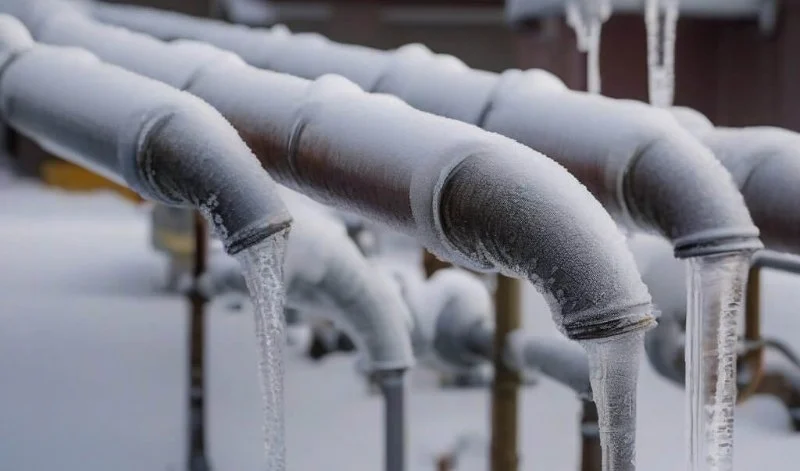
Winter brings about a unique set of challenges for homeowners, particularly when it comes to plumbing. As temperatures drop, plumbing systems become more vulnerable to freezing and damage. Pipes that are exposed to cold air, such as those in attics, basements, and crawlspaces, are especially at risk. When water freezes inside these pipes, it expands, often leading to cracks or bursts that can cause significant water damage once the pipes thaw.
Moreover, winter storms can bring heavy snowfall, ice, and fluctuating temperatures, further exacerbating plumbing issues. Without proper precautions, these challenges can lead to costly repairs, inconvenient water outages, and potential property damage. Understanding the risks and taking proactive steps can save you time, stress, and money throughout the cold months.
JetBlast Inc. Water Blasting Sewer & Drain Cleaning / jet blast drain cleaning
BaltimoreAnne Arundel CountyMaryland
6800 Fort Smallwood Rd, Baltimore, MD 21226, USA
Common Winter Plumbing Problems
Several plumbing issues commonly arise during winter, and it’s essential to be aware of them to mitigate risks. Here are some of the most frequent winter plumbing problems homeowners face:
- Frozen Pipes: As mentioned, when the temperature drops, water inside pipes can freeze. This expansion can cause pipes to crack or burst, leading to water damage and expensive repairs.
- Clogged Gutters: Ice and snow can accumulate in gutters, preventing proper drainage and causing water to back up into the home. This can lead to leaks, mold, and structural damage.
- Frozen Water Supply Lines: If your water supply lines are not properly insulated, they can freeze and block the flow of water. This is particularly common in outdoor spigots, sprinkler systems, and exposed pipes.
- Leaking or Broken Seals: Winter temperatures can cause seals around pipes and fixtures to break, leading to slow leaks and water damage over time.
- Water Heater Issues: The cold weather can put extra stress on water heaters, leading to malfunctioning units or insufficient hot water supply during high demand times.
Tips for Preventing Frozen Pipes
One of the most critical winter plumbing issues is frozen pipes, which can be costly to repair. Here are some essential tips to help prevent frozen pipes and ensure your plumbing system remains intact:
- Insulate Exposed Pipes: Insulating your pipes, especially those in unheated areas like attics, basements, and garages, is one of the most effective ways to prevent freezing. Use foam pipe insulation or heat tape to keep pipes warm during freezing temperatures.
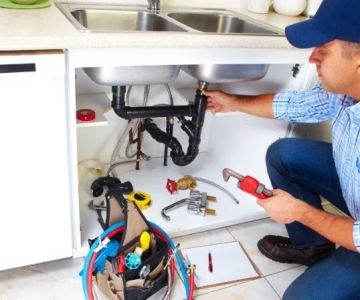
- Open Cabinet Doors: During extreme cold, open the cabinet doors under sinks to allow warmer air to circulate around the pipes. This is particularly important for pipes located along exterior walls.
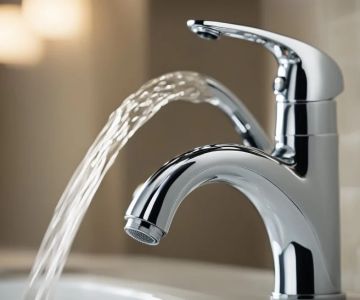
- Let Faucets Drip: Letting your faucets drip slightly when temperatures are extremely cold helps prevent pressure from building up inside pipes, reducing the risk of freezing.
- Seal Gaps and Cracks: Seal any gaps or cracks in walls, windows, or doors near pipes to prevent cold air from reaching them. This will help maintain a stable temperature around the pipes.
- Keep the Heat On: If you're leaving your home for an extended period, ensure the thermostat is set to at least 55°F (13°C) to prevent the temperature from dropping too low and causing pipes to freeze.
Insulation and Maintenance for Plumbing
Proper insulation and regular maintenance are key to preventing winter plumbing issues. Here’s how you can maintain your plumbing system to ensure it withstands the cold:
- Regular Pipe Inspections: Before winter sets in, schedule a professional plumbing inspection to check for any vulnerable or outdated pipes that may need reinforcement or insulation.
- Maintain Water Heater Efficiency: Consider having your water heater serviced before winter. A well-maintained heater is more efficient and better able to handle increased demand during colder months.
- Flush Your Water Heater: Sediment buildup can affect your water heater’s performance. Flushing your water heater annually can extend its lifespan and improve its efficiency.
- Check for Leaks: Regularly inspect your plumbing fixtures, such as faucets and showerheads, for leaks. Even small leaks can be a sign of larger problems or worsen over time in freezing conditions.
When to Call a Professional Plumber
While there are many preventative measures you can take on your own, sometimes you need a professional plumber to help manage more complex plumbing issues. Here are some situations when it's best to call an expert:
- Frozen Pipes: If you suspect a pipe has frozen, contact a plumber immediately. Attempting to thaw a frozen pipe without the proper tools can cause more damage.
- Major Leaks or Burst Pipes: If you experience a major leak or burst pipe, professional plumbers have the tools and expertise to stop the water flow quickly and prevent further damage.
- Water Heater Failures: If your water heater is malfunctioning or you’re not getting enough hot water, a plumber can repair or replace it to ensure you have reliable access to hot water during the winter months.
- Clogged Drains: If your drains are clogged and plunging doesn't resolve the issue, a plumber can clear the blockage safely and efficiently.
For all your winter plumbing needs, visit PlumberNear for expert services and resources designed to keep your home’s plumbing in top shape throughout the cold months.
 Guarded Plumbing LLC4.0 (21 reviews)
 J&C Plumbing and Sewer Service, Inc.4.0 (272 reviews)
 Gould Plumbing & Heating4.0 (37 reviews)
 Order A Plumber Inc.5.0 (3 reviews)
 Blanchard Oil Company4.0 (51 reviews)
 Fairfax Electric Plumbing-Gas4.0 (160 reviews)
 Beginner's Guide to Installing a New Toilet: Step-by-Step Tips
 Signs You Need Sewer Line Backups Resolved Immediately
 How to Fix and Unclog a Bathtub Drain Like a Pro
 Step-by-Step Guide to Clogged Drains and How to Fix Them
 Is It Safe to Installing a New Toilet
 How Often Should You Check Low Water Pressure in Your Home