
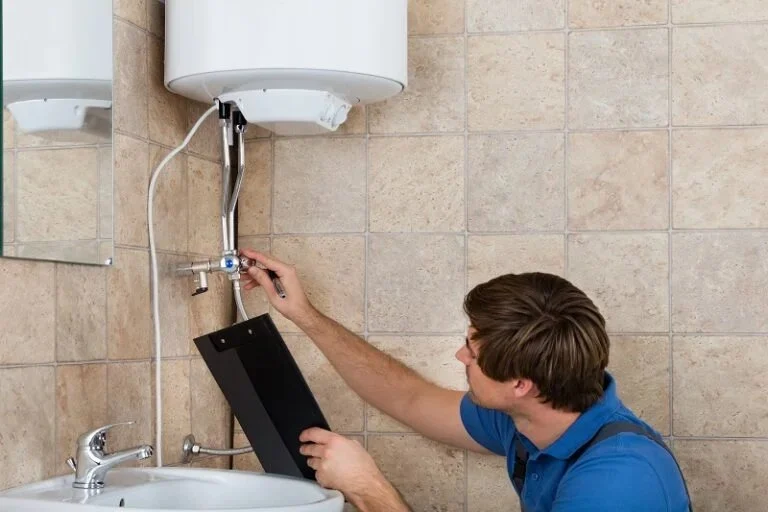
Is It Safe to Use a Broken Water Heater?
- 1- Understanding Water Heater Damage
- 2- Signs of a Broken Water Heater
- 3- Risks of Using a Damaged Water Heater
- 4- Steps to Take When Your Water Heater Is Broken
- 5- How to Prevent Water Heater Breakdowns
1- Understanding Water Heater Damage
A water heater is a critical appliance in your home, providing hot water for daily activities like bathing, cooking, and cleaning. However, just like any other appliance, water heaters can suffer damage over time. The issue may arise from normal wear and tear, improper installation, or issues like corrosion. If your water heater is broken or malfunctioning, it's essential to understand the type of damage it has sustained before deciding whether it's safe to continue using it.
2- Signs of a Broken Water Heater
Before jumping to conclusions, it’s important to identify the signs of a broken water heater. If you're experiencing any of the following issues, it may be time to address your water heater:
- No Hot Water: If your water heater isn't providing hot water, there could be a problem with the heating element or a thermostat malfunction.
- Strange Noises: Popping or rumbling sounds may indicate sediment buildup at the bottom of the tank, which can affect performance.
- Water Leakage: Any water leakage around the heater could indicate corrosion or a ruptured tank, which could cause more significant damage over time.
- Discolored Water: If the water appears rusty or brown, this could indicate corrosion in the tank or pipes.
3- Risks of Using a Damaged Water Heater
Using a damaged or broken water heater can lead to several risks, including:
- Water Damage: A leaking water heater can cause significant water damage to your home, including mold growth and damage to floors and walls.
- Electric Shock: If there is a problem with the electrical wiring or a malfunction in the water heater, there is a risk of electrical shock.
- Fire Hazard: In some cases, a faulty water heater can cause overheating, creating a fire hazard, especially if there's a gas leak or electrical malfunction.
- Increased Energy Costs: A malfunctioning water heater may struggle to heat water effectively, leading to higher energy bills as it works harder to meet demand.
4- Steps to Take When Your Water Heater Is Broken
If your water heater is broken or showing signs of damage, it's important to take immediate action to avoid further issues. Here are the steps to follow:
- Turn Off the Power: If it's an electric water heater, turn off the power at the circuit breaker to prevent electrical hazards. If it's a gas water heater, turn off the gas supply.
- Shut Off the Water Supply: Turn off the water supply to prevent further leakage or flooding.
- Call a Professional: Contact a certified plumber to inspect the water heater, identify the problem, and recommend repairs or replacement. A professional will have the tools and expertise to safely fix the issue.
- Consider Replacement: If the damage is severe or the water heater is old, it might be more cost-effective to replace it rather than repair it.
5- How to Prevent Water Heater Breakdowns
Regular maintenance is key to ensuring the longevity of your water heater and preventing breakdowns. Here are a few tips to keep your water heater in top shape:
- Annual Inspections: Have your water heater inspected yearly to catch any issues early before they become major problems.
- Flush the Tank: Regularly flush the tank to remove sediment buildup, which can affect performance and cause overheating.
- Check for Leaks: Inspect your water heater regularly for signs of leaks or rust. Addressing small issues quickly can prevent costly repairs later on.
- Install a Water Softener: If you live in an area with hard water, consider installing a water softener to reduce mineral buildup inside the tank.
 Guarded Plumbing LLC4.0 (21 reviews)
 J&C Plumbing and Sewer Service, Inc.4.0 (272 reviews)
 Gould Plumbing & Heating4.0 (37 reviews)
 Order A Plumber Inc.5.0 (3 reviews)
 Blanchard Oil Company4.0 (51 reviews)
 Fairfax Electric Plumbing-Gas4.0 (160 reviews)
 Beginner's Guide to Installing a New Toilet: Step-by-Step Tips
 Signs You Need Sewer Line Backups Resolved Immediately
 How to Fix and Unclog a Bathtub Drain Like a Pro
 Step-by-Step Guide to Clogged Drains and How to Fix Them
 Is It Safe to Installing a New Toilet
 How Often Should You Check Low Water Pressure in Your Home